
Blooming
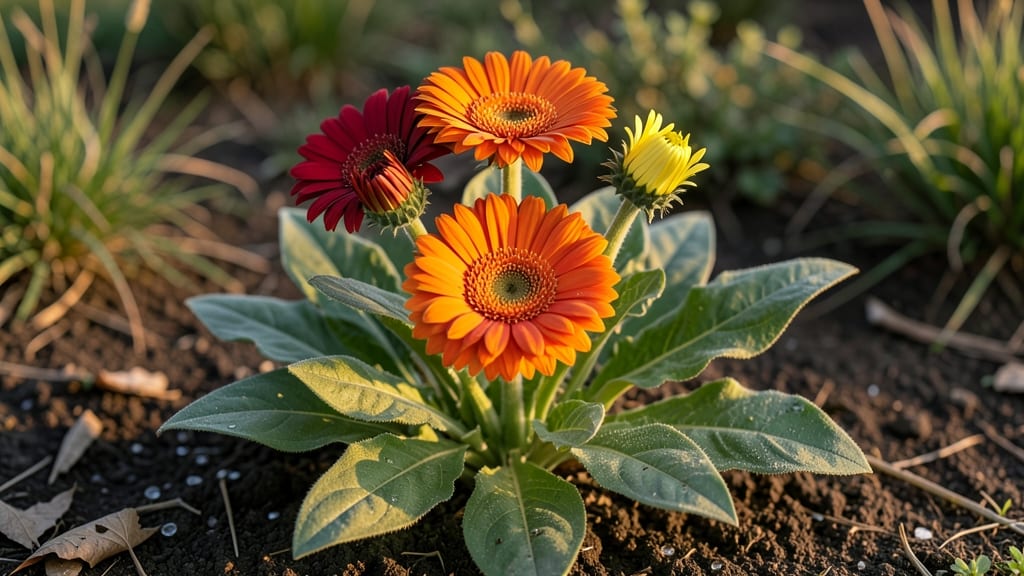
Gerbera daisies do not bloom continuously all summer—they produce vibrant flowers in cycles, typically reblooming every 4-6 weeks with proper care, but extreme heat (above 85°F) or drought can stunt or halt flowering entirely.
Gerbera daisies follow a natural flowering rhythm tied to temperature and daylight cues. 🌞 Unlike some perennials, they enter brief rest periods even in ideal conditions, which is why you might see gaps in blooms.
The key to maximizing their summer display is maintaining consistent moisture (about 1 inch per week) and providing afternoon shade during heatwaves. I've found that mulching helps regulate soil temperature, which can make a noticeable difference in reblooming frequency.
What many gardeners overlook is how stress triggers dormancy—even well-watered plants may pause flowering if nighttime temperatures stay above 75°F for extended periods. The good news? With proper care, you can coax multiple bloom cycles throughout the growing season, though the intensity often dims as summer progresses toward fall.
💡 In This Article
- Gerbera Daisy Heat Tolerance and Flowering Cycles
- Extending Gerbera Bloom Seasons with Care Tips
Gerbera daisy heat tolerance and flowering cycles
Gerbera daisies thrive in 60-75°F daytime temperatures, but their flowering mechanism shuts down when heat exceeds 85°F for more than 3-4 days. This isn't just wilting—it's a biological response where ethylene gas production (a natural plant hormone) spikes under stress, triggering premature bud drop.
The plant essentially goes into survival mode, redirecting energy to root growth rather than flower production. 🌡️
Their blooming cycles follow a photoperiod response: shorter days (below 12 hours of sunlight) signal the plant to conserve energy, while longer summer days should theoretically encourage continuous flowering. However, the heat threshold becomes the limiting factor.
Studies show that gerberas exposed to 90°F+ temperatures for 7+ days often enter a 2-3 week dormancy period, even with perfect watering. This is why you might see lush foliage but no blooms during heatwaves.
The reblooming cycle works like this: After a flowering flush (typically 4-6 weeks of continuous blooms), the plant enters a 10-14 day rest period where it builds energy reserves. This cycle repeats 3-5 times per season under ideal conditions.
The key difference between summer and fall blooming is that cooler nights (60-65°F) help reset the plant's hormonal balance, allowing for more consistent reblooming as temperatures drop.
Color variation actually indicates stress levels—darker red or orange blooms often appear when plants are slightly water-stressed, while pale yellow flowers signal heat exhaustion.
The 1-2 inch diameter buds you see forming are particularly sensitive to temperature swings; if daytime highs exceed 80°F while nights drop below 55°F, buds may fail to open properly, a condition called "bud blast."
Gerberas also exhibit a fascinating root temperature sensitivity: soil temps above 78°F can disrupt nutrient uptake, even if air temps are optimal. This is why mulching with 2-3 inches of organic matter helps maintain root-zone temperatures within the 65-75°F ideal range.
The roots' ability to absorb water and nutrients directly impacts how quickly the plant recovers from heat stress and resumes blooming.
What's often misunderstood is that gerberas don't "run out" of blooms—they simply pause production when stressed. The plant's energy allocation shifts dramatically: under 90°F+ conditions, up to 60% of photosynthetic energy goes to root and stem growth instead of flower development.
This is why you might see vigorous foliage growth during heatwaves but no new blooms appearing.
For gardeners in hot climates, understanding this cycle means planning for 2-3 bloom cycles per summer rather than expecting continuous flowers. The first cycle typically produces the most vibrant blooms, with subsequent cycles showing slightly smaller flowers as the plant's energy reserves deplete.
This natural progression is why professional growers often replace gerbera plants mid-summer to maintain display quality.