
Blooming
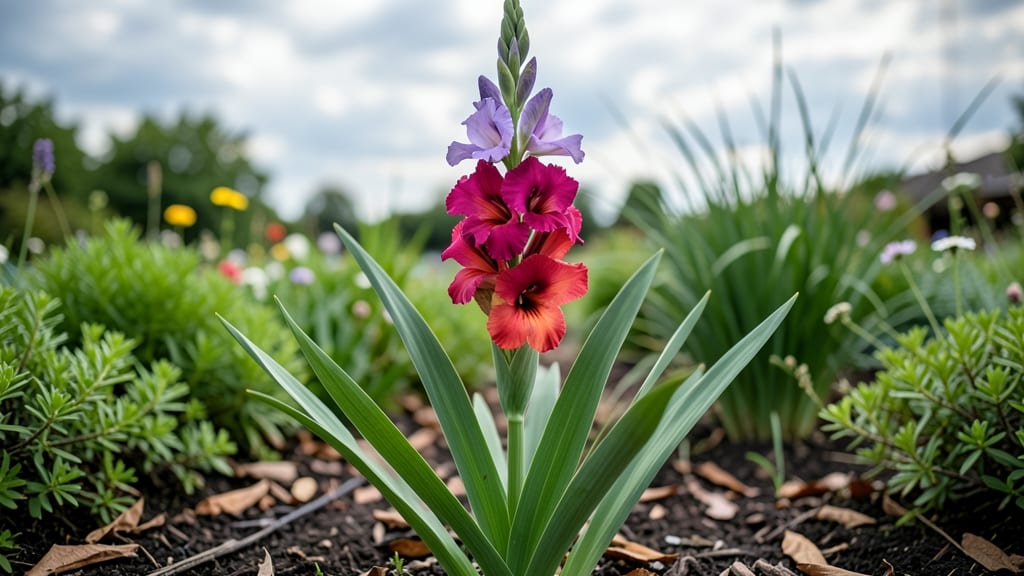
Gladiolus don't bloom all summer naturally—they produce one spectacular flower spike per growing season, though certain varieties can rebloom with the right care. Their flowering lasts about 2-3 weeks per stalk, and encouraging repeat blooms requires precise timing and maintenance.
Gladiolus follow a biological rhythm where they allocate most of their energy to producing that single dramatic spike. 🌸 The plant stores energy in its corm (the bulb-like root) during dormancy, then directs it all toward flowering when conditions are optimal.
This is why you typically see just one showstopper bloom per season—it's not a limitation, but rather how the plant conserves resources. Some tropical varieties might produce secondary spikes if given consistent warmth and proper care, but this isn't the norm for most garden gladiolus.
What's interesting is how light triggers this behavior. Gladiolus need full sun exposure (6-8 hours daily) to initiate flowering, but too much heat can actually shorten their bloom time.
The key to potentially extending their display is removing spent blooms (deadheading) immediately after they fade—this prevents the plant from setting seed and redirects energy toward new growth.
I've found that varieties like 'Green Star' or 'Pink Parfait' sometimes surprise gardeners with second blooms if you maintain consistent moisture and feed them with a balanced fertilizer every 4-6 weeks.
💡 In This Article
- Why Gladiolus Bloom Once Per Season
- How to Encourage Gladiolus Reblooming
Why gladiolus bloom once per season
Gladiolus follow a biological strategy where they invest nearly all their stored energy into producing that single, dramatic flower spike. This energy comes from the corm—a thick, underground storage organ that acts like a bulb, storing nutrients during dormancy.
When spring arrives, the corm directs these reserves toward developing the flower stalk, leaving little energy for multiple blooms. Think of it like a marathon runner who gives everything in one final sprint rather than spreading energy across multiple races.
The plant's flowering cycle is tightly linked to photoperiod—the length of daylight it receives. Gladiolus need 12-14 hours of daylight to trigger flowering, but once they bloom, the plant enters a period where it prioritizes seed production over new flowers.
This is why you'll often see the lower buds on the stalk opening first—they're the plant's way of ensuring at least some seeds are produced, even if the upper buds don't fully develop.
The process is similar to how daylilies or cannas allocate their energy, though gladiolus are more extreme in their single-bloom commitment.
Seasonal dormancy plays a crucial role too. After blooming, gladiolus enter a natural decline where the foliage yellows and dies back. This isn't just wilting—it's the plant's way of signaling the corm to conserve energy for next year's growth.
During this time, the corm replenishes its stores through photosynthesis in the remaining leaves, but it won't produce another flower spike until the following season unless you intervene with specific care techniques. 🌱 What's fascinating is how this dormancy period varies by variety—some tropical types might attempt secondary blooms if kept in warm conditions, but most temperate varieties strictly adhere to the one-bloom-per-season rule.
The science behind this involves plant hormones, particularly gibberellins and auxins. These compounds regulate growth and flowering, with gibberellins promoting stem elongation and auxins inhibiting side shoots. After the main bloom, auxin levels rise in the remaining buds, preventing them from developing into new flowers.
This hormonal shift explains why even if you have multiple buds on a stalk, only the lower ones typically open fully. The plant's entire system is geared toward maximizing the success of that single flowering event rather than spreading energy thinly across multiple attempts.
Light exposure also creates a feedback loop. While gladiolus need full sun to bloom, too much intense sunlight during the flowering phase can actually shorten their bloom time.
The plant perceives prolonged high light as a signal to conserve water and energy, which can cause buds to open more quickly and then fade.
This is why gardeners in hot climates often see shorter bloom cycles—what appears to be a "failure" to bloom all summer is actually the plant responding to environmental cues.
The key is finding that sweet spot where the plant gets enough light to trigger flowering but not so much that it accelerates the blooming process.
Consider this: a gladiolus corm might weigh between 1-3 ounces when mature, and that entire weight is essentially a concentrated energy reserve. When you see that dramatic flower spike rising from the ground, remember it's the result of months of careful energy storage and allocation.
The plant isn't being stingy—it's following an evolutionary strategy that ensures at least some reproductive success each year, even if it means waiting until the following season for another attempt at blooming.