
Blooming
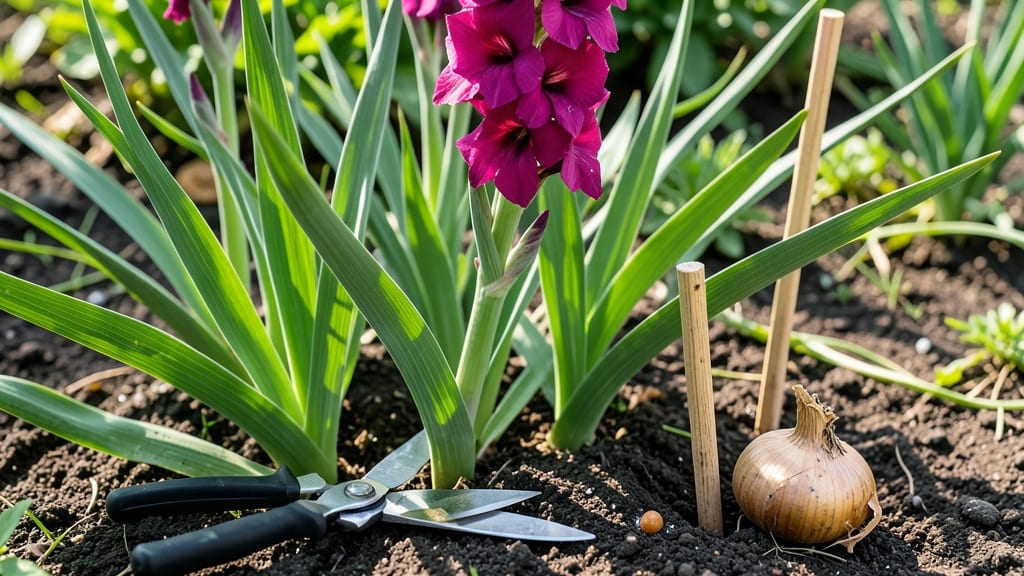
Gladiolus do bloom more than once only when you deadhead spent blooms and provide consistent seasonal care, though their single-stem nature makes repeat flowering rare. Most varieties produce just one flower spike per season unless given ideal conditions, and even then, they're often treated as annuals. Proper bulb storage over winter is key to extending their blooming lifespan for future years.
Gladiolus plants put nearly all their energy into that dramatic single spike of blooms, which is why they rarely produce more than once in a season. 🌸 The key to encouraging a second round of flowers lies in removing spent blooms promptly—this redirects energy back to the bulb rather than seed production.
I've found that in warmer climates, where growing seasons stretch longer, gladiolus might surprise you with a second bloom if you maintain consistent watering and fertilizing.
However, most gardeners in cooler regions focus on preserving the bulbs through winter dormancy, as this is the real secret to getting vibrant blooms year after year.
What many people don't realize is that gladiolus bulbs are actually perennial, but their blooming habits often make them function like annuals. The difference comes down to care: if you treat them as perennials with proper deadheading, winter mulching, and spring feeding, you'll see stronger blooms in subsequent seasons.
I recommend using a balanced fertilizer after the first bloom cycle to give the plant the nutrients it needs for potential reblooming.
💡 In This Article
- Gladiolus Flowering Biology: Why Most Bloom Once
- Deadheading and Care Tips for Encouraging Repeat Gladiolus Blooms
Gladiolus flowering biology: why most bloom once
The gladiolus's single-bloom habit stems from its energy allocation strategy. Each bulb produces just one flower spike per growing season, directing nearly all its resources into developing that dramatic vertical display of blooms.
This is a survival mechanism—gladiolus bulbs store nutrients underground during dormancy and prioritize reproductive growth when conditions are optimal. 🌱 The plant's growth cycle follows a strict pattern: foliage emerges in spring, the flower spike develops, blooms open sequentially from bottom to top, and then the plant prepares for dormancy.
Light and temperature play crucial roles in this process. Gladiolus require 6-8 hours of full sun daily to trigger flowering, and temperatures between 60-75°F during active growth. When days shorten in late summer, the plant senses it's time to shift energy toward bulb storage rather than new growth.
This biological clock explains why most varieties bloom just once—after the initial spike, the plant's focus shifts to preserving the bulb for next season. In contrast, true perennials like daylilies produce multiple blooms because they maintain active growth throughout the season.
The single-spike nature also ties to the plant's evolutionary adaptation. Each bloom contains both male and female parts, and the plant invests heavily in seed production after flowering.
This means that if you don't deadhead (remove spent blooms), the gladiolus will redirect energy toward seed development rather than potential future blooms. The trade-off is clear: vibrant, abundant flowers now or seed production for next season's growth.
This is why gardeners in USDA zones 8-10 sometimes see second blooms—the longer growing season allows the plant to recover and attempt another spike.
What's fascinating is how gladiolus bulbs store energy. Unlike annuals that die back completely, gladiolus bulbs remain dormant but alive underground, storing starches and sugars. When properly cared for—especially through winter—they can produce even more dramatic blooms in subsequent years.
This is why many gardeners treat them as perennials despite their single-bloom habit. The key difference from true annuals is that gladiolus bulbs can survive multiple seasons if given proper dormancy conditions, including protection from freezing temperatures and consistent moisture during active growth.
Consider this comparison: A typical annual like marigold produces multiple blooms throughout its lifecycle because it doesn't need to preserve energy for future seasons. Gladiolus, however, must balance immediate flowering with long-term bulb preservation.
This biological duality explains why they're often grown as annuals in cooler climates—the energy required for multiple blooms would compromise bulb health. In warmer regions, where growing seasons extend, the plant has more opportunity to attempt reblooming after proper care. 🌿