
Blooming
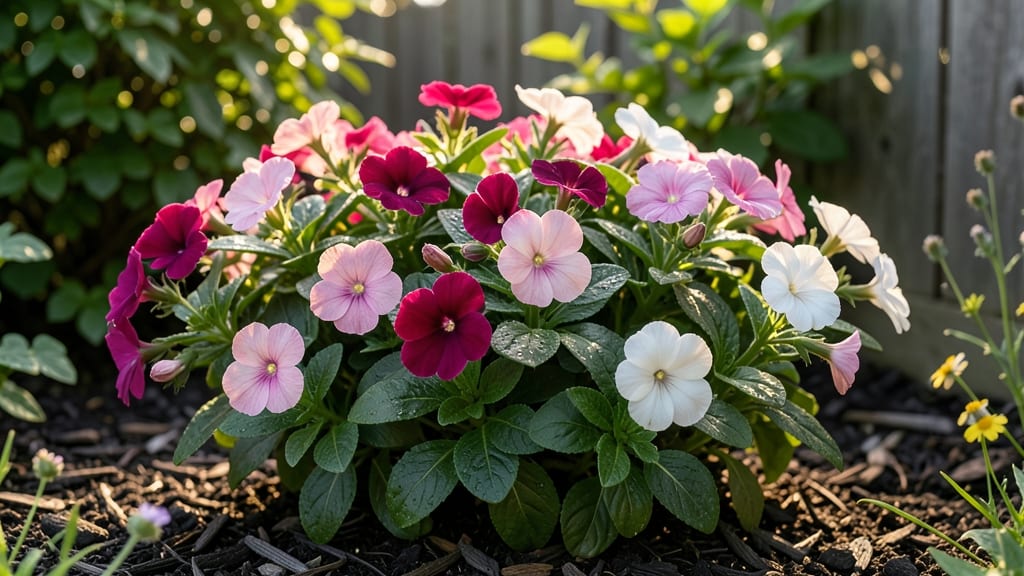
Impatiens bloom all summer in cooler climates but often wilt by mid-summer in hot regions like the South or Southwest. Proper watering and shade can extend their flowering season in warmer areas.
This difference comes down to heat tolerance—impatiens thrive in temperatures below 85°F, while prolonged exposure to 90°F+ causes wilting and premature bloom fading. 🌡️ The plants' delicate petals also burn under direct afternoon sun, which is why partial shade (especially in the hottest climates) keeps them blooming longer.
I've seen New Guinea impatiens handle heat better than traditional varieties, but even they need consistent moisture to prevent stress. Mulching around the base helps retain soil moisture during dry spells, which is critical in regions like Texas or Arizona where summer heat peaks early.
For gardeners in hot zones, the key is adapting care routines: watering in the early morning, using shade cloths, and choosing heat-resistant varieties. These small adjustments can make a big difference in how long your impatiens stay vibrant—sometimes extending their bloom time by 4-6 weeks compared to unprotected plants.
💡 In This Article
- Why Impatiens Fade in Heat: Science Behind Summer Bloom Limits
- Extending Impatiens Bloom Time: Regional Care Strategies
Why impatiens fade in heat: science behind summer bloom limits
Impatiens bloom fade in extreme heat primarily due to a process called heat shock, where temperatures above 85°F disrupt their cellular functions. These plants originate from tropical forests where temperatures rarely exceed 80°F, so prolonged exposure to 90°F+ causes wilting within 2-3 days.
The delicate petals also contain high moisture content, which evaporates rapidly under intense sunlight, leading to crispy edges and premature drop-off. 🌡️
The root system plays a critical role too—when soil temperatures rise above 80°F, beneficial mycorrhizal fungi that help nutrient absorption become less active. This creates a nutrient deficit that weakens the plant's ability to produce new blooms.
In humid climates like the Southeast, high heat combined with low airflow can also promote fungal diseases like powdery mildew, which further stresses the plant and reduces flowering. The key threshold is 75-85°F for optimal blooming; anything hotter triggers physiological stress responses.
Sunlight intensity matters just as much as temperature. Direct afternoon sun (especially between 12 PM and 4 PM) delivers 1,500+ foot-candles of light, which is enough to scorch impatiens' thin leaves.
The plants' natural shade tolerance comes from their forest understory origins, where they evolved to thrive under 30-50% shade. When exposed to full sun, their chlorophyll breaks down faster, turning leaves yellow and halting flower production.
This is why partial shade (even just 30% reduction in sunlight) can extend bloom time by 3-5 weeks in hot regions.
Humidity levels create another layer of complexity. In dry climates like the Southwest, low humidity (20-30%) causes transpiration rates to spike, forcing the plant to expend energy on water retention rather than flower production.
Meanwhile, in humid Southern climates, excess moisture can lead to root rot if drainage isn't adequate. The ideal humidity range for impatiens is 40-60%, which helps maintain turgor pressure in petals and keeps flowers vibrant longer. 💧
What most gardeners don't realize is that impatiens' flowering mechanism is directly tied to their energy balance. When stressed by heat, the plant prioritizes survival over reproduction, diverting resources to root and leaf maintenance.
This energy shift explains why even well-watered impatiens in hot climates may produce fewer blooms—sometimes as little as 30% of their usual output—compared to cooler conditions where they can focus on flower production. The solution lies in creating microclimates that mimic their natural tropical forest environment.
Consider this comparison: In Zone 5 (cool summers), impatiens typically bloom continuously from May through October. But in Zone 9b (hot summers), the same variety may only bloom reliably from March to June without intervention.
The difference comes down to these physiological limits—understanding them helps gardeners make precise adjustments rather than guessing at care routines. 🌿