
Blooming
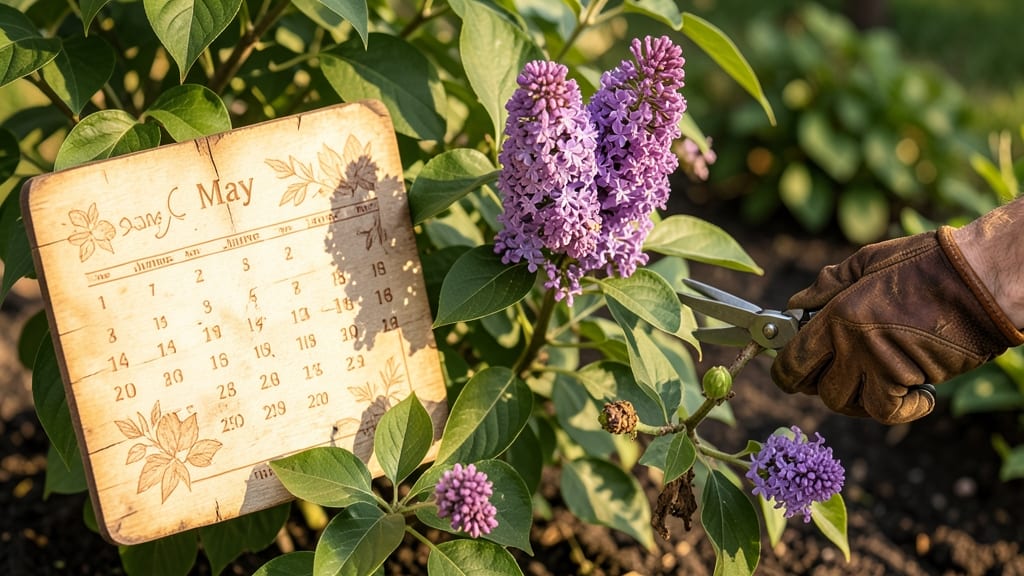
Lilacs do not bloom all summer: most varieties flower once in spring for 1-2 weeks, though reblooming cultivars like 'Bloomerang' or 'Edax' produce sporadic summer blooms under ideal conditions. Proper pruning and care can encourage limited regrowth.
Most lilacs are genetically programmed for a single spring bloom cycle, where they dedicate their energy to producing flowers and then seeds. 🌸 This one-time display happens because the plant prioritizes reproduction over continuous flowering.
However, special reblooming varieties like 'Bloomerang' break this rule by producing smaller, secondary blooms later in the season, though these are never as abundant as the spring show.
The key to encouraging any summer blooms lies in proper pruning—cutting back old wood after the first flush and providing consistent moisture and nutrients.
If you're dreaming of summer lilacs, focus on these reblooming types and give them the right conditions. I've found that mulching around the base helps retain moisture, while a light application of balanced fertilizer after the initial bloom can sometimes trigger a second, smaller round of flowers.
Just don't expect a full summer garden—these are special cases, not the norm.
💡 In This Article
- Lilac Bloom Cycles: Why Most Flower Only Once
- How to Encourage Summer Lilac Blooms with Pruning
Lilac bloom cycles: why most flower only once
Lilacs follow a strict botanical timeline because their energy is hardwired toward reproduction, not continuous blooming. After their spectacular 7-14 day spring display, these deciduous shrubs shift focus to seed production—a process that demands significant metabolic resources.
The flowers develop from buds formed on the previous year's growth, meaning the plant prioritizes one major bloom cycle before entering a dormancy period to conserve energy for winter survival.
The genetic programming behind this cycle is fascinating. Most lilac varieties (like the classic 'Katherine Havemeyer' or 'Mme. Lemoine') produce flowers on old wood—stems that grew in the previous season. Once these stems flower and set seed, they become less productive for future blooms.
This is why you rarely see a second flush unless you're working with reblooming cultivars. The plant's hormonal balance shifts toward seed maturation, leaving little energy for new flower buds to form later in the season. 🌿
Climate plays a surprising role too. Lilacs are native to temperate regions where spring's brief window of 50-60°F nights and 65-75°F days triggers their bloom cycle.
Hotter summers can actually inhibit reblooming by stressing the plant, while cooler summers may allow some secondary growth—but never with the same vigor as spring.
This is why reblooming varieties like 'Bloomerang' are such special cases: they've been selectively bred to produce smaller, secondary flower clusters later in the season, though these rarely match spring's abundance.
Here's what's actually happening in the plant's cells: The first flush of flowers triggers a cascade of hormones, including ethylene, which signals the plant to focus on seed development. Meanwhile, the plant's meristematic cells (growth centers) shift from producing flowers to developing leaves and stems for next year's growth.
This biological trade-off explains why most lilacs put all their floral energy into that one spectacular spring show. 🌸
Even with ideal care, the average lilac shrub won't produce summer blooms because its growth cycle is tied to seasonal cues. The plant's photoperiodism (response to daylight length) and vernalization (cold requirement) create a biological clock that's hardwired for one primary bloom period.
This is why gardeners often see lilacs as "one-hit wonders"—their genetic programming makes continuous blooming biologically inefficient for the species.
For comparison, consider how peonies or roses can rebloom multiple times—a trait achieved through different genetic pathways. Lilacs simply haven't evolved that capability, which is why even the most careful pruning can only encourage limited secondary blooms in reblooming varieties, not transform them into summer-long performers.
The plant's priorities remain firmly rooted in its reproductive strategy. 🌺