
Blooming
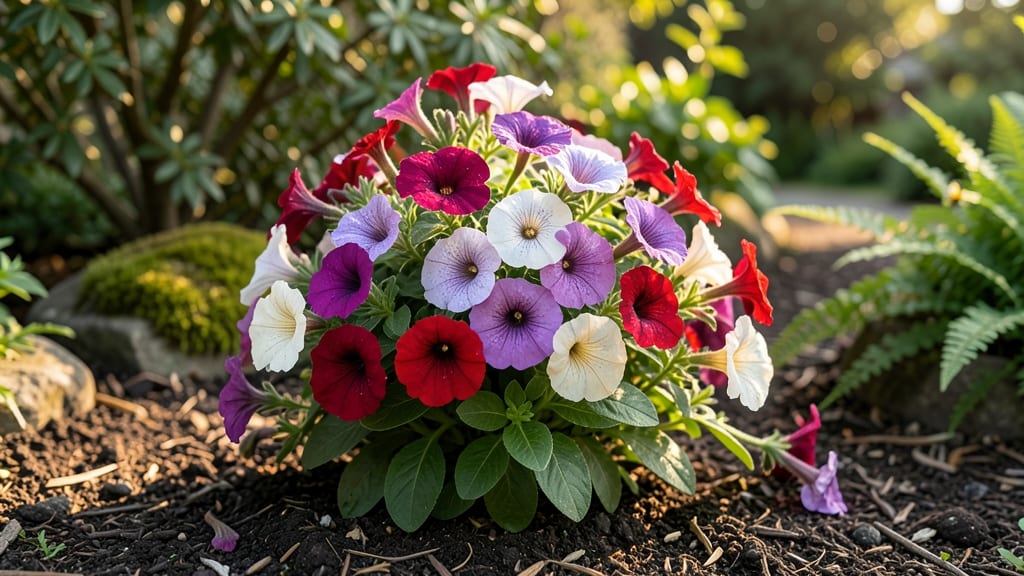
Petunias bloom all summer when given the right conditions, thriving from early June through frost with vibrant flowers, but only if they get full sun exposure, regular watering, and consistent deadheading to keep blooms coming.
Petunias are summer's workhorse flowers, but their continuous blooming depends on three key factors: sunlight, water, and maintenance. 🌸 Unlike some annuals that fade quickly, petunias can keep producing flowers for months when they're planted in well-draining soil and receive at least 6-8 hours of direct sunlight daily.
The secret to their long-lasting display lies in deadheading—removing spent blooms prevents the plant from wasting energy on seed production, redirecting it instead to new flower growth. I've found that checking plants every 2-3 days during peak bloom season makes a noticeable difference in how long they keep flowering.
What many gardeners don't realize is that petunia varieties behave differently. Grandiflora types produce larger blooms but may need more frequent deadheading, while multiflora varieties are more prolific but slightly less heat-tolerant. In hot climates, providing afternoon shade can actually extend their blooming season by preventing stress.
The key is balancing care with the plant's natural rhythms—petunias will bloom until frost, but only if you stay ahead of their needs.
💡 In This Article
- Petunia Blooming Seasons: Climate and Variety Factors
- Deadheading Petunias for Nonstop Summer Flowers
Petunia blooming seasons: climate and variety factors
Petunias thrive in summer because their blooming cycle is directly tied to daylight length and temperature. These annuals are short-day neutral plants, meaning they flower continuously as long as they receive adequate light—typically 6-8 hours of direct sunlight daily.
The magic happens when daytime temperatures stay between 65-75°F, which is why petunias often peak in late spring through summer. Too much heat above 85°F can cause wilting, while cooler nights (50°F) trigger dormancy, signaling the plant to stop flowering.
Different petunia varieties have distinct heat tolerances that affect their blooming duration. Grandiflora types (like 'Dream series') produce larger, showier blooms but may struggle in extreme heat, while multiflora varieties (such as 'Wave' petunias) are more heat-tolerant and compact, making them ideal for southern climates. 🌡️ The key difference lies in their leaf structure: grandifloras have thicker leaves that transpire more slowly, whereas multifloras have smaller leaves that dissipate heat better.
In my experience, multifloras continue blooming even when grandifloras start looking stressed in 90°F+ weather.
Daylight hours play a crucial role too. Petunias need at least 12 hours of light daily to maintain consistent flowering. In northern latitudes where summer days are long, they'll bloom vigorously, but in shorter-day regions, supplemental lighting can extend their season.
What's fascinating is how petunias respond to light intensity: they produce more flowers under bright, direct sunlight but may develop leggy growth if shaded. This is why gardeners in cloudy climates often use reflective mulches or white garden stakes to bounce extra light onto the plants.
Climate also determines when petunias start and stop blooming. In USDA zones 8-10, they often begin flowering in May and continue until first frost in November, while in cooler zones (5-7), expect June to September blooms.
The transition to dormancy happens when nights stay below 50°F for 3+ days, triggering a hormonal shift that stops flower production. Interestingly, some heat-tolerant varieties like 'Supertunia' can push this threshold to 45°F, giving them a slight edge in fall.
Soil temperature matters too—petunias prefer roots in 60-70°F soil. If you're planting in spring, wait until the ground warms up to avoid stunted growth. A quick trick is to press your finger into the soil: if it feels cool to the touch, it's not ready.
Once established, petunias develop deep roots that help them access moisture during dry spells, but they still need 1-1.5 inches of water weekly to prevent bud drop. The balance between heat, light, and water is what keeps them flowering reliably all summer.
What most gardeners overlook is how petunias respond to humidity. In dry climates, they may produce fewer blooms because their energy goes into moisture retention rather than flowering. A light morning watering (before 10 AM) helps maintain that delicate balance.
The result? Petunias that stay vibrant and keep producing those iconic trumpet-shaped blooms from June until frost, as long as you match their care to their natural growing conditions. 🌿