
Blooming
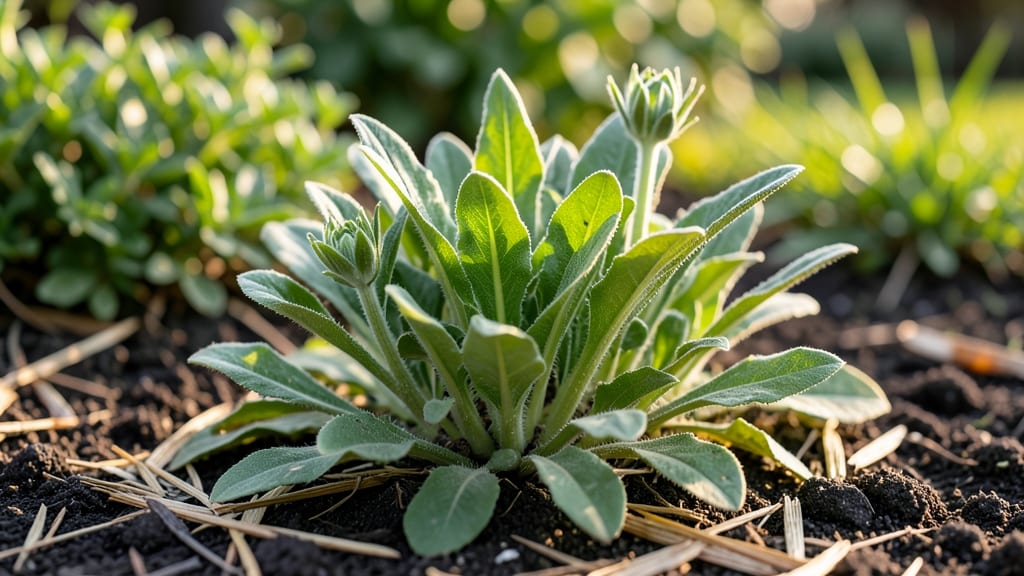
Shasta daisies typically don't bloom in their first year after planting, instead dedicating energy to building a strong root system and lush foliage for a spectacular floral show in their second or third growing season. While some varieties like 'Becky' or 'Alaska' may produce a few scattered blooms early, most gardeners should prepare for peak flowering to arrive later. Consistent care during the first year sets the stage for more abundant blooms in future seasons.
This delayed blooming isn't just common—it's actually a smart survival strategy for Shasta daisies. 🌱 The first year is all about establishing a deep, resilient root network that can support those iconic large blooms later.
Think of it like building a strong foundation before adding the finishing touches to a house. I've found that plants grown from bare-root divisions often take even longer to bloom than container-grown ones, as they're recovering from transplant shock while adapting to their new environment.
The good news is that once they do bloom, they'll often reward you with spectacular displays for years to come.
What many gardeners don't realize is that the care you provide during that first year—like proper watering, balanced fertilization, and strategic pruning—can actually influence how quickly and how vigorously your Shasta daisies will bloom in subsequent years.
For example, giving them a boost of phosphorus-rich fertilizer in early spring can encourage stronger root development, which translates to more blooms down the road. The key is patience combined with consistent, thoughtful maintenance rather than expecting immediate floral rewards.
💡 In This Article
- Why Shasta Daisies Delay Blooming in First Year
- Fast-Tracking Shasta Daisy Blooms: Care Tips for First-Year Plants
Why Shasta daisies delay blooming in first year
Shasta daisies prioritize root development over flowering because their first-year energy is focused on creating a robust underground network. This process, called juvenile phase, is common in many perennials and ensures the plant can survive harsh conditions.
During this stage, roots can grow up to 12-18 inches deep, anchoring the plant while storing nutrients for future blooms. The foliage you see in the first year is essentially the plant's way of photosynthesizing to fuel this underground growth.
The science behind this involves hormonal regulation—specifically, the balance between auxins (which promote root growth) and florigen (the hormone that triggers blooming). In their first year, auxins dominate, suppressing florigen production until the root system reaches a critical mass.
This explains why even well-cared-for plants may produce only 1-2 scattered blooms—if any—during their first season. Varieties like 'Becky' or 'Alaska' might show slightly more blooming because they're bred for earlier maturity, but they still follow this biological rule.
Climate and soil conditions play a major role in this timing. Shasta daisies thrive in USDA Zones 5-9, where cooler springs delay blooming until temperatures stabilize. In warmer zones, they might attempt blooming earlier, but the stress of transplant shock often overrides this impulse.
The plant's survival instinct kicks in, redirecting energy to root establishment rather than reproduction. This is why gardeners in Southern climates sometimes see more first-year blooms—though they're often smaller and less vigorous.
Transplant shock adds another layer to this delay. When you plant a Shasta daisy, its root system is disrupted, triggering a defensive growth response. The plant diverts resources to repair damaged roots and establish new connections with the soil.
This process can take 6-12 months, depending on growing conditions. Even container-grown plants, which have less root disturbance, may take 2-3 years to reach their full blooming potential compared to bare-root divisions.
What's fascinating is how this delayed blooming pays off in subsequent years. Once the root system is established, Shasta daisies can produce 50-100 blooms per plant during peak season, each with 2-4 inch-wide petals.
The trade-off—waiting a year or two—ensures these blooms are larger, more abundant, and longer-lasting than what you'd get from forcing early flowering. It's nature's way of guaranteeing quality over quantity.
For gardeners eager to see blooms sooner, understanding this process is key. While you can't rush the biological timeline, you can optimize growing conditions to minimize delays.
For example, planting in well-draining soil with a pH of 6.0-7.0 and providing 1-2 inches of water weekly during the first year helps the roots establish faster. The secret lies in supporting the plant's natural priorities rather than fighting against them.