
Blooming
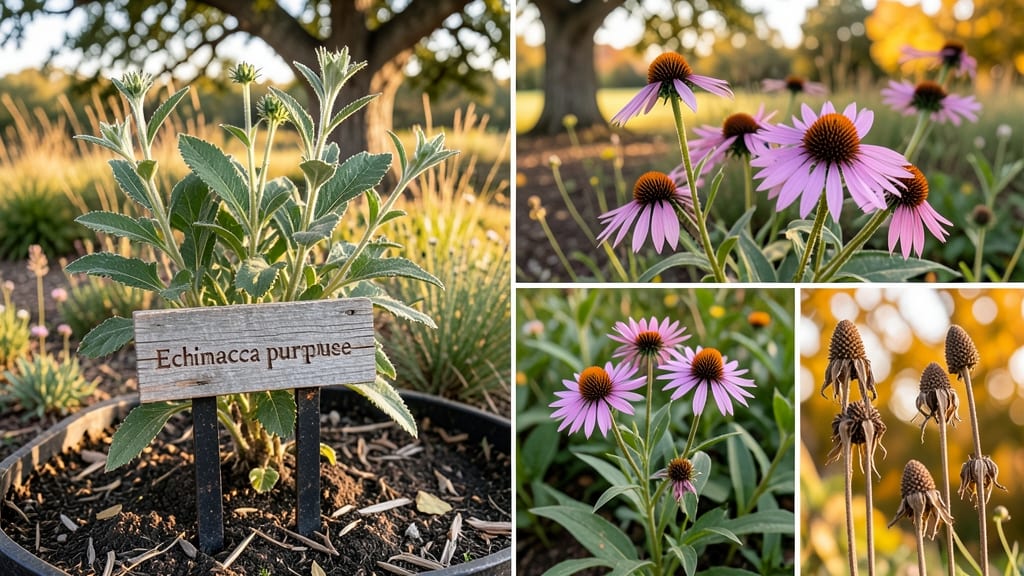
Perennials do bloom every year, though not all flower annually with the same vigor. Many require proper care, seasonal dormancy, and specific conditions to rebloom consistently, while some varieties may skip flowering in their first year or during stress.
Most perennials follow a predictable blooming cycle, but their annual performance depends on whether they're in their maturity phase or dealing with environmental stressors. 🌱 For example, peonies often take 2-3 years to establish strong roots before producing their first flowers, while established plants may skip blooming during drought or nutrient deficiency.
The key difference between annuals and perennials lies in their root systems—perennials store energy underground to fuel future growth, but this process requires consistent care to avoid flowering setbacks.
Even well-established perennials need specific triggers to bloom reliably. Proper deadheading (removing spent flowers) redirects energy to new blooms, while balanced fertilization supports both foliage and flower production.
I've found that dividing overcrowded clumps every 3-4 years gives plants the space they need to rebound with stronger blooms the following season.
Seasonal dormancy plays a crucial role too—many perennials need a period of cold or reduced water to reset their growth cycle. Skipping this rest phase can lead to leggy growth with fewer flowers.
For instance, bearded iris plants often produce their best blooms after a winter dormancy period, while tropical perennials may require dry seasons to trigger flowering.
💡 In This Article
- Why Some Perennials Skip Blooming: Growth Cycles Explained
- How to Encourage Annual Blooming in Perennial Plants
Why some perennials skip blooming: growth cycles explained
Perennials follow a biological growth cycle where flowering isn't automatic—it's a carefully timed energy investment. During their first year or two, many perennials focus on establishing strong root systems rather than producing flowers. This "juvenile phase" can last 1-3 years, depending on the species.
For example, peony roots need 2-3 years to develop enough energy reserves before they'll bloom, while daylilies may take just 1 year but produce fewer flowers in their first bloom cycle.
The plant's energy allocation system is fascinating—it prioritizes survival and expansion before reproduction. When a perennial isn't blooming, about 60-70% of its energy often goes toward root and foliage growth, with only 10-20% allocated to flower production.
This becomes visible when you see lush green growth without any buds. Environmental stressors like drought or poor soil force plants to divert even more energy to survival, delaying or preventing flowering entirely.
Seasonal dormancy is another critical factor in perennial blooming cycles. Many temperate perennials need a period of cold (40-50°F for 4-6 weeks) to trigger flowering hormones. Without this chill period, plants may produce only foliage or weak, sparse blooms.
For instance, bearded iris plants often skip blooming if they don't get proper winter dormancy, while tropical perennials may require a dry season to break dormancy and flower.
Overcrowding creates another common blooming roadblock. When perennial clumps become too dense, individual plants compete for nutrients and sunlight, leading to reduced flowering. This is why dividing perennials every 3-4 years can dramatically improve next year's blooms.
The process of dividing also stimulates new root growth, which directly correlates with stronger flowering potential in subsequent seasons.
Light exposure plays a surprising role too—many perennials need 6-8 hours of direct sunlight daily to trigger flowering. Shade-loving varieties like hostas may produce fewer blooms if given too much sun, while sun-loving perennials like coneflowers will struggle in deep shade.
The plant's internal clock (photoperiodism) detects day length changes, which is why some perennials bloom in spring while others wait for summer or fall.
What most gardeners don't realize is that even well-established perennials can skip blooming during stressful conditions. A single year of nutrient deficiency, pH imbalance, or improper watering can send a plant into survival mode, postponing flowering until conditions improve.
For example, black-eyed Susans may produce only foliage if their soil pH drops below 6.0, while lavender often skips blooming if given too much water during its dormant period.
Understanding these biological mechanisms helps explain why some perennials seem "lazy" about blooming. The good news? With proper care—including the right balance of sunlight, nutrients, and seasonal dormancy—most perennials will reliably produce flowers year after year. 🌸