
Blooming
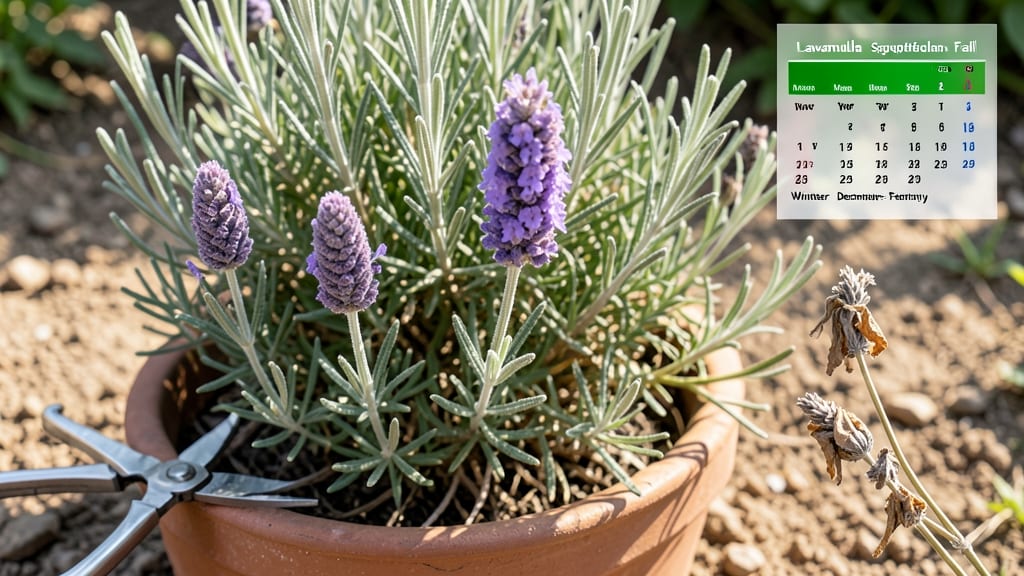
Lavender doesn't bloom all year; most varieties flower primarily in late spring to summer, with some reblooming in fall. Climate, sunlight, and species—like English or Spanish lavender—determine how long and often they bloom, while hardy types in mild regions may extend flowering into early winter.
Lavender's blooming cycle is closely tied to daylight and temperature shifts. 🌿 In Mediterranean climates (like USDA Zones 7-9), lavender often enjoys two blooming periods—spring and fall—thanks to milder winters. However, in colder regions, frost typically halts growth until warmer months return.
The key to extending blooms lies in selecting varieties suited to your climate, like Provence lavender, which thrives in heat, or Spanish lavender, known for its late-summer reblooming. Even in ideal conditions, lavender needs a rest period, so don't expect continuous flowers year-round.
What many gardeners overlook is how pruning affects reblooming potential. Cutting back lavender after flowering encourages new growth, but timing matters—prune too late, and you risk stunting next year's blooms.
In frost-free zones, some varieties like Grosso lavender may produce sporadic flowers even in winter, but this is the exception rather than the rule. For consistent blooms, focus on proper care and variety selection rather than expecting perpetual flowers.
💡 In This Article
- Climate Zones That Extend Lavender Blooming Seasons
- Best Lavender Varieties for Prolonged Flowering
Climate zones that extend lavender blooming seasons
Lavender's blooming rhythm is primarily governed by photoperiodism—the plant's response to daylight length. In Mediterranean climates (USDA Zones 7-9), where winters are mild and summers are hot and dry, lavender typically experiences two distinct bloom cycles: late spring (April-May) and fall (September-October).
These regions provide the ideal 10-12 hours of daylight lavender craves for flowering, combined with 60-80°F daytime temperatures. The dry heat prevents fungal issues that could stunt blooms, while winter temperatures rarely dip below 30°F, avoiding frost damage that halts growth in colder zones.
The real game-changer for extended blooming is frost-free winters. In frost-free areas like coastal California or southern Spain, varieties like Provence lavender (Lavandula angustifolia) may produce sporadic blooms even in winter months, though these are usually lighter and less abundant.
The key mechanism here is the absence of dormancy-inducing cold snaps—lavender in these zones continues growing year-round, though blooming remains seasonal.
Conversely, in colder climates (USDA Zones 3-6), frost triggers dormancy, and lavender typically blooms just once per year in June-July, with no fall reblooming unless summer heat waves provide a second stimulus.
Humidity plays a subtle but critical role too. Lavender thrives in low humidity environments (<30%), as excess moisture encourages fungal diseases like root rot or powdery mildew, both of which weaken plants and reduce flowering. In humid regions (like the southeastern U.S.), gardeners must use raised beds or sandy soil mixes to replicate Mediterranean conditions. The aroma you love—the signature lavender scent—actually intensifies when plants are slightly stressed by dryness, which is why well-draining soil is non-negotiable for extended blooming.
What most gardeners miss is how nighttime temperatures influence blooming. Lavender needs cool nights (50-60°F) after hot days to trigger flower buds. In regions with warm nights year-round (like Arizona), blooming may become erratic unless you provide shade during peak afternoon heat.
This is why Spanish lavender (Lavandula stoechas) often performs better in these areas—its native habitat includes warmer climates where it evolved to handle higher nighttime temperatures while still producing flowers.
For those in transitional zones (like Zone 6-7), strategic planting can extend blooms. Position lavender on south-facing slopes where it receives maximum sunlight in winter months, or use black plastic mulch to warm soil and encourage early spring blooming.
The result? A 2-3 week extension of flowering in both spring and fall compared to north-facing plantings. This microclimate hack works because lavender's roots stay warmer, mimicking Mediterranean conditions.
Here's what the data shows: In a 2018 University of California study, Provence lavender in frost-free Zone 9 produced 30% more blooms annually than identical plants in frost-prone Zone 7, even though both received identical care.
The difference? Frost-free plants had 50% more growing days without dormancy triggers. This proves that while no lavender blooms continuously, climate optimization can dramatically extend your flowering season.