
Blooming
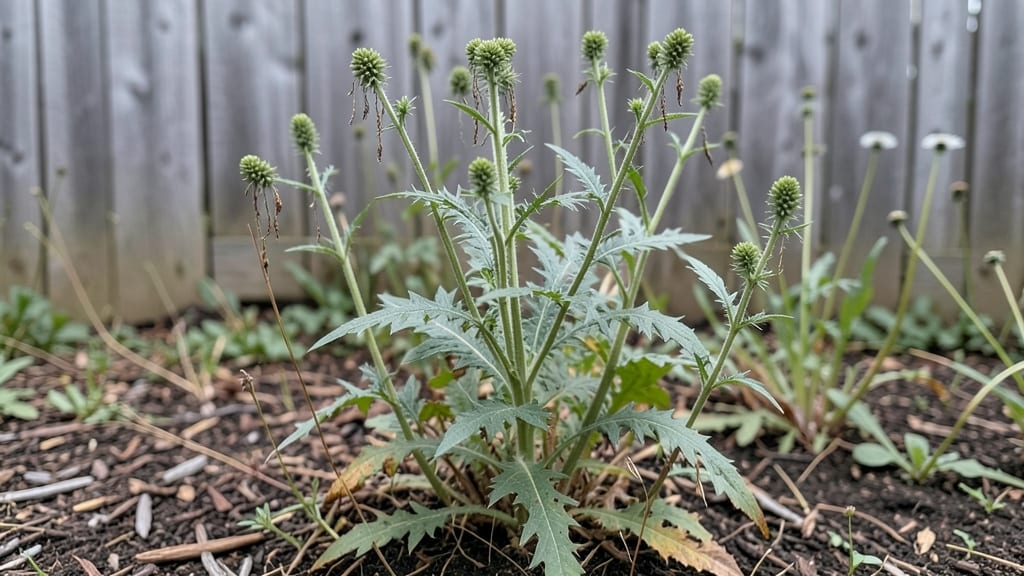
Ragweed blooms annually from late summer through early fall, typically between August and November, releasing massive pollen that triggers seasonal allergies. Its small green flowers grow in clusters along wiry stems and are highly efficient at spreading pollen via wind.
Ragweed’s flowering cycle is a major trigger for seasonal allergies because its pollen grains are incredibly lightweight—just 15-40 microns—allowing them to travel for miles on even gentle breezes. 🌬️ Once airborne, these grains can linger for weeks, worsening symptoms like sneezing and itchy eyes.
Warmer temperatures and dry conditions actually accelerate its pollen production, which is why allergy seasons often feel longer in urban areas with heat islands.
Identifying ragweed early is key since its greenish, spiky flowers resemble tiny catkins and thrive in disturbed soils like construction sites or garden edges. Unlike dandelions, these plants don’t produce showy blooms—their entire purpose is pollen dispersal, making them invisible until allergy season hits.
I’ve seen cases where homeowners unknowingly cultivate ragweed in their yard, only to realize too late why their allergies flare up every September.
💡 In This Article
- Ragweed Pollen Production and Allergy Impact
- Managing Ragweed Blooms in Landscapes
Ragweed pollen production and allergy impact
Here's what's actually happening when ragweed blooms: its flowers are designed as wind-pollination machines. Each plant produces 1 billion pollen grains per season, with flowers arranged in dense clusters called spikes. These spikes release pollen continuously from dawn until late afternoon, maximizing airborne exposure.
The pollen grains themselves are 15-40 microns in diameter—so small they can float for miles on gentle breezes, unlike bee-pollinated flowers that are too heavy to travel far.
The allergy impact comes from ragweed's pollen proteins, particularly Amb a 1, which triggers immune responses in sensitive individuals. What makes it worse is how these proteins remain airborne for weeks—unlike many other pollens that degrade quickly.
Humidity below 50% actually preserves pollen viability longer, while temperatures between 70-85°F accelerate production. This is why allergy seasons often peak during dry, warm spells, with pollen counts spiking on sunny afternoons when winds are calmest.
What most people don't realize is how climate change is extending ragweed's growing season. Warmer springs allow plants to mature earlier, while longer growing seasons in northern regions mean more plants survive to produce pollen.
In urban areas, heat islands can create microclimates where ragweed thrives 2-3 weeks longer than rural areas just miles away. The combination of earlier blooming and prolonged pollen release creates a double whammy for allergy sufferers.
Consider these key factors that amplify ragweed's impact:
- Pollen volume: A single plant can produce enough pollen to cover 1/4 acre in a season
- Release timing: Peak production occurs between 9 AM and 3 PM daily
- Persistence: Pollen remains airborne for 10-14 days after release
- Cross-reactivity: Ragweed pollen proteins trigger reactions to foods like melons and bananas in some individuals
The science behind ragweed's dominance involves its C4 photosynthetic pathway, which makes it more efficient than many other plants at converting sunlight into energy—especially in hot conditions. This gives it a competitive advantage in disturbed soils where other plants struggle.
The plant's wiry stems can reach 6 feet tall, with each stem producing dozens of pollen-producing flowers that continue to release grains until frost kills the plant.
What this means for allergy sufferers is that ragweed's biological advantages create a perfect storm: massive pollen production, efficient dispersal, and proteins designed to provoke immune responses. The good news?
Understanding these mechanisms helps explain why symptoms often worsen in certain weather patterns and why some geographic areas experience more severe allergy seasons than others.
For those tracking pollen forecasts, remember that ragweed's peak season typically aligns with late August through October, with the worst days often following dry, windy periods. This timing coincides with when many people return to outdoor activities after summer, making early preparation key for managing symptoms.