
Succulent
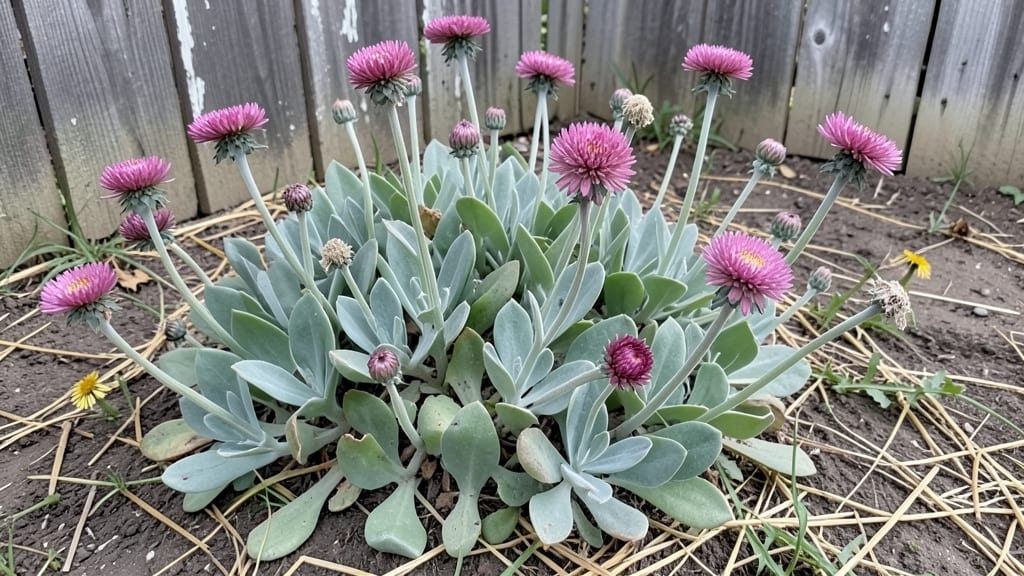
Sedum plants bloom with vibrant flowers in late summer to fall, producing star-shaped blossoms in clusters. Some varieties like 'Autumn Joy' and 'Angelina' create striking displays, while others remain low-flowering. Blooming duration varies by species, typically lasting 2-4 weeks.
These hardy succulents actually thrive on their late-season show, with blooming triggered by shorter daylight hours and cooler temperatures—think of them as nature's autumnal fireworks. 🌟 While 'Autumn Joy' steals the spotlight with its deep pink clusters, lesser-known varieties like 'Angelina' offer golden foliage that pairs beautifully with their blooms, creating a two-season spectacle.
The key to prolonging their display? Deadheading spent flowers and ensuring well-draining soil to keep them happy through their brief but brilliant flowering window.
What many gardeners don't realize is how adaptable these plants are—some varieties bloom earlier in warmer climates, while others wait until frost threatens to put on their show. I've found that providing afternoon shade during peak summer heat can actually encourage more robust blooming later in the season.
The trade-off? Their post-bloom foliage often becomes even more striking, making them a year-round garden asset.
💡 In This Article
- Sedum Flowering Seasons and Growth Triggers
- Top Sedum Varieties for Stunning Blooms and Care Tips
Sedum flowering seasons and growth triggers
Here's what's actually happening when sedum bursts into bloom: these succulents rely on a precise combination of daylight hours and temperature shifts to trigger flowering. The key factor is photoperiodism—when daylight drops below 12-14 hours (typically in late summer), sedum's internal clock signals flower production.
This explains why most varieties bloom in September-October, aligning with nature's seasonal cues. 🌿 Unlike spring-bloomers, sedum uses this delayed strategy to avoid summer heat stress while ensuring pollinators are still active.
The temperature threshold matters just as much as light. Most sedum varieties need daytime highs between 65-75°F and cooler nights (50-55°F) to set flower buds.
What most people don't realize is that extreme heat or cold can disrupt this process—temperatures above 85°F or below 50°F for extended periods often delay or prevent blooming entirely. This is why coastal regions with mild autumns get more reliable displays than hot inland areas.
The plant's natural dormancy cycle also plays a role: after summer's growth spurt, sedum enters a semi-dormant state where it conserves energy for the floral show.
Regional climate variations create fascinating differences in bloom timing. In Zone 5, sedum typically flowers 4-6 weeks earlier than in Zone 9 because cooler autumns trigger the process sooner. Some varieties like 'Matrona' bloom in early August in warm climates, while others wait until October-November in cooler regions.
This adaptability is why sedum thrives from deserts to alpine gardens—it's essentially a seasonal chameleon. The trade-off? Early bloomers may get frost damage, while late bloomers risk shorter display periods.
Light exposure works in tandem with temperature to maximize flower production. Sedum needs full sun (6+ hours daily) during vegetative growth but benefits from partial afternoon shade in summer to prevent heat stress.
Here's the science: excessive summer sun can cause the plant to prioritize leaf production over flowers, while proper shading lets it store energy for the autumn show.
I've found that providing 30-50% shade during peak afternoon heat (especially in Zones 7-10) can double bloom intensity in varieties like 'Autumn Joy'.
What makes sedum's flowering particularly fascinating is its secondary bloom trigger: some varieties will produce a second, smaller flush of flowers if given proper care after the initial bloom. This happens when the plant experiences a second period of cooler temperatures (like a mild winter followed by spring warmth).
The process involves hormonal shifts where the plant's apical dominance weakens, allowing lateral buds to develop. This is why deadheading (removing spent blooms) can sometimes encourage this second wave—it redirects the plant's energy toward new growth rather than seed production.
Consider these key factors when planning your sedum display:
- Climate zone: Zones 3-9 support blooming, but timing varies by 1-2 months between regions
- Soil moisture: Overwatering during dormancy (spring-fall) can delay blooming by 2-3 weeks
- Fertilization: A low-nitrogen fertilizer (5-10-10 ratio) in early summer promotes flowers over foliage
- Pruning: Cutting back 1/3 of growth after first bloom can encourage second flowering
The most stunning displays come from understanding these triggers and working with—not against—the plant's natural rhythms. With the right conditions, your sedum can transform from a summer green machine into a late-season floral spectacle that rivals any spring bloomer. 💫