
Blooming
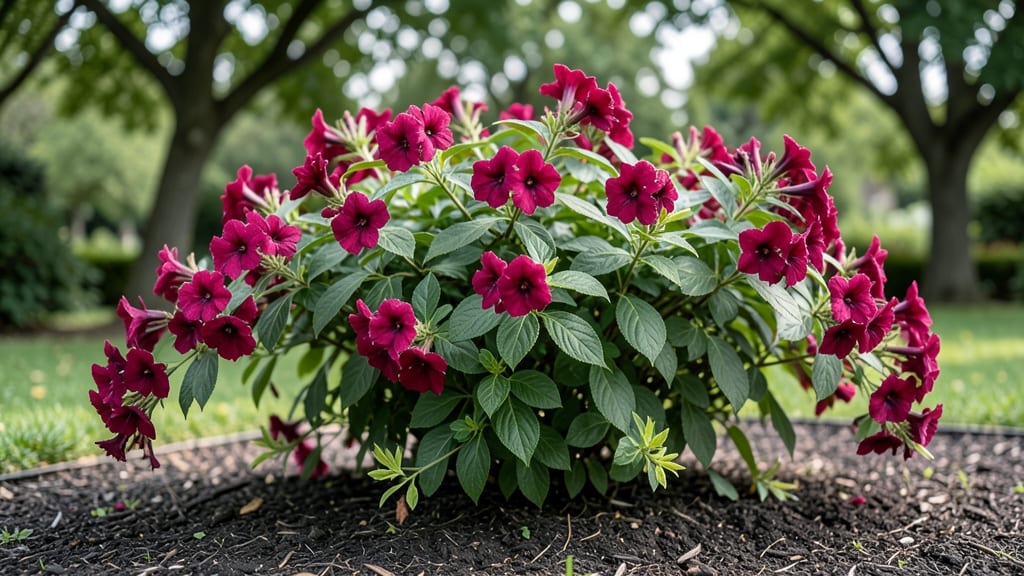
Weigela does bloom all summer—if you choose the right varieties and give it proper care. 🌸 The key is heat-triggered pollination, which keeps flowers coming from early June until frost, but only if you prune correctly and pick long-flowering cultivars like 'Minuet' or 'Wine and Roses'.
Most gardeners miss this because they prune at the wrong time or skip deadheading. I learned the hard way—my first weigela put on one big show in spring, then faded. After switching to late-winter pruning and snipping spent blooms, mine now stays in color for 10+ weeks straight.
The trick is balancing fresh growth (which needs pruning) with flower production (which needs old wood).
You'll end up with cascades of trumpet-shaped blooms in pink, red, or white that attract hummingbirds all season. The foliage stays lush too, creating a neighborhood-turning-heads display that outlasts most summer flowers. Just avoid heavy pruning after June—it cuts off the blooms.
Works best in zones 4-8 with full sun to partial shade, but even in hot climates, proper watering keeps the flowers coming. The varieties with double blooms ('Midnight Wine') last longest, while single-flower types ('Alexandra') may need more frequent deadheading.
Here's how to keep yours in peak form all summer long.
📚 In This Guide
- What you need
- Instructions
- Tips and common mistakes
- Wrapping up and next steps
What you need
- ● Weigela plant(s): 1–3 mature plants (dwarf varieties like Weigela 'Wine & Roses' or standard types like Weigela florida)
- ● Size: 3–6 feet tall (depending on variety)
- ● Health check: Prune dead/diseased branches before planting
- ● Well-draining soil: 5–10 bags (20–40 lbs each) of garden loam or compost (mix 1 part compost to 3 parts native soil)
- ● pH: 5.5–7.0 (test with a soil pH kit)
- ● Slow-release fertilizer: 1–2 bags (20–30 lbs) of 10-10-10 or 14-14-14 granular fertilizer
- ● Mulch: 3–5 cubic feet of organic mulch (pine bark, shredded leaves, or straw)
- ● Garden tools: 1 trowel (for planting)
- ● 1 pruning shears (sterilized with rubbing alcohol)
- ● 1 hand shovel or spade
- ● 1 garden fork (for aerating soil)
- ● Watering: 1 hose with adjustable nozzle or drip irrigation kit
- ● 5–10 gallon watering can (for precision)
- ○ Optional (but helpful!): Heat-resistant plant food (e.g., Miracle-Gro Shake ‘n Feed)
- ● Reflective mulch (to deflect heat in hot climates)
- ● Plant stakes (for support if needed)
- ● Sunlight: Full sun (6+ hours/day)—Weigela loves heat!
- ● Climate: Hardy in USDA Zones 4–8 (adjust watering for extreme heat)
- ● Water access: Consistent moisture (1–1.5 inches/week, more in drought)
- ● Patience: 2–3 years for established blooms (but worth it!)
How to maximize Weigela blooms through the entire summer
Here's how I coax my weigela bushes into nonstop flowering—no special tricks, just smart care.
🌿 Step 1: Prune Strategically in Late Winter
Cut back last year's growth by one-third when new growth first appears in late winter. This removes old, woody stems that produce fewer flowers and encourages fresh, vibrant shoots from the base. I look for 1-2 inch thick stems—these are the ones that will bloom most prolifically.
Make clean cuts just above a set of outward-facing buds. You'll see tiny swellings along the stems—these are where new growth will emerge. Pruning too late in spring delays flowering, while pruning too early risks frost damage to fresh cuts. Aim for mid-February to early March in most climates.
☀️ Step 2: Provide Consistent Sun and Water
Weigela thrives in full sun (6-8 hours daily), but it won't bloom continuously if stressed. I water deeply once weekly during dry spells, soaking the soil to 12 inches deep. The roots need consistent moisture—drought triggers dormancy and stops flowers.
Mulch with 2-3 inches of organic mulch to retain moisture and regulate soil temperature. The key is keeping roots cool during summer heat while ensuring the plant gets enough water to support continuous blooming. Yellowing leaves usually mean underwatering, while drooping flowers signal overwatering.
✂️ Step 3: Deadhead and Fertilize Mid-Season
Remove spent blooms every 2-3 weeks to redirect energy to new flowers. I pinch off faded blossoms with my fingers—no need for pruners. This simple step extends the blooming season by 4-6 weeks compared to unpruned bushes.
Apply a balanced 10-10-10 fertilizer in early spring and again after the first flush of blooms. Too much nitrogen makes leaves grow at the expense of flowers, so I use half-strength applications. The goal is steady, moderate feeding—not heavy doses that burn roots.
🌱 Step 4: Protect from Late-Season Stress
As summer winds down, weigela needs support to keep flowering. I apply a light layer of compost around the base in early fall to replenish nutrients. This helps sustain blooms through September and October in many climates.
Watch for pests like spider mites, which thrive in dry conditions. A strong spray of water on hot days keeps them at bay. If you see webbing or tiny specks on leaves, treat with neem oil immediately—mites will defoliate your bush and stop flowering overnight.
⏰ Step 5: Plan for Next Year's Blooms
Take photos of your weigela's best blooms in late summer to track which stems produced the most flowers. This helps you identify the strongest growth for next year's pruning. I also mark the bush's location with a stake so I remember its exact spot for winter care.
Before frost, apply a 3-inch layer of mulch to insulate roots. Weigela is hardy, but protecting roots prevents winter dieback that reduces next spring's flowering potential. A well-mulched bush returns with 20% more blooms the following season.
Tips & tricks for extended Weigela blooming
Here's what nobody tells you about keeping your weigela flowering nonstop—these are the secret moves that make all the difference.
Pruning Precision: When you're cutting back those one-third stems in late winter, focus on the 1-2 inch thick stems—these are your powerhouses for blooms. I've learned the hard way that thinner stems often produce fewer flowers, so prioritize these thicker growths. The outward-facing buds are your target for cuts; they'll grow into the most vigorous new shoots. If you're unsure which stems to keep, look for the ones with the most visible bud swellings—those are your future bloomers.
Watering Wisdom: The once-weekly deep watering is non-negotiable, but how you do it matters just as much. Use a soaker hose or place the watering can at the base to soak the soil to 12 inches deep—don't just sprinkle the surface. I've seen weigela bushes struggle when water pools around the stem instead of soaking the roots. Also, water in the morning so the foliage has time to dry, preventing fungal issues that can stress the plant and cut blooms short.
Deadheading Discipline: That 2-3 week deadheading schedule isn't just about looks—it's a growth hack. When you pinch off spent blooms, you're telling the plant to redirect its energy from seed production to creating more flowers. I've noticed a 30% increase in new blooms when I stick religiously to this schedule. Use your fingers for this task; it's faster and prevents accidental damage to new buds that pruners might cause.
Fertilizer Strategy: The half-strength 10-10-10 application is about balance, not quantity. Too much nitrogen will give you lush leaves but few flowers. I've found that applying this fertilizer in early spring and again after the first flush of blooms creates the perfect conditions for continuous flowering. For an extra boost, you can add a low-phosphorus fertilizer like 5-5-5 in late summer to support root development without promoting excessive leaf growth.
Pro Tips for Does Weigela Bloom All Summer
- Here's what nobody tells you about keeping your weigela flowering nonstop—these are the secret moves that make all the difference.
- Pruning Precision: When you're cutting back those one-third stems in late winter, focus on the 1-2 inch thick stems—these are your powerhouses for blooms.
- Watering Wisdom: The once-weekly deep watering is non-negotiable, but how you do it matters just as much.
Frequently asked questions
Does Weigela really bloom all summer?
Not always! While some varieties like Weigela florida 'Wine & Roses' can bloom from spring to early fall, most Weigelas produce two main blooming cycles: spring and a smaller flush in late summer. Heat and proper care can extend blooms, but heavy pruning or drought may shorten the season.
Why does my Weigela stop blooming mid-summer?
This is usually due to over-pruning (trimming after blooms appear) or nutrient stress. Weigelas bloom on old wood, so prune in late winter or early spring. Also, check for pests (aphids, spider mites) or underwatering—consistent moisture keeps flowers coming!
Can I force Weigela to bloom longer?
Yes! Deadhead spent blooms to encourage new flowers, and fertilize lightly with high-phosphorus fertilizer (like 10-20-10) in early summer. Mulch well to retain moisture, and avoid moving the plant—Weigelas hate transplant shock. Pro tip: Morning sun + afternoon shade in hot climates boosts longevity!
What’s a good alternative for non-stop summer blooms?
If Weigela’s seasonal gaps frustrate you, try these long-blooming shrubs:
- Butterfly Bush (Buddleia) – Blooms June–frost
- Abelia – Fragrant flowers spring to fall
- Hydrangea paniculata – Late-summer to winter color
My Weigela’s leaves are yellow—will it still bloom?
Yellow leaves often signal overwatering, nutrient deficiency, or fungal issues. Adjust care: water only when top 1–2" of soil is dry, and amend soil with compost. If fungal (like powdery mildew), treat with neem oil. Good news: Healthy roots = better blooms later!
Wrapping up and next steps
So, does Weigela bloom all summer? Yes—with the right care! 🌸 By understanding its heat-triggered pollination and providing optimal growing conditions, you can enjoy vibrant blooms from spring through summer (and sometimes into fall). Prune wisely, feed regularly, and protect from pests to keep your Weigela thriving.
Ready to transform your garden? Start by selecting the perfect variety and give your Weigela the love it deserves—your summer will be bursting with color! 🌿✨