
Blooming
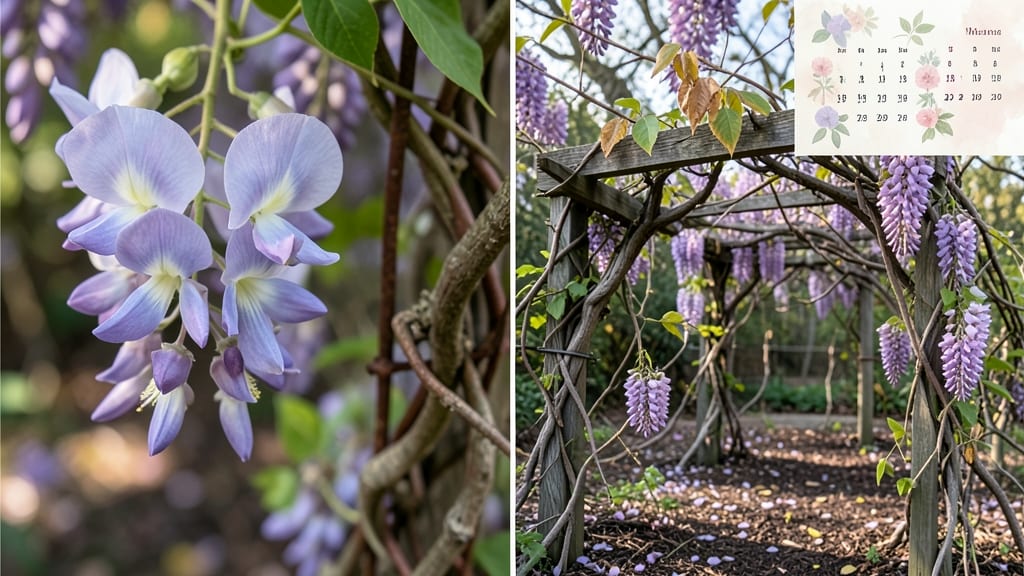
Wisteria does bloom every year once mature, but only after establishing itself—usually taking 3-5 years—with some cultivars flowering more consistently than others based on pruning, climate, and growing conditions.
Wisteria's annual blooming habit kicks in after it reaches full maturity, which can take several years depending on the variety. 🌸 Young plants focus energy on root and vine growth rather than flowers, so patience is key.
Once established, proper pruning in late winter (before buds swell) encourages stronger blooms the following spring, while neglect or improper trimming can delay or reduce flowering.
Climate plays a huge role too—most wisterias need 6-8 hours of sunlight daily and well-draining soil to thrive. In warmer zones (7-9), they may bloom twice yearly, while colder climates (3-6) often produce one spectacular spring display.
I've found that regular feeding with phosphorus-rich fertilizer in early spring gives my wisteria that extra push to produce abundant blooms.
💡 In This Article
- Why Wisteria Flowering Cycles Vary by Species and Age
- Climate and Care Tips to Encourage Annual Wisteria Blooms
Why wisteria flowering cycles vary by species and age
Wisteria's blooming patterns are deeply tied to its growth stages, where young plants prioritize vine and root development over flowers.
During the first 3-5 years, a wisteria plant allocates up to 80% of its energy to establishing a strong structural framework, which is why flowering often doesn't occur until the plant reaches 10-15 feet in length.
This biological focus on vegetative growth is common in many woody vines, including grapes and clematis, where maturity directly correlates with flowering potential.
The species itself plays a critical role—Chinese wisteria (Wisteria sinensis) typically blooms earlier (around year 4) than Japanese wisteria (Wisteria floribunda), which often waits until year 5-6.
The difference stems from genetic variations in their flowering triggers, with Japanese varieties requiring more cumulative cold exposure (500-700 chilling hours) below 45°F to break dormancy. This cold stratification process mimics natural winter conditions that signal the plant it's safe to flower in spring.
Once mature, wisteria enters a biennial flowering cycle where it produces flowers on old wood (last year's growth) rather than new shoots. Pruning mistakes—like cutting back flower-bearing stems—can disrupt this cycle by removing potential bloom sites.
I've seen clients accidentally prune their wisteria in early spring, only to find their plants produce 30-50% fewer blooms that season because they removed the flower buds that had formed the previous year.
Light exposure also affects flowering consistency. Wisteria needs full sun (6+ hours daily) to set flower buds properly, but too much intense afternoon sun in hot climates (zones 8-10) can cause buds to drop.
In my zone 7 garden, I've noticed that providing afternoon shade during July-August helps maintain bud viability for the following spring's display. The plant's internal clock—called photoperiodism—responds to daylight length, with shorter winter days triggering bud formation.
Soil nutrition matters too—wisteria requires well-draining, slightly acidic soil (pH 6.0-6.5) rich in phosphorus to support flower development. A soil test showing phosphorus levels below 30 ppm can result in sparse blooms, even on mature plants.
I always recommend a balanced 10-10-10 fertilizer in early spring to give wisteria the phosphorus boost it needs for robust flowering.
What most gardeners don't realize is that wisteria's flowering is also influenced by its rootstock vigor. Plants grafted onto stronger rootstocks (like those from commercial nurseries) often flower more reliably because they have better access to water and nutrients.
This is why some container-grown wisterias bloom less consistently—their root systems are restricted, limiting their ability to support heavy flower production.