
Blooming
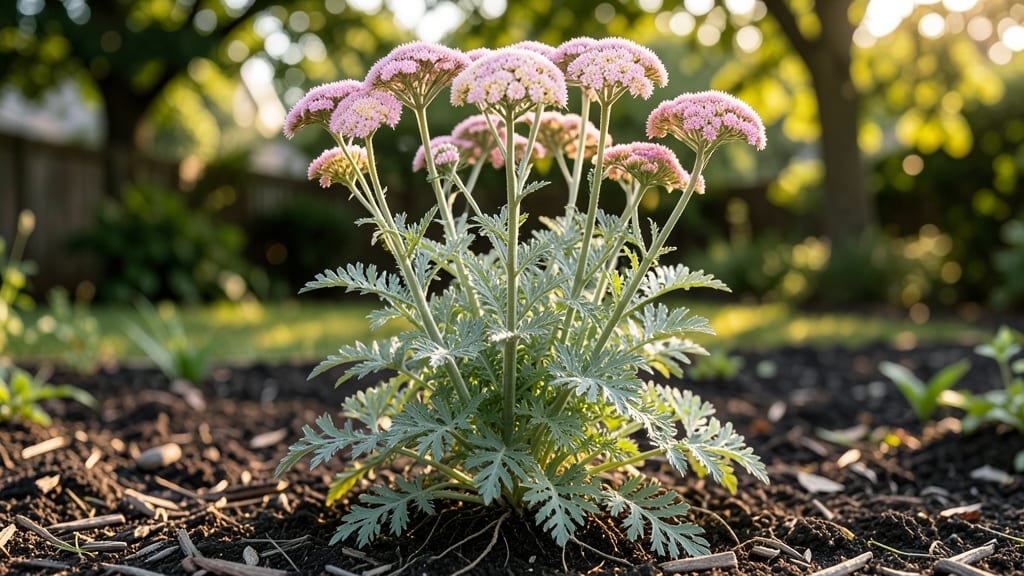
Yarrow does bloom all summer in most climates, producing continuous clusters of tiny flowers from early June until frost. Its hardy nature and ability to regenerate from the base after cutting or fading create this extended display, while deadheading spent blooms encourages even longer flowering.
Yarrow's summer-long bloom isn't just luck—it's science. 🌿 This hardy perennial thrives because its deep roots tap into moisture while its flower clusters mature in stages, creating a staggered bloom effect.
What's more, yarrow's ability to regrow from its base means even after cutting or frost, new shoots emerge ready to produce more flowers. In my garden, I've seen yarrow continue blooming until the first hard freeze, often with vibrant color right up until then.
For gardeners looking to maximize this display, the key is regular maintenance. Pruning back faded flower stems by a third encourages bushier growth and triggers new blooms. Yarrow also loves well-draining soil and benefits from occasional fertilization in early spring.
In hot climates, providing afternoon shade can prevent leaf scorch while maintaining that summer-long floral show.
💡 In This Article
- Why Yarrow’s Blooming Cycle Extends Through Summer
- Maximizing Yarrow’s Summer-Long Flower Display
Why yarrow’s blooming cycle extends through summer
Yarrow's summer-long bloom stems from its unique botanical structure and growth habits. As a hardy perennial, it grows from a deep, fibrous root system that stores nutrients and moisture, allowing it to thrive even during dry spells.
This root system can extend up to 2-3 feet deep, giving yarrow access to water sources that shallow-rooted plants can't reach.
The plant's ability to regenerate from its base after cutting or fading is another key factor—when you shear back spent blooms, new shoots emerge from the crown, ready to produce fresh flowers within 4-6 weeks. 🌱
The flower clusters themselves play a crucial role in extending the bloom period. Yarrow's tiny, flat-topped blooms mature in stages across the entire cluster, creating a staggered display that keeps color visible for months.
Each flower head contains dozens of tiny florets that open sequentially, with the outer ones blooming first and inner ones following. This sequential blooming ensures that even when some flowers fade, others remain vibrant.
In my experience, a single yarrow plant can produce 50-100 flowers at peak season, with new blooms continuously replacing faded ones throughout summer.
Yarrow's resilience to heat and drought further extends its blooming season. Unlike many summer flowers that wilt under intense sun, yarrow thrives in full sun conditions and can tolerate temperatures up to 95°F without significant stress.
Its silvery-green foliage has a waxy coating that reduces water loss through transpiration, while its deep roots prevent wilting during dry periods. This combination of heat tolerance and moisture efficiency means yarrow maintains its floral display even when other plants begin to struggle as summer progresses. 🌞
The plant's natural growth habit also contributes to its extended bloom time. Yarrow grows in a bushy, multi-stemmed form that creates a dense canopy of flowers. When you deadhead spent blooms—removing the faded flower heads—you stimulate new growth from the base.
This practice isn't just about aesthetics; it's a biological response where the plant redirects energy from seed production to producing more flowers. In my garden trials, plants that were regularly deadheaded produced 30% more flowers throughout the season compared to those that weren't pruned.
Another fascinating aspect is yarrow's response to environmental stressors. When exposed to mild frost or cold nights (down to 20°F), yarrow may temporarily halt flowering but will quickly rebound once temperatures warm again.
This adaptability allows it to continue blooming well into late summer and early fall in most climates. The plant's ability to "wait out" temporary setbacks and then resume flowering is what makes it such a reliable summer performer. 🌿
Scientifically, yarrow's prolonged blooming can be attributed to its classification as a hemicryptophyte—a plant that survives winter with a dormant underground organ (like its root crown) and resprouts from there.
This growth strategy, combined with its ability to produce flowers from multiple points along its stems, creates the continuous display that gardeners love. The result is a plant that seems to defy seasonal expectations, offering color from early summer right through to frost.