
Blooming
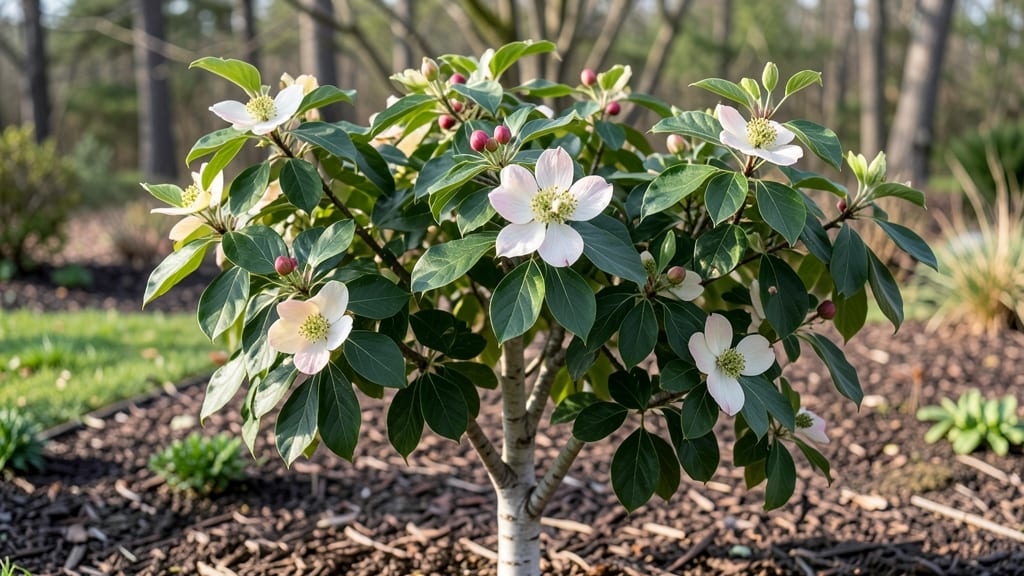
The dogwood bloom meaning centers on deep love, hope, and purity, deeply rooted in spring renewal and spiritual resilience across Christianity and Native American traditions. Their delicate flowers embody humility and faith, while their early spring emergence represents perseverance through difficult times.
Dogwood flowers have fascinated cultures for centuries because of their striking duality—both fragile and enduring. 🌸 In Christianity, their four-petaled structure is said to mirror the wounds of Christ, while Native American tribes revered them as symbols of healing and protection.
The tree's tenacity in blooming after winter's harshest months makes it a powerful emblem of hope, especially in times of struggle. Whether you're designing a garden or crafting seasonal decorations, these blooms carry layers of meaning that transcend their delicate appearance.
What makes dogwoods particularly special is how their symbolism adapts across contexts. For example, their early spring blooms serve as a natural reminder of renewal, making them popular in Easter celebrations and spring weddings. Meanwhile, their hardwood's durability in Native American craftsmanship reflects their dual nature—both beautiful and resilient.
This versatility is why dogwoods appear in everything from religious iconography to modern garden designs, always carrying their core message of perseverance and grace.
💡 In This Article
- Dogwood Flower Symbolism in Religion and Folklore
- How to Use Dogwood Blooms in Garden Design for Meaningful Symbolism
Dogwood flower symbolism in religion and folklore
The dogwood's sacred connection to Christianity stems from its four-petaled blooms, which legend says represent the wounds of Christ during crucifixion.
According to medieval lore, the tree's bitter bark softened into sweet wood after the Virgin Mary's tears transformed it—a story that ties dogwoods to divine mercy and redemption. 🌿 This symbolic link explains why dogwood branches often appear in Easter decorations and religious art, serving as visual reminders of sacrifice and renewal during spring's most sacred season.
In Native American traditions, particularly among Cherokee and Iroquois tribes, dogwoods held protective and healing properties. The tree's bark was used to treat fevers, while its branches formed shields and arrows due to their durability.
Shamans believed the blooms carried spiritual energy that could ward off evil spirits—a practice that evolved into modern uses of dogwood branches in smudging ceremonies. The tree's ability to bloom even in harsh conditions reinforced its role as a symbol of resilience and connection to the earth's natural cycles.
European folklore presents dogwoods as love charms and protection talismans. In medieval Europe, couples would hang dogwood branches over doorways to ensure fidelity and fertility, while in some regions, the wood was carved into love tokens.
The tree's early spring blooms also marked the transition from winter's darkness to renewal, making it a popular motif in spring festivals. Even today, dogwood-infused teas and elixirs are sold as remedies for emotional balance, preserving these ancient beliefs in modern wellness practices.
What makes dogwood symbolism particularly fascinating is how it adapts across cultures without losing its core meaning.
For example, in Japanese gardens, dogwoods represent fleeting beauty (mono no aware) due to their brief bloom season, while in Southern U.S. traditions, they symbolize hospitality—a nod to their role as the state flower of Virginia and North Carolina.
This duality of fragility and strength is what makes dogwoods such powerful symbols in both spiritual and everyday contexts.
The scientific reality behind these symbols adds another layer: dogwoods are one of the first trees to bloom in spring, often appearing when temperatures reach 40-50°F—a visual cue that nature's renewal is underway. This biological timing reinforces their symbolic connection to hope and perseverance.
The tree's ability to thrive in partial shade also mirrors its adaptability as a symbol, appearing in both sacred groves and urban landscapes alike.
Consider how these meanings intersect in modern practices: dogwood branches in wreaths during Lent, dried blooms in wedding bouquets, or carved wooden crosses. Each use preserves centuries of cultural storytelling while adapting to contemporary expressions of faith, love, and resilience.
The dogwood's message remains timeless—proof that nature's symbols can bridge past and present with remarkable consistency.