
Blooming
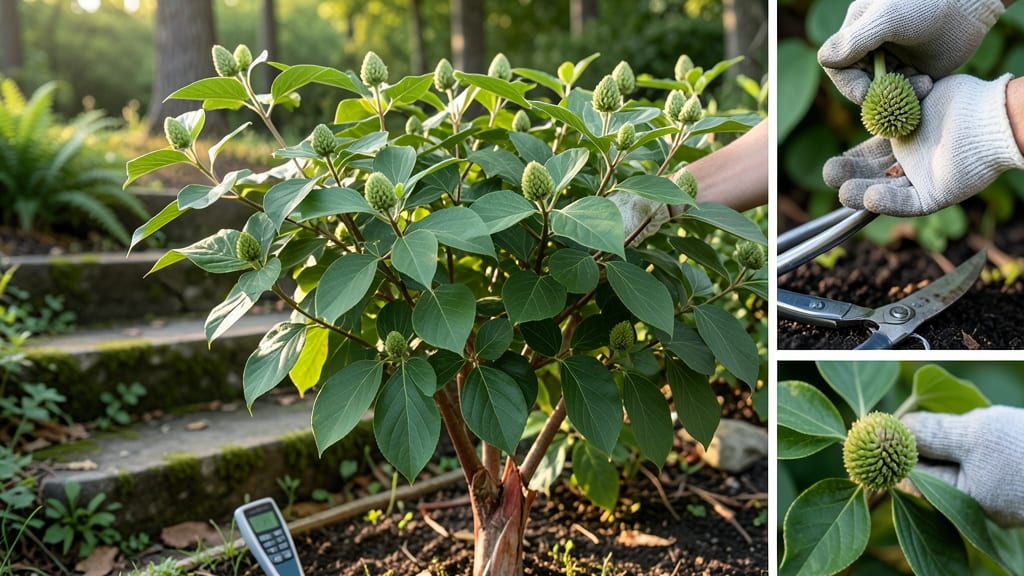
Your dogwood didn't bloom this year—and that pink spring show feels like a missed promise. 🌸 I’ve watched my own dogwoods go from vibrant blooms to bare branches, and the culprits are almost always the same: stress from last winter’s freeze, too much shade, or a nutrient imbalance.
The good news? Most of these issues are fixable with a few targeted adjustments.
First, check the basics: age matters—young trees (under 5 years) often skip blooms while they focus on root growth. Then look for signs of stress: yellowing leaves, sparse foliage, or bark damage.
Even pests like borers or scale can drain energy meant for flowers. A simple soil test can reveal if your dogwood is starving for phosphorus or potassium—the key nutrients for blooms.
Here’s the fix: prune in late winter to improve airflow, mulch heavily to protect roots, and fertilize in early spring with a balanced 10-10-10 formula. If shade is the issue, thin nearby branches or plant lighter foliage nearby.
Within 1-2 seasons, you’ll likely see those classic blooms return—though older trees may need a little more patience.
Don’t panic if this happens again—some years just aren’t right for blooming. Focus on keeping the tree healthy, and those iconic flowers will come back stronger. The secret is consistency, not perfection. Let’s troubleshoot your specific tree next!
Hidden Reasons Behind Missing Blooms
When your dogwood tree skips its annual floral show, it’s often a silent message from nature—one that points to deeper issues. Understanding these causes isn’t just about diagnosing the problem; it’s about giving your tree the best chance to rebound.
Below, we break down the science-backed reasons why your dogwood might have missed its bloom this year, along with actionable insights to address them.
Dogwoods (Cornus florida) are chill-dependent—they need a specific number of hours below 45°F (7°C) during winter to trigger flowering. Without enough cold exposure, buds stay dormant, and blooms never form.
Why it happens:
- Global warming is reducing winter chill hours in many regions.
- Unpredictable weather (e.g., warm spells in winter) can disrupt the process.
- Urban heat islands (cities with lots of pavement/concrete) trap warmth, preventing proper chilling.
What to do:
- Monitor chill hours using a home weather station or local climate data.
- Mulch heavily (3–4 inches of organic mulch) to insulate roots and encourage cooler soil temps.
- Choose cold-hardy cultivars like ‘Cherokee Brave’ or ‘Rubra’ if you’re in a mild climate.
Dogwoods thrive in well-draining, slightly acidic soil (pH 4.5–6.0). If the soil lacks essential nutrients or is compacted, the tree diverts energy to survival instead of flowering.
Why it happens:
- Nitrogen-heavy fertilizers promote leafy growth but suppress blooms.
- Compacted or waterlogged soil restricts root development, starving the tree.
- Deficiencies in phosphorus or potassium weaken flowering signals.
What to do:
- Test your soil (use a DIY kit or send a sample to a lab).
- Amend soil with compost or peat moss to improve drainage and acidity.
- Apply a balanced, slow-release fertilizer (e.g., 10-10-10) in early spring, avoiding high-nitrogen blends.
- Aerate compacted soil with a garden fork or root aerator.
Dogwoods prefer partial shade (4–6 hours of sunlight daily), but extremes in either direction can stunt blooms.
Why it happens:
- Full sun exposure causes heat stress, leading to early bud drop.
- Deep shade (e.g., under dense trees) weakens the tree, reducing energy for flowers.
- Sudden changes (e.g., a newly cleared neighbor’s tree) can shock the plant.
What to do:
- Prune nearby trees to allow dappled sunlight (avoid full sun in hot climates).
- Use shade cloth (30–50%) if your dogwood is in intense afternoon sun.
- Mulch to retain moisture and regulate soil temperature.
Pests like dogwood borers or diseases such as powdery mildew or anthracnose can kill buds before they open or weaken the tree enough to skip flowering.
Why it happens:
- Borers (larvae of Synanthedon moths) girdle branches, cutting off nutrient flow.
- Fungal diseases (common in wet springs) clog stomata, preventing bud development.
- Spider mites or scale insects sap-suck, draining the tree’s energy.
What to do:
- Inspect branches for sawdust-like frass (borer sign) or black cankers (anthracnose).
- Apply neem oil (for mites/scale) or systemic fungicides (e.g., copper-based) in early spring.
- Prune infected limbs (sterilize tools with 70% alcohol) and dispose of debris.
- Improve airflow by thinning dense foliage.
Dogwoods are drought-sensitive but hate soggy roots. Both extremes can lead to bud abortion or weakened growth.
Why it happens:
- Drought stress causes the tree to conserve energy, skipping non-essential functions like flowering.
- Overwatering leads to root rot, which starves the canopy of nutrients.
- Inconsistent moisture (e.g., dry spells after heavy rain) confuses the tree’s growth cycle.
What to do:
- Water deeply 1–2 times per week (1–1.5 inches per session) during dry spells.
- Install a drip irrigation system for consistent moisture.
- Check soil moisture with a moisture meter—dogwoods prefer slightly moist but not waterlogged soil.
- Avoid overhead watering to prevent fungal diseases.
Young dogwoods (under 5 years) may not bloom yet, while over-pruning mature trees can remove next year’s flower buds (which form in late summer).
Why it happens:
- Flower buds develop on one-year-old wood, so aggressive pruning in late summer/fall can remove them.
- Older trees (over 20 years) may slow down blooming due to natural aging.
- Topping or shearing weakens the tree’s structural integrity.
What to do:
- Prune in late winter/early spring (after blooms fade) to avoid cutting next year’s buds.
- Remove only dead, diseased, or crossing branches—never more than 25% of the canopy at once.
- Fertilize older trees with phosphorus-rich amendments (e.g., bone meal) to stimulate flowering.
Late frosts, heatwaves, or hail can damage buds before they open or stress the tree into skipping blooms entirely.
Why it happens:
- Late spring frosts (below 28°F/-2°C) can kill open buds.
- Sudden heatwaves (above 90°F/32°C) cause bud desiccation.
- Hail or strong winds can physically strip buds from branches.
What to do:
- Cover young trees with frost cloth during late frosts (if blooms are already visible).
- Plant in a sheltered location (e.g., near a windbreak fence).
- Mulch heavily to buffer soil temperature swings.
If your dogwood is newly planted, it may be too stressed to bloom for 1–2 years while it establishes roots. Don’t panic—focus on deep watering and mulching to help it recover.
Next Steps: Once you’ve identified the likely cause, check out our [Fixing the Problem]** section for step-by-step solutions to bring back those stunning blooms next season!
Revive Your Dogwood’s Bloom
If your dogwood tree skipped its usual spring show, don’t despair—there are practical steps to encourage next year’s blossoms. Below, we break down the most common causes and actionable fixes, plus prevention tips to keep your tree thriving.
Dogwoods thrive in well-draining, slightly acidic soil (pH 4.5–6.0). If the soil lacks essential nutrients, blooms may fail to appear.
How to Fix It:
- 🔥 Test Your Soil – Use a home soil test kit or send a sample to a local extension office to check pH and nutrient levels.
- 🍳 Amend the Soil – Mix in compost or peat moss to improve drainage and acidity. For nutrient-poor soil, apply a balanced, slow-release fertilizer (10-10-10) in early spring.
- 🌿 Mulch Properly – Spread 2–4 inches of organic mulch (like wood chips) around the base, keeping it 6 inches away from the trunk to retain moisture and regulate temperature.
Prevention Tip: 💡 Top-dress annually with compost to maintain soil health and prevent deficiencies.
Dogwoods are sensitive to extreme temperatures, prolonged drought, or late frosts, which can shock the tree and delay or prevent blooming.
How to Fix It:
- 👨🍳 Water Deeply & Consistently – Water 1–2 inches per week, especially during dry spells. Use drip irrigation or soaker hoses to avoid wetting foliage (which can cause disease).
- 🌡️ Protect from Late Frosts – If your area has late spring frosts, consider covering young trees with frost cloth or using row covers during bloom time.
- ✨ Provide Shade (If Needed) – If your dogwood is in a hot, sunny spot, partial afternoon shade can reduce stress.
Prevention Tip: 🌿 Plant in a location with dappled sunlight—dogwoods tolerate shade but still need 4–6 hours of morning sun for best blooms.
Scale insects, borers, or fungal diseases (like powdery mildew or anthracnose) can weaken a dogwood, reducing its energy for blooming.
How to Fix It:
- 🔪 Inspect for Pests – Look for sticky sap (aphids), holes in bark (borers), or white powdery spots (mildew).
- 💦 Treat Infestations Early –
- For insects: Spray with neem oil or insecticidal soap in early spring.
- For fungal issues: Apply a copper fungicide or baking soda spray (1 tbsp baking soda + 1 quart water + a drop of dish soap).
- 🌿 Prune Damaged Branches – Remove and dispose of infected limbs (don’t compost them) to prevent spread.
Prevention Tip: 🎯 Prune in late winter to improve airflow and reduce disease risk.
Dogwoods bloom on old wood, meaning pruning at the wrong time (or too aggressively) can remove next year’s flower buds.
How to Fix It:
- ✂️ Prune at the Right Time – Wait until after blooming (late spring/early summer) to avoid cutting off potential flowers.
- 🌿 Shape Lightly – Remove dead, crossing, or weak branches but avoid heavy thinning.
- 🌿 Avoid "Rejuvenation Pruning" – Cutting back hard (like to the ground) can delay blooming for 2+ years.
Prevention Tip: 💡 Use sharp, clean tools and sterilize pruners with rubbing alcohol between cuts to prevent disease spread.
Some dogwoods (especially older trees or certain cultivars) may bloom less frequently due to natural aging or genetics.
How to Fix It:
- 🌱 Consider Rejuvenation – If the tree is mature but struggling, a light pruning + fertilizer boost may encourage new growth.
- 🌿 Replace if Necessary – If the tree is beyond revival, consider planting a new, disease-resistant variety (like ‘Cherokee Brave’ or ‘White Pixie’).
Prevention Tip: ✨ Choose disease-resistant cultivars when planting new dogwoods for long-term blooming success.
Final Thought: With the right care, most dogwoods will bounce back and put on a spectacular show next spring. Start with soil health, proper watering, and pest control—your tree will thank you with vibrant blooms in no time! 🌸
Frequently asked questions
Is it normal for a young dogwood to skip blooming?
Yes! Dogwoods typically take 3-5 years to establish enough root strength for blooming. Young trees focus energy on root development first. If yours is under 5 years old, don't worry—focus on consistent watering and mulching to help it grow stronger for future blooms.
Could my dogwood's lack of blooms be from last winter's weather?
Dogwoods need 600-1,000 chill hours below 45°F (7°C) to trigger blooming. If your winter was unusually warm or short, the tree may have missed its flowering signal. Check local weather records—this is a common reason for missed blooms in recent years.
Will fertilizing my dogwood help it bloom next year?
Yes, but use the right type! Dogwoods need phosphorus and potassium for blooms, not just nitrogen. Apply a balanced 10-10-10 fertilizer in early spring, or use a phosphorus-rich amendment like bone meal. Avoid high-nitrogen fertilizers—they promote leaves but suppress flowers.
What should I do if my dogwood's leaves look unhealthy?
Check for signs of stress: yellowing leaves may indicate nutrient deficiency or root rot, while brown spots could signal fungal disease. First, improve drainage by amending soil with compost. If you see powdery white growth, treat with neem oil. For severe cases, consult a local arborist.
How can I tell if my dogwood is too old to bloom?
Most dogwoods bloom well into maturity, but very old trees (over 25-30 years) may slow down. Look for signs of decline: sparse foliage, dead branches, or bark splitting. If the tree is otherwise healthy, it may still produce occasional blooms. For guaranteed flowers, consider planting a younger, disease-resistant cultivar nearby.