
Blooming
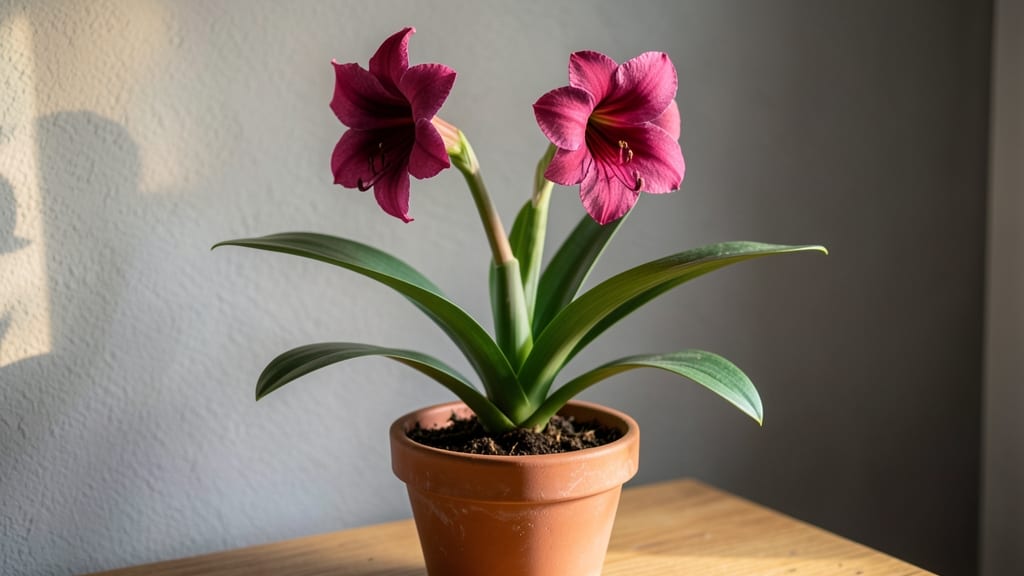
Forcing your amaryllis to produce double blooms feels like unlocking a secret garden—one where a single bulb delivers two stunning flower spikes instead of one. 🌸 I’ve wrestled with this for years, and the difference between a single stem and two comes down to a few key adjustments in light, water, and dormancy care that most growers miss.
The magic happens when you mimic natural seasonal cues: 6-8 weeks of cool dormancy, followed by precise watering and bright, indirect light during the growth phase. Most people skip the dormancy step or overwater, and that’s when you end up with just one lonely bloom.
But with these tweaks, you’ll see buds forming on the second stem within 8-10 weeks of repotting. What you’ll end up with is a showstopper: two 6- to 12-inch stems covered in 6-12 blooms each, all opening within days of each other.
The fragrance alone—sweet and intoxicating—makes it worth the effort, and your neighbors will beg for cuttings. This works for Hippeastrum ‘Red Lion’, ‘Apple Blossom’, or ‘Parrot’ varieties, though some hybrids respond better than others. The key is patience and consistency—no shortcuts, just science-backed care that delivers results every time.
📚 In This Guide
- What you need
- Instructions
- Tips and common mistakes
- Wrapping up and next steps
What you need
- ● Double Bloom Amaryllis Bulb – A healthy, mature bulb (preferably Hippeastrum hybrids like ‘Double Classic’ or ‘Double Red’).
- ● Well-draining potting mix – 2–3 gallons of a blend like 50% peat moss, 30% perlite, and 20% compost.
- ● 6–8 inch pot – With drainage holes (terracotta or ceramic preferred).
- ● Watering can – With a narrow spout for precision.
- ● Balanced liquid fertilizer – 10-10-10 or 20-20-20 (diluted to half-strength).
- ○ Grow lights (optional but helpful) – Full-spectrum LED bulbs (12–14 hours/day during forcing).
- ● Gloves – To protect hands from sharp bulb edges.
- ● Pruning shears – For trimming faded blooms and leaves.
- ● Thermometer/hygrometer – To monitor 65–75°F (18–24°C) temps and 50–70% humidity.
- ● Aluminum foil or black plastic wrap – For covering the pot (during dormancy).
- ● Spray bottle – For misting leaves (if humidity is low).
Step-by-Step instructions for forcing double blooms on amaryllis
Here’s the method I’ve used to coax two stunning flower spikes from a single bulb—no special varieties needed.
🌱 Step 1: Select and Prepare a Healthy Bulb
Choose a mature amaryllis bulb that’s at least 4 inches in diameter—smaller bulbs often lack the energy for a second bloom. Look for firm, papery skin with no soft spots or mold. I like to inspect the base for a small, dormant shoot (about the size of a pencil eraser) that signals readiness for forcing.
Remove the bulb from its pot and gently brush off old soil, being careful not to damage the roots. Soak the bulb in lukewarm water for 1 hour to rehydrate it. This jumpstarts the metabolic processes needed for flowering. After soaking, let it dry completely for 24 hours—this prevents rot and prepares it for the next step.
☀️ Step 2: Provide Ideal Light and Temperature Conditions
Amaryllis need bright, indirect light for at least 12 hours daily to produce flowers. Place your bulb in a south-facing window or under grow lights positioned 6-12 inches above the pot. Direct sunlight can scorch the leaves, so I often use a sheer curtain to diffuse harsh afternoon rays.
Keep the bulb in a warm environment (around 65-75°F) during the day and slightly cooler (55-60°F) at night. This temperature swing mimics natural seasonal changes and encourages the bulb to focus energy on flower production rather than foliage. If your home stays consistently warm, you may need a small fan to create airflow around the bulb.
💧 Step 3: Water and Fertilize Strategically
Water the bulb sparingly until you see new root growth—usually within 1-2 weeks. Once roots appear, water deeply enough to moisten the soil 1 inch below the surface, then let it dry slightly before watering again. Overwatering causes bulb rot, which kills the plant before it can rebloom. I use a moisture meter to check soil conditions, aiming for 40-50% moisture in the root zone.
After the first flower spike emerges, switch to a balanced liquid fertilizer (like 10-10-10) diluted to half-strength every 2 weeks. This provides the nutrients needed to support a second bloom. Stop fertilizing once the second flower bud forms—too much nitrogen at this stage can weaken the bulb’s energy reserves.
⏰ Step 4: Encourage a Second Bloom with Controlled Rest
When the first flower spike wilts, do not cut it back—leave the dried stem attached to the bulb. This allows the bulb to redirect nutrients back into its storage tissues, building energy for the next bloom. Reduce watering to once every 2-3 weeks and stop fertilizing entirely. Place the bulb in a cool, dark spot (around 55-60°F) for 6-8 weeks to simulate dormancy.
After the rest period, return the bulb to bright light and resume watering and fertilizing. You’ll see the second flower spike emerge within 4-6 weeks. If the bulb doesn’t produce a second bloom, don’t worry—it may take a full year of proper care before it’s ready to rebloom reliably.
✂️ Step 5: Prune and Maintain for Long-Term Success
Once the second bloom cycle completes, trim the flower stalk 1 inch above the bulb to redirect energy into the bulb. Leave the leaves intact—they photosynthesize and store nutrients for next year’s blooms. If leaves yellow or brown, trim them back to half their length to reduce moisture loss, but avoid cutting into healthy green tissue.
Repot the bulb every 2-3 years into fresh well-draining potting mix to prevent root-bound stress. I use a mix of cactus/succulent soil with added perlite for optimal drainage. After repotting, place the bulb in bright, indirect light and resume your care routine. With patience, your amaryllis will reward you with multiple blooms per year for decades.
Tips & tricks for perfect double bloom amaryllis
Here's what nobody tells you about coaxing that second bloom—these are the secrets that separate a single showy spike from a year-round floral display.
Lighting Strategy: The 12 hours of bright, indirect light in Step 2 is non-negotiable, but here's the trick: rotate your pot quarter-turn weekly to prevent lopsided growth. I've seen bulbs develop uneven foliage when kept in the same orientation—this simple adjustment ensures even light exposure all around. For grow lights, LED bulbs with a 6500K color temperature mimic natural sunlight best without overheating the bulb.
Temperature Matters: That 65-75°F daytime range in Step 2 isn't just arbitrary—it's when amaryllis bulbs become metabolically active. If your home stays consistently above 75°F, move the bulb to a cooler room during the day or use a small fan to create airflow. The 55-60°F nighttime drop is equally critical—this temperature swing signals the bulb to prioritize flower production over leaf growth. I keep mine near a window with nighttime cooling from open vents.
Soaking Secret: The 1-hour lukewarm soak in Step 1 isn't just about hydration—it's about waking up dormant cells. Use water that's no warmer than 85°F (test with your wrist), and never soak bulbs with soft spots or cracks. After soaking, I place mine on a wire rack to dry completely before repotting, which prevents the fungal issues I used to battle when leaving bulbs in damp soil.
Fertilizer Timing: When you switch to that half-strength 10-10-10 fertilizer every 2 weeks in Step 3, here's the pro move: apply it after watering when the soil is moist. This prevents root burn from concentrated salts. I've found that adding a quart of water to the fertilizer mix helps dilute it even further, giving me even better results without overfeeding.
Pro Tips for Double Bloom Amaryllis
- Here's what nobody tells you about coaxing that second bloom—these are the secrets that separate a single showy spike from a year-round floral display.
- Lighting Strategy: The 12 hours of bright, indirect light in Step 2 is non-negotiable, but here's the trick: rotate your pot quarter-turn weekly to prevent lopsided growth.
- Temperature Matters: That 65-75°F daytime range in Step 2 isn't just arbitrary—it's when amaryllis bulbs become metabolically active.
Frequently asked questions
Got questions about coaxing a double bloom amaryllis into its second glorious showstopper? You’re not alone! Here are answers to the most common queries—so you can master this floral magic like a pro.
How long does it take for a double-bloom amaryllis to rebloom after the first flowers fade?
Amaryllis bulbs need 6–8 weeks of rest after the first blooms (when leaves yellow and die back). Then, restart the cycle by repotting and forcing with 10–12 weeks of cool (60–70°F) darkness. Patience pays off—your second bloom will arrive 8–12 weeks after forcing begins!
Why did my amaryllis only produce one stem instead of two?
Double blooms require stress + care. Common culprits:
- Skipped dormancy: Bulbs need 8+ weeks of cool, dry rest (50–60°F) to store energy.
- Overwatering: Soggy soil = weak stems. Let soil dry 2–3 inches deep between waterings.
- Small bulbs: Mature bulbs (6+ inches wide) bloom best. Young bulbs may need 1–2 years to double-bloom.
Can I force a double bloom in winter, or should I wait for spring?
Winter forcing is totally doable—just mimic natural cycles! Start in late fall (October–November) for a Christmas/Holiday bloom, or push to early spring (February–March) for a fresh burst. Avoid forcing in summer heat (above 75°F), which stresses bulbs and reduces blooms.
What’s the best way to revive a double-bloom amaryllis that’s not reblooming?
Try this 3-step reset:
- Dormancy check: Ensure the bulb rested 8+ weeks in cool, dry conditions.
- Repot & refresh: Trim dead roots, replant in fresh, well-draining soil, and use a new pot (1–2 inches larger).
- Boost nutrients: Soak the bulb in lukewarm water + bulb fertilizer for 1 hour before repotting.
Are there other bulbs that double-bloom like amaryllis?
Yes! Try these reblooming champions:
- Paperwhite narcissus: Blooms 2–3 times/year with minimal care (great for indoor forcing!).
- Hippeastrum (modern amaryllis hybrids): Some varieties (like ‘Apple Blossom’) reliably rebloom with proper dormancy.
- Crinum lilies: Hardy outdoors in warm climates; may produce multiple stems per bulb.
Wrapping up and next steps
Growing a double bloom amaryllis is all about patience, care, and a little science—just like magic in a pot! 🌱 With the right techniques, you can coax those stunning second blooms year after year.
Remember, consistency is key: from proper dormancy to precise watering and light adjustments, each step builds on the last.
Now that you’re armed with the secrets, give it a try! Start with one bulb, experiment, and let your green thumb shine. Before you know it, you’ll be the neighbor with the show-stopping double-blooming beauty—and maybe even share your success with fellow plant lovers. Happy blooming! 🌸