
Blooming
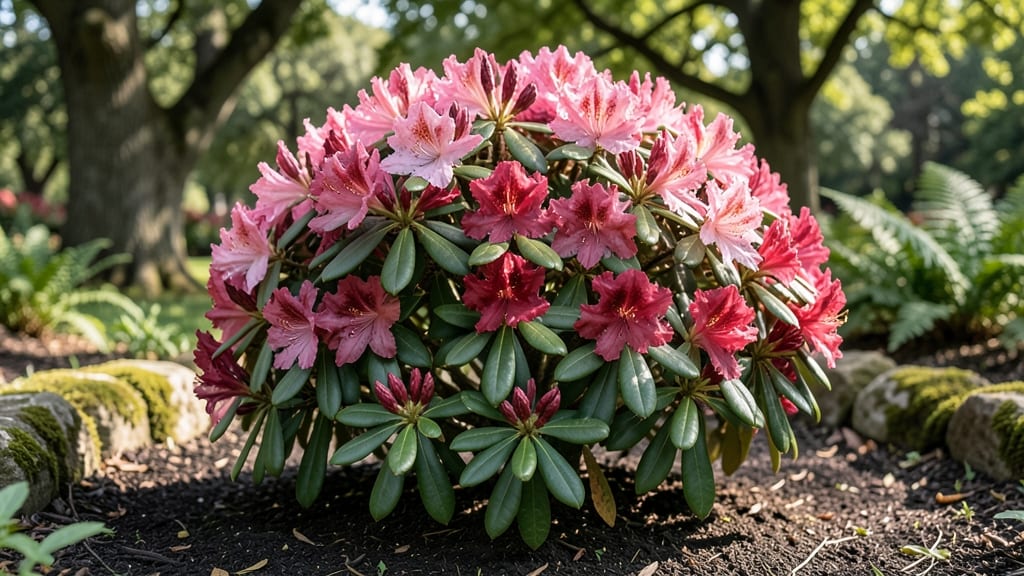
Double bloom azaleas transform your yard into a year-round floral masterpiece. 🌸 These showstopper shrubs pack twice the petals of regular azaleas, but they need the right care to keep blooming like clockwork—starting with acidic soil and morning sun.
I’ve learned the hard way that skipping this step means fewer flowers and more frustration. The secret lies in three key factors: soil pH between 5.0-6.0, consistent moisture without soggy roots, and strategic pruning right after blooming.
My first attempt failed when I pruned too late—now I mark the calendar and never miss it. Even beginner gardeners can nail this with the right routine. By summer’s end, you’ll have lush foliage topped with double-layered blooms that last longer than single varieties.
The fragrance lingers in the air, and neighbors will ask how you do it. The payoff? A shrub that looks like a bouquet all season long. Works for containers too—just pick compact varieties and adjust watering. Here’s how to keep them thriving without the guesswork.
📚 In This Guide
- What you need
- Instructions
- Tips and common mistakes
- Wrapping up and next steps
What you need
- ● Double Bloom Azalea Plants: 3–5 healthy nursery-grown plants (choose varieties like ‘George Taber,’ ‘Girard’s,’ or ‘Hino Crimson’ for reliable double blooms).
- ● Well-Draining Soil: 5–10 bags of acidic, organic potting mix (pH 4.5–6.0) or a blend of peat moss, perlite, and pine bark.
- ● Mulch: 2–3 cubic feet of pine straw or bark chips (to retain moisture and acidity).
- ● Slow-Release Fertilizer: 1–2 lbs of azalea-specific fertilizer (high in iron and micronutrients).
- ● Watering Can or Hose: With a gentle spray nozzle for hydration without damaging blooms.
- ● Garden Trowel or Spade: For digging holes (12–18 inches deep and wide).
- ● Pruning Shears: Sharp, sterilized shears for shaping (prune after blooming season).
- ○ pH Test Kit: Optional but helpful to monitor soil acidity.
- ○ Epsom Salt: 1–2 lbs (optional, for magnesium boosts if leaves yellow).
- ● Decorative Stones or Gravel: For drainage and aesthetic appeal around plants.
Step-by-Step guide to encouraging double blooms in azaleas
Here’s how I coax azaleas into producing lush, repeat blooms—no fancy tricks, just smart care.
🌿 Step 1: Prune at the Right Time for Next Season’s Flowers
Azaleas set flower buds on last year’s growth, so timing matters. Prune right after blooming ends—usually late May to early June—when flowers fade but new leaves are still fresh. Cut back only spent blooms and leggy stems, never more than ⅓ of the plant at once. I use clean, sharp shears to make cuts just above a leaf bud or lateral branch.
This ensures energy goes to next year’s buds instead of repairing damaged stems. If you prune in fall or winter, you’ll trim off next year’s flowers before they form. Watch for new growth at the base—that’s your sign you’ve encouraged a fresh flush of blooms.
☀️ Step 2: Feed with Acid-Loving Fertilizer in Early Spring
Azaleas thrive in acidic soil (pH 4.5–6.0). In early March, before buds swell, apply a slow-release azalea/camellia fertilizer (follow package rates). I scatter granules around the root zone, then water deeply to activate them. Avoid high-nitrogen fertilizers—they boost leaves at the expense of flowers.
Look for bright green, glossy leaves after feeding—that’s your cue the plant’s happy. If leaves yellow or drop, your soil might be too alkaline. Test it with a simple pH kit and amend with sulfur if needed. Mulch with 2–3 inches of pine bark to maintain acidity naturally.
💧 Step 3: Water Deeply and Consistently Through Dormancy
Azaleas hate soggy roots but despise drought. Water 1–2 times per week (more in summer heat) until soil feels moist 6 inches deep. I use a soaker hose to avoid wetting leaves, which can cause fungal issues. In winter, keep roots evenly moist—dry spells stress the plant and reduce next year’s blooms.
Check moisture by sticking your finger in the soil. If it’s dry at 2 inches down, water again. Overwatering causes yellow leaves, while underwatering leads to dropped buds just before flowering. A drip irrigation system on a timer keeps conditions steady without guesswork.
✂️ Step 4: Deadhead and Protect from Late-Season Stress
Remove faded blooms as they drop to redirect energy to new flowers. Snip stems just above the first set of leaves. In late summer, stop fertilizing to let the plant harden off for winter. Azaleas bloom best when they experience cool winter temperatures (below 40°F)—just not freezing.
If buds form but drop before opening, your plant is stressed. Check for aphids or spider mites (spray with neem oil if found) and ensure it’s not in hot, dry wind. A lightweight burlap wrap protects young buds from late frosts. With consistent care, you’ll see repeat blooms in spring and sometimes fall—double the color!
Tips & tricks for double bloom azaleas
These small but mighty adjustments will turn your azaleas into year-round bloomers—no green thumb required.
Timing is Everything: The late May to early June pruning window in Step 1 is non-negotiable for next year's flowers. I learned this the hard way after pruning too early and losing potential buds. If you miss this window, don't panic—just wait until after next year's blooms fade. The key is always pruning after flowers fade but before new growth hardens.
Soil Science Matters: That pH 4.5-6.0 range in Step 2 isn't just a suggestion—it's critical. If your soil tests higher, add sulfur gradually (about 1 pound per 100 square feet) in fall, then retest in spring. For a quick fix, mix coffee grounds into the mulch—they're naturally acidic and provide nitrogen too. Just don't overdo it, or you'll get leaf scorch.
Watering Wisdom: The 1-2 times per week guideline in Step 3 is perfect, but here's the trick: water in the morning so leaves dry quickly and prevent fungal issues. In summer heat, I increase to every other day and check moisture at 2 inches deep—this prevents both underwatering (dropped buds) and overwatering (yellow leaves). A moisture meter makes this foolproof.
Winter Protection Secret: That 40°F threshold in Step 4 is your magic number—cooler than that and buds form, warmer and they stress. For extra protection in cold climates, wrap the entire plant (not just buds) in burlap after the first frost. This creates a microclimate that shields from windburn while still allowing airflow to prevent rot.
Pro Tips for Double Bloom Azaleas
- These small but mighty adjustments will turn your azaleas into year-round bloomers—no green thumb required.
- Timing is Everything: The late May to early June pruning window in Step 1 is non-negotiable for next year's flowers.
- Soil Science Matters: That pH 4.5-6.0 range in Step 2 isn't just a suggestion—it's critical.
Frequently asked questions
Got questions about double bloom azaleas?
You’re not alone! Here are answers to the most common queries to help you grow and enjoy these stunning, repeat-flowering shrubs with confidence.
Why do double bloom azaleas only flower twice a year?
Double bloom azaleas typically flower in spring and again in fall because they follow a natural growth cycle. The first flush of blooms appears on old wood (last year’s growth), while the second bloom comes from new wood (current year’s growth). Pruning at the right time—after the spring bloom—helps encourage both cycles!
When is the best time to plant double bloom azaleas?
The ideal planting window is early fall (4–6 weeks before your first frost) or early spring (before new growth starts). This gives roots time to establish before extreme temperatures. Avoid planting in summer heat or winter frost, as stress can stunt growth. Pro tip: Soak the root ball before planting to reduce transplant shock!
How do I keep my double bloom azalea from getting leaf spot or pests?
Leaf spot (a fungal disease) and pests like lace bugs thrive in wet, humid conditions. To prevent issues:
- Space plants 3–5 feet apart for airflow.
- Avoid overhead watering; use drip irrigation or soaker hoses.
- Remove fallen leaves to reduce fungal spores.
- Apply neem oil or fungicide if you spot yellowing leaves or chewed foliage.
Early intervention is key—don’t wait until blooms are affected!
Can I grow double bloom azaleas in containers?
Yes! Just choose a large pot (15+ gallons) with drainage holes and use acidic potting mix (pH 4.5–5.5). Container-grown azaleas need regular watering (keep soil moist but not soggy) and winter protection (move to a sheltered spot or use burlap wraps). Fertilize lightly in spring and fall with an azalea-specific formula.
What’s the difference between double bloom and single bloom azaleas?
Double bloom azaleas have two sets of petals per flower (creating a fuller, more lush look), while single bloom varieties have one layer of petals. Double blooms also re-flower in fall, whereas single blooms usually only flower once in spring. If you love maximum impact, double blooms are the winner—but they may require slightly more care!
Wrapping up and next steps
Double bloom azaleas aren’t just a gardening trend—they’re a year-round celebration of color and resilience! 🌸 With their two stunning blooms per season and low-maintenance charm, these beauties make gardening effortless and rewarding.
Whether you're a seasoned green thumb or a beginner, they’re the perfect way to add easy elegance to your outdoor space.
Ready to transform your garden? Start small—plant a single double bloom azalea this season and watch your space bloom with joy! 🌿 For more inspiration, explore seasonal care tips or browse our azalea variety guide to find your perfect match.