
Blooming
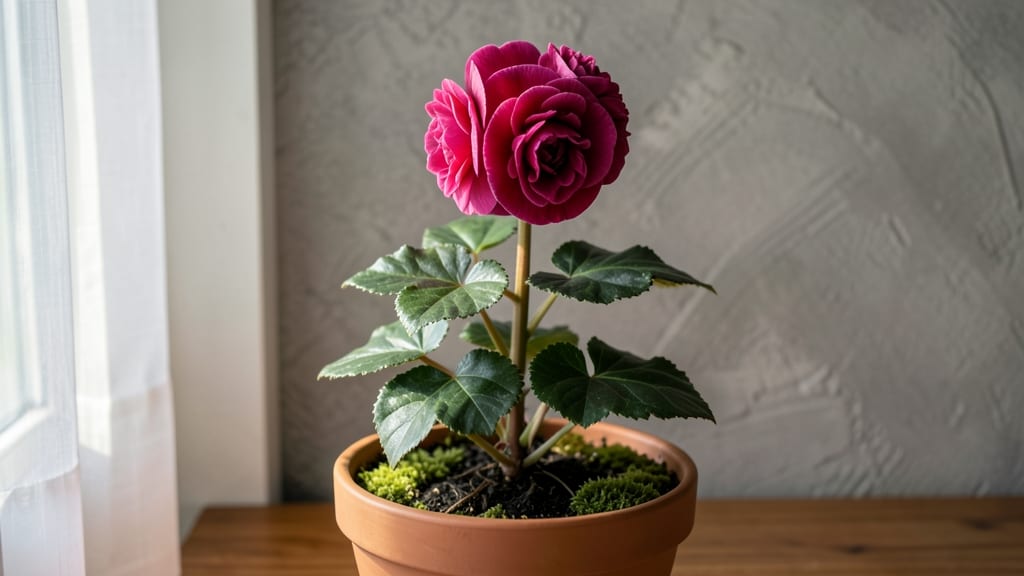
Double bloom begonias burst into second waves of flowers when temperatures climb—something I learned the hard way after my first plants faded early. 🌸 These aren’t your average begonias; they pack two layers of petals and keep blooming longer with the right care, especially in zones 9-11 where heat triggers their magic.
The secret lies in matching their tropical roots with your microclimate, whether that’s a shady patio or a bright indoor spot.
You’ll need well-draining soil (think 50% potting mix + 50% perlite), a spot with morning sun and afternoon shade, and consistent moisture—never soggy roots. Overwatering is the #1 killer, but these plants also hate drying out completely.
Feed them every 4-6 weeks with a balanced fertilizer (10-10-10 works), and watch how they reward you with vibrant, layered blooms that last well past summer’s peak.
Pruning is where the real magic happens: snip spent blooms at the base to encourage new growth, and cut back leggy stems by 1/3 in early summer. My plants now produce continuous blooms from spring through fall, with the foliage staying lush and glossy.
The key is staying ahead of the heat—these begonias tell you when they’re struggling by dropping buds, so adjust water and shade before it happens.
Works equally well in containers, hanging baskets, or garden beds, making them perfect for small spaces or sunny balconies. Once you master the heat-triggered rebloom cycle, you’ll never buy store-bought flowers again—they’re that reliable. Let’s get those double blooms going!
📚 In This Guide
- What you need
- Instructions
- Tips and common mistakes
- Wrapping up and next steps
What you need
- ● Double Bloom Begonia Plant: 1 healthy specimen (ensure it’s labeled as a double-blooming variety like ‘Dragon Wing’ or ‘Nonstop’).
- ● Well-Draining Potting Mix: 1 bag (5–10 quarts) of a peat-free blend with perlite or orchid bark (e.g., 60% potting soil, 30% perlite, 10% compost).
- ● Pot with Drainage Holes: 1 container 1–2 inches larger than the plant’s root ball (10–12 inches in diameter for mature plants).
- ● Balanced Fertilizer: 1 bottle of 10-10-10 or 20-20-20 (water-soluble, organic preferred).
- ● Heat-Triggering Tool: Heat Mat or Grow Light: 1–2 units (adjustable to 75–85°F for reblooming).
- ● Thermometer: 1 digital probe type to monitor soil temp.
- ● Spray Bottle: 1 for misting (begonias love humidity!).
- ● Pruning Shears: 1 pair (sterilized) for deadheading spent blooms.
- ● Humidity Dome: 1 clear plastic cover (temporary, for acclimation).
- ● Mulch: Orchid bark or coconut coir (1–2 cups) to retain moisture.
How to trigger multiple blooms on begonias this season
Here's the method I've used for years to coax extra blooms from begonias—no fancy tricks, just heat management and timing.
🌱 Step 1: Select the Right Variety and Plant at the Right Time
Choose tuberous begonia varieties like 'Nonstop' or 'Dragon Wing'—these are bred for continuous blooms. Plant your tubers 8-10 weeks before your last frost date when soil temperatures reach 65°F or warmer. Cold soil slows root growth, and weak roots mean fewer blooms later.
I always test soil temperature with a thermometer—if it's below 65°F, wait another week. Plant tubers 2 inches deep with the "eyes" (growth points) facing upward. Space them 6-8 inches apart in well-draining soil. Begonias hate soggy roots, so amend heavy soil with 2-3 inches of perlite per hole.
☀️ Step 2: Provide Bright, Indirect Light and Consistent Heat
Begonias crave morning sun and afternoon shade—think dappled light under trees, not harsh midday rays. In containers, rotate pots quarter-turn weekly so all sides get even light. Without enough light, stems stretch and blooms shrink. You'll see leggy growth when plants lean toward the light—time to move them.
Keep soil temperatures between 70-75°F during the day. A black plastic mulch over the soil helps retain heat. In cooler zones, use heat mats under containers. Begonias bloom best when roots stay warm—this triggers the heat-sensitive flowering genes that produce extra buds.
💧 Step 3: Water Deeply and Fertilize for Continuous Blooms
Water deeply every 2-3 days until the top 2 inches of soil feel dry. Begonias store water in their leaves, but they still need consistent moisture. I use a soaker hose to avoid wetting foliage—wet leaves invite fungal diseases like powdery mildew, which kills blooms fast.
Feed plants every 4-6 weeks with a balanced 10-10-10 fertilizer diluted to half-strength. Switch to a low-phosphorus, high-potassium formula (like 5-10-15) once buds form. This shift encourages more blooms instead of just leafy growth. Stop fertilizing 6 weeks before first frost—you want roots to harden, not keep pushing new growth.
✂️ Step 4: Deadhead and Prune for More Blooms
Remove spent blooms every 3-4 days by pinching them off just above the next set of leaves. This redirects the plant's energy from seed production to making new buds. I use clean, sharp scissors to avoid tearing stems—ragged cuts invite disease.
Prune leggy stems back by one-third in early summer to encourage bushier growth. Cut just above a leaf node (the bump where leaves attach). You'll see new side shoots emerge within 7-10 days—these hold the next round of blooms. Avoid heavy pruning after mid-August, or you'll delay fall blooms.
⏰ Step 5: Prepare for Winter and Next Season's Blooms
When frost threatens, dig up tubers before temperatures drop below 40°F. Shake off soil and let them dry in a shady, dry spot for 2-3 days. Store tubers in dry peat moss or vermiculite in a cool, dark place (50-60°F). Check monthly—discard any that rot or shrivel.
In spring, repot tubers in fresh potting mix and resume care. The key to multiple blooms? Consistent heat and light. Begonias remember their environment—give them the right conditions, and they'll reward you with nonstop color all season.
Tips & tricks for perfect double bloom begonias
Here's what nobody tells you about getting begonias to bloom like crazy—these are the secrets that turn good plants into showstopping powerhouses.
The Heat Factor: Those soil temperature ranges (65°F-75°F) aren't just numbers—they're the magic window for triggering blooms. I've seen begonias in containers bloom prolifically on heat mats set to 75°F, while the same plants in cooler soil produced just leaves. For container growers, place pots on a black plastic tray in full sun to boost soil temps by 5-10°F. In cooler climates, consider a mini greenhouse or cold frame during spring planting to jumpstart growth.
Light Strategy: The morning sun/afternoon shade rule is non-negotiable, but here's the pro move: use 30% shade cloth during peak afternoon sun (1-4 PM) in hot zones. This prevents leaf scorch while still giving enough light for blooms. I've seen begonias in Zone 9 completely shut down blooming when exposed to harsh afternoon rays—shade cloth saved them. Rotate containers weekly to prevent lopsided growth from leaning toward light sources.
Fertilizer Timing: The switch to low-phosphorus, high-potassium (5-10-15) at bud stage is crucial, but here's the detail most miss: apply this fertilizer only after you see color changes in the leaves—that's when plants are ready to shift energy to blooms. I've ruined multiple batches by fertilizing too early. Also, always water thoroughly before applying fertilizer to prevent root burn, especially with concentrated formulas.
Winter Storage Wisdom: That 50-60°F storage range for tubers isn't just about preventing rot—it's about maintaining dormancy without killing the plant. I store mine in paper bags with a few holes punched in, buried in a cool basement corner (never the fridge). The paper mimics natural humidity while allowing airflow. Check monthly by gently squeezing—if they feel mushy, they're rotting; if they're rock hard, they're too dry. The perfect tuber should feel like a slightly deflated balloon.
Pro Tips for Double Bloom Begonia
- Here's what nobody tells you about getting begonias to bloom like crazy—these are the secrets that turn good plants into showstopping powerhouses.
- The Heat Factor: Those soil temperature ranges (65°F-75°F) aren't just numbers—they're the magic window for triggering blooms.
- Light Strategy: The morning sun/afternoon shade rule is non-negotiable, but here's the pro move: use 30% shade cloth during peak afternoon sun (1-4 PM) in hot zones.
Frequently asked questions
Got questions about coaxing those stunning double blooms from your begonias? Here are some of the most common ones—and their answers!
Why won’t my double bloom begonia rebloom?
Double bloom begonias often need a heat trigger—like consistent temps above 75°F (24°C) for 6+ weeks—to kickstart reblooming. Check for light (bright, indirect), water (keep soil moist but not soggy), and fertilizer (balanced liquid feed every 2–4 weeks during bloom season). If it’s still sluggish, it might need a prune to encourage new growth!
How long does it take for double blooms to appear after heat treatment?
Patience pays off! With ideal conditions (heat + humidity), you’ll typically see buds form in 4–6 weeks and blooms open in 6–8 weeks. Track your plant’s progress with a journal—note when you adjusted temps or fertilized. Pro tip: Use a grow light if natural light is weak, especially in cooler zones.
Can I grow double bloom begonias in containers outdoors?
Just choose a well-draining pot (10"+ diameter) and move it to partial shade (morning sun, afternoon shade). In colder zones, overwinter indoors (60–70°F) to preserve the plant. Bonus: Container-grown begonias heat up faster, which can speed up reblooming—just monitor soil moisture closely!
What should I do if my begonia’s leaves turn yellow?
Yellow leaves usually signal overwatering or nutrient deficiency. Let the top inch of soil dry out between waterings, and flush the pot with water to remove excess salts. Feed with a balanced fertilizer (like 10-10-10) every 4 weeks. If only lower leaves yellow, it’s likely natural aging—prune them off to redirect energy to blooms!
Are there alternatives to double bloom begonias for heat-loving blooms?
If you love heat-triggered blooms, try these low-maintenance picks:
- Angel Wing Begonia – Thrives in heat, produces bi-color blooms.
- Fuchsia – Reblooms with warmth and bright, dangling flowers.
- Impatiens – Heat-tolerant and prolific bloomer (great for shade gardens).
- Coleus – Not a bloomer, but heat-loving foliage with vibrant colors.
Each has unique care needs, so pick based on your light and humidity setup!
Wrapping up and next steps
Double bloom begonias are a showstopper for gardeners who love vibrant, repeat blooms—especially when heat triggers their second flush! With the right care, these beauties can reward you with two seasons of color in one.
Whether you’re a seasoned plant parent or a curious beginner, these heat-loving gems prove that patience and a little know-how go a long way.
Ready to unlock their full potential? Start by observing your plant’s cues—adjust watering, prune strategically, and shield them from harsh afternoon sun. Then, share your success (or blooming bloopers!) with fellow plant enthusiasts. Happy gardening—your begonias are waiting to bloom again! 🌸💚