
Blooming
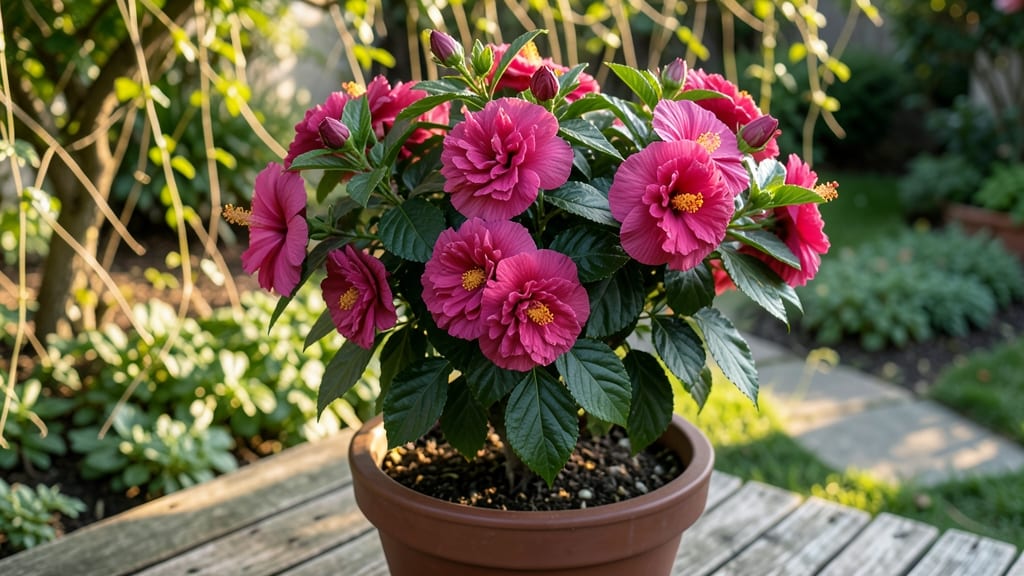
Double bloom hibiscus plants turn my summer garden into a vibrant tropical paradise with almost no effort. 🌺 The secret lies in understanding their light, soil, and pruning needs—once you get it right, these plants reward you with year-round blooms that look like they belong in a greenhouse, not your backyard.
I learned the hard way that most guides overcomplicate care: you don’t need fancy fertilizers or constant deadheading. A simple morning watering routine, well-draining soil, and one strategic pruning session in late winter are all it takes.
My first double bloom hibiscus now produces continuous flowers from spring through fall with minimal maintenance. The payoff is worth the small effort: bold, dinner-plate-sized blooms in every shade from crimson to blush pink, with petals so thick they feel like velvet.
You’ll spend more time admiring them than fussing over them—and that’s the whole point. Works beautifully in USDA Zones 7-11, though container growers in cooler climates can bring them indoors for winter. Here’s how to set yours up for nonstop blooming without the headaches.
📚 In This Guide
- What you need
- Instructions
- Tips and common mistakes
- Wrapping up and next steps
What you need
- ● Double Bloom Hibiscus Plants: 1-3 nursery-grown plants (choose disease-resistant varieties like 'Dwarf Red' or 'Lilac' for best results).
- ● Well-Draining Soil: 1 bag (50 lbs) of peat-based or coconut coir mix (pH 6.0-6.5) or amend garden soil with compost (2-3 gallons per plant).
- ○ Containers (Optional but Recommended): 1-3 12-18" pots with drainage holes (for patio/container growing).
- ● Gravel or perlite (1-2 cups) for drainage layer.
- ● Fertilizer: 1 slow-release granular fertilizer (10-10-10 or 8-3-9 blend, 1 tbsp per plant).
- ● Liquid bloom booster (e.g., fish emulsion, 1 tbsp per gallon of water, applied monthly).
- ● Mulch: 1 bag pine bark or straw mulch (2-3 inches thick) to retain moisture.
- ● Gloves & Pruners: 1 pair gardening gloves + bypass pruners (sterilized with rubbing alcohol).
- ● Watering Can or Hose: Drip irrigation or soaker hose (for consistent moisture).
- ○ Staking (Optional): 1-2 bamboo stakes or plant ties (if growing in windy areas).
- ● Sunlight Access: Full sun (6+ hours daily)—partial shade may reduce blooms.
- ● Hardiness Zone: USDA Zones 9-11 (or grow in containers to overwinter indoors).
- ● 💡 Test your soil—hibiscus thrives in slightly acidic soil (pH 6.0-6.5). Use a soil test kit if unsure.
- ● 🌡️ Avoid cold drafts—double bloom hibiscus hates temperatures below 40°F. Move pots indoors or use a frost cloth in cooler climates.
- ● 🎯 Deadhead lightly—only remove spent blooms (not buds!) to encourage more flowers.
Step-by-Step instructions for cultivating double bloom hibiscus
Here's how to coax those stunning double blooms year after year with less fuss than you'd expect.
🌱 Step 1: Select the Right Variety and Planting Site
Choose a double bloom hibiscus variety like 'Dwarf Red', 'Lilac Gem', or 'Pink Giant'—these are bred specifically for their abundant, layered petals. The key to double blooms lies in proper light exposure: plant in a location with full sun (6-8 hours daily) and well-draining soil. Hibiscus roots hate soggy feet, so amend heavy clay with 2-3 inches of compost before planting.
Dig a hole twice as wide as the root ball but only as deep as the container's base. This encourages outward root growth, which supports more blooms. Water deeply before planting to settle the soil around roots—you'll know it's right when moisture reaches 6 inches down. If your climate dips below 40°F, wait until spring to plant; hibiscus are tropical and sensitive to cold.
☀️ Step 2: Provide Consistent Light and Fertilization
Double blooms demand bright, direct light—no compromise. If your hibiscus starts producing fewer double flowers, it's likely stretching toward light. Rotate the plant quarter-turn weekly to encourage even growth. In containers, move them to follow the sun's arc across your yard or patio.
Feed every 2-3 weeks during growing season (spring through fall) with a balanced, water-soluble fertilizer (10-10-10) diluted to half-strength. The secret to double blooms? Phosphorus—it's the middle number that boosts flower production. I switch to a low-nitrogen, high-phosphorus formula (5-10-5) once buds form to encourage more blooms rather than foliage. Always water thoroughly after fertilizing to prevent root burn.
💧 Step 3: Master the Watering Routine for Continuous Blooms
Hibiscus thrive on consistent moisture but despise soggy conditions. Water when the top 2-3 inches of soil feel dry—stick your finger in to check. In containers, this might mean every 2-3 days in summer heat, while in-ground plants may only need weekly watering. The goal is to keep roots hydrated without waterlogging; hibiscus drop buds when their roots suffocate.
Mulch around the base with 2-3 inches of organic mulch to retain moisture and regulate soil temperature. This also prevents weeds from competing for nutrients. I avoid mulching right up against the stem—keep it 2 inches away to prevent rot. During heatwaves, hibiscus may wilt slightly in the afternoon; this is normal as long as they perk up by morning.
✂️ Step 4: Strategic Pruning for More Double Blooms
Prune hibiscus right after flowering to encourage a second flush of blooms. Cut back one-third of the oldest stems to the nearest leaf node, making cuts at a 45-degree angle just above a leaf or bud. This redirects energy to new growth, which produces more flower buds. Avoid heavy pruning in fall—it removes next year's blooms.
For container-grown hibiscus, prune leggy stems by pinching back the tips when they reach 12-18 inches tall. This forces bushier growth and more blooms. Deadhead spent flowers only if they're single-petaled—double blooms often self-clean, dropping naturally when they fade. The exception? If a double bloom stays on the plant too long, it can signal over-fertilization with nitrogen.
⏰ Step 5: Overwintering for Year-Round Double Blooms
In colder climates, protect hibiscus by digging up container plants or wrapping in burlap and moving to a garage or shed where temperatures stay 40-50°F. Keep them slightly dormant by reducing water and fertilizer, but don't let soil dry out completely. In-ground plants need 4-6 inches of mulch over the root zone to insulate roots.
Resume normal care in spring when nighttime temperatures stay above 50°F. Prune lightly to remove any dead or damaged growth, then fertilize with a half-strength bloom booster. Hibiscus reward patience—with proper overwintering, you'll see double blooms return stronger each season. The first flush of flowers after dormancy is always the most dramatic.
Tips & tricks for perfect double bloom hibiscus
Here's what nobody tells you about getting those lush, layered petals year after year without the fuss.
Light Exposure is Non-Negotiable: In Step 1, those 6-8 hours of full sun are critical—not just for growth, but for triggering the genetic potential of double bloom varieties. I've seen hibiscus in partial shade produce single blooms no matter how well fertilized. If your garden has afternoon shade, consider a moveable pot or a reflective surface nearby to bounce light back onto the plant. The goal is to mimic tropical sunlight patterns where these varieties thrive naturally.
Soil Moisture Balance is Everything: The top 2-3 inches dry test in Step 3 is your best friend, but here's the trick: hibiscus roots need consistent moisture, not soggy conditions. I use a moisture meter in containers—when it reads between 40-50% moisture, that's the sweet spot. Overwatering causes root rot, which is why the instructions specify well-draining soil and that 6-inch deep watering before planting. If you notice buds dropping, it's often a sign of waterlogging rather than drought.
Fertilizer Timing Makes All the Difference: The switch to 5-10-5 formula once buds form in Step 2 is crucial because phosphorus (that middle number) directly stimulates flower production. I've learned this the hard way—using regular 10-10-10 too late results in leafy growth but fewer blooms. Pro tip: Apply fertilizer in the morning so the plant has the whole day to absorb nutrients before evening. And always water thoroughly after—this prevents fertilizer burn that can stress the plant and cause bud drop.
Pruning Precision Pays Off: When you're pruning those one-third of oldest stems in Step 4, focus on making clean cuts at a 45-degree angle just above a leaf node. This isn't just about aesthetics—it's about redirecting the plant's energy. I've found that container hibiscus respond beautifully to pinching back leggy stems at 12-18 inches, but avoid pruning when buds are already forming. The goal is to encourage bushier growth that supports more flower buds, not to stimulate new foliage at the expense of blooms.
Pro Tips for Double Bloom Hibiscus
- Here's what nobody tells you about getting those lush, layered petals year after year without the fuss.
- Light Exposure is Non-Negotiable: In Step 1, those 6-8 hours of full sun are critical—not just for growth, but for triggering the genetic potential of double bloom varieties.
- Soil Moisture Balance is Everything: The top 2-3 inches dry test in Step 3 is your best friend, but here's the trick: hibiscus roots need consistent moisture, not soggy conditions.
Frequently asked questions
Got questions about keeping your double bloom hibiscus thriving? You’re not alone! Here are answers to the most common queries—from blooming secrets to troubleshooting tips.
Why isn’t my double bloom hibiscus flowering?
Double bloom hibiscus often needs a balance of sunlight (6+ hours daily), proper fertilization (high in phosphorus), and regular pruning to encourage new growth. Check for overwatering, which can stress roots and delay blooms. If it’s winter, it may be dormant—patience is key!
How often should I deadhead double bloom hibiscus?
Deadhead faded blooms every 2–3 days during peak season to encourage more flowers. Use clean pruners and cut just above a leaf node. Pro tip: If blooms are sparse, trim back leggy stems by ⅓ to stimulate bushier growth.
Can double bloom hibiscus survive winter outdoors?
Most varieties are tropical and need winter protection. In cold climates (<30°F), mulch heavily, wrap the pot, or move potted plants indoors. Hardy types (like ‘Arctic Sun’) tolerate light frost but still benefit from a cozy blanket of leaves or burlap.
What’s the best fertilizer for double bloom hibiscus?
Use a balanced, water-soluble fertilizer (10-10-10 or 20-20-20) every 2–4 weeks during spring/summer. For extra blooms, switch to a high-phosphorus formula (5-10-5) in late spring. Flush soil monthly to prevent salt buildup.
How do I treat pests like aphids or spider mites?
Start with a strong spray of water to dislodge pests. For stubborn infestations, use neem oil or insecticidal soap (follow label rates). Prevent future issues by keeping plants healthy—stress attracts pests! Check undersides of leaves regularly.
Can I grow double bloom hibiscus in containers?
Choose a large pot (15+ gallons) with drainage holes and well-draining soil. Container plants need frequent watering (daily in heat) and regular feeding. Rotate pots for even sunlight exposure to prevent lopsided growth.
Wrapping up and next steps
Growing double bloom hibiscus is a rewarding journey that brings year-round color with minimal effort—perfect for gardeners who love bold, vibrant flowers! 🌸 With the right soil, sunlight, and a little care, you can enjoy stunning blooms that last longer than traditional varieties.
Whether you're a beginner or a seasoned plant enthusiast, these tips make it simple to cultivate a thriving hibiscus garden.
Now that you’re equipped with the knowledge, why not take the next step? Start with one plant, experiment with pruning techniques, or even share your progress with fellow gardeners. Your double bloom hibiscus could be the star of your outdoor space—go ahead and make it happen!