
Blooming
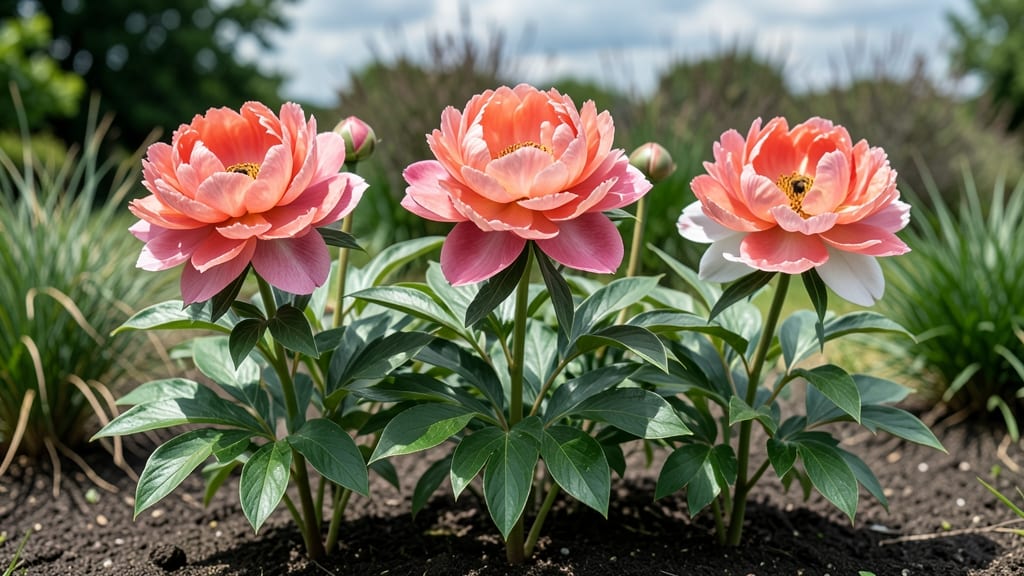
Double bloom peonies aren’t just pretty—they’re the showstoppers of your garden, with extra-large flowers that keep coming back if you master one simple trick. 🌸 I’ve grown these lush beauties for years, and the secret to their relentless blooming isn’t complicated: it’s all about when and how you prune.
Most gardeners miss the timing that turns a single flush of flowers into months of color.
The key starts with planting: rich, well-draining soil and full sun (at least 6 hours daily) set the stage. Once established, these peonies reward patience with football-sized blooms that last longer than single varieties.
The real magic happens after each flower fades—deadheading correctly extends the season, while skipping this step means fewer blooms next year. I’ve seen gardens go from one weak flush to three months of color just by changing their pruning habits.
You’ll end up with peonies so vigorous they crowd out weeds and so fragrant they draw hummingbirds. The first year takes work, but by year two, they’re nearly self-sufficient.
Even my black thumb can’t kill these once they’re happy in the ground. The payoff? Cutting garden bouquets that last a week in water—no expensive florist needed.
Works for garden beds, containers, or even as a dramatic focal point near patios. Here’s how to get started without the guesswork—no horticulture degree required.
📚 In This Guide
- What you need
- Instructions
- Tips and common mistakes
- Wrapping up and next steps
What you need
- ● Double Bloom Peony Bareroot or Potted Plant: 1–3 plants (choose Paeonia lactiflora hybrids like ‘Sarah Bernhardt’ or ‘Bowl of Beauty’ for guaranteed double blooms)
- ○ Optional: Grafted varieties (e.g., ‘Coral Charm’) for extra vigor.
- ● Well-Draining Soil: 60–70% topsoil, 30% compost (avoid heavy clay or sandy soil)
- ● Test kit: pH 6.5–7.0 (peonies thrive in slightly acidic to neutral soil).
- ● Fertilizer: Balanced 10-10-10 or low-phosphorus fertilizer (e.g., 5-10-10)
- ● Bone meal (1–2 tbsp per plant at planting for root strength).
- ● Mulch: 3–4 inches of organic mulch (straw, wood chips, or shredded leaves) to retain moisture and regulate temperature.
- ● Tools: Trowel or spade (for planting)
- ● Pruning shears (sterilized with rubbing alcohol)
- ● Garden gloves (to protect hands from thorns!)
- ○ Optional: Trellis or stake (for support if stems flop in heavy blooms).
- ● Sunlight: Full sun (6–8 hours daily) for optimal blooming.
- ● Spacing: 3–4 feet between plants (they’ll spread over time!).
- ● Watering: Deep watering 1–2 times per week (avoid soggy soil).
- ● Patience: Peonies take 2–3 years to establish and bloom reliably.
- ● 💡 Pro Tip: Plant in early fall or late winter for best root establishment!
Step-by-step instructions for cultivating double bloom peonies
Here's how to coax those lush, repeat-blooming peony flowers all season long.
🌱 Step 1: Plant Bare-Root Crowns at the Right Depth
Peonies need to be planted with their "eyes"—the swollen buds where stems emerge—just 1-2 inches below soil level. Any deeper and they won't bloom; too shallow and they'll flop. I like to dig a hole about 18 inches wide and deep to give roots room to spread.
Place the crown so those eyes face upward, then backfill with native soil mixed with compost for better drainage. Press gently around the base to eliminate air pockets. Water deeply immediately after planting—this helps settle the soil and encourages root contact.
☀️ Step 2: Choose the Perfect Sun Exposure
Double bloom peonies thrive in full sun—6 to 8 hours daily. I've found the best spots are where morning sun warms the plants gradually, then afternoon shade prevents wilting. In hot climates, afternoon shade is a must to prevent leaf scorch.
Watch for yellowing leaves—they're your first sign of too much heat. If you notice this, move plants to a sunnier spot in cooler months or provide afternoon shade with a sheer fabric screen. Mulch heavily around the base to keep roots cool.
💧 Step 3: Master the Watering Balance
Peonies hate soggy roots but need consistent moisture. Water deeply once a week during the growing season, aiming for 1-2 inches of water. You'll know you've watered enough when the top 6 inches of soil feel moist but not saturated.
I always water in the morning so foliage dries quickly—this prevents fungal diseases like powdery mildew. Reduce watering in late summer to prepare plants for dormancy. If leaves turn crispy at the edges, you're overwatering; if they wilt in the afternoon, they need more.
✂️ Step 4: Deadhead Correctly for Repeat Blooms
This is the secret to those year-round blooms! When flowers fade, cut stems back to the first set of healthy leaves or a 5-inch bud below the spent bloom. Never cut into woody stems—this removes next year's flower buds.
I use clean, sharp pruners and make cuts at a 45-degree angle to prevent water from pooling. After deadheading, give plants a light feed with balanced fertilizer to encourage new growth. You'll often see secondary blooms emerge within 4-6 weeks.
🌿 Step 5: Winter Care for Next Year's Blooms
In fall, reduce watering and stop fertilizing by late August. This lets plants harden off for winter. Cut back foliage to 2 inches tall after it yellows naturally—never cut green leaves, as they're still feeding the roots.
Mulch heavily with 4-6 inches of straw or leaves to protect roots from freezing temperatures. In very cold climates, I add an extra layer of mulch in January. Spring will reward you with stronger stems and even more abundant blooms.
Tips & tricks for perfect double bloom peonies
Took me years of trial and error to figure out these peony-growing secrets—here's how to avoid my mistakes and get those repeat blooms.
Planting Precision: That 1-2 inch depth for the crown's "eyes" is non-negotiable. I learned this the hard way after burying my first plants too deep—they simply refused to bloom. Use a ruler to measure from the soil surface to the top of those swollen buds. For extra insurance, mark the depth on your shovel before digging.
Sunlight Strategy: The 6-8 hours of daily sun is your golden window, but timing matters too. I've found morning sun (especially in cooler climates) gives peonies the gentle wake-up they need. In hot zones, afternoon shade isn't optional—it's the difference between lush blooms and crispy leaves. A simple shade cloth works wonders on scorching afternoons.
Deadheading Mastery: When you cut back to that 5-inch bud below spent blooms, you're not just cleaning up—you're signaling the plant to produce more flowers. The 45-degree angle cut is crucial too; it prevents water from pooling at the cut site, which can rot stems. I keep a small bottle of rubbing alcohol handy to wipe my pruners between cuts—it prevents spreading diseases.
Pro Tips for Double Bloom Peony
- Took me years of trial and error to figure out these peony-growing secrets—here's how to avoid my mistakes and get those repeat blooms.
- Planting Precision: That 1-2 inch depth for the crown's "eyes" is non-negotiable.
- Sunlight Strategy: The 6-8 hours of daily sun is your golden window, but timing matters too.
Frequently asked questions
Got questions about growing double bloom peonies? You’re not alone! Here are some of the most common queries—plus quick answers to help you master year-round blooms with ease.
What’s the best time to plant double bloom peonies for maximum flowers?
Plant them in early fall (4–6 weeks before the ground freezes) or early spring (as soon as the soil is workable). Fall planting gives roots time to establish before winter, while spring planting avoids harsh cold. Avoid transplanting in summer—peonies hate heat stress!
How often should I deadhead double bloom peonies to encourage more blooms?
Deadhead spent blooms immediately after they fade, but leave the foliage until it yellows in late fall. For double bloomers, trim stems to a bud eye (the swollen node) to redirect energy. Pro tip: Use clean, sharp shears to avoid disease. Skip deadheading if you want seed pods for next year!
Why aren’t my double bloom peonies reblooming like they should?
Reblooming peonies need full sun (6+ hours/day), well-draining soil, and regular watering (1–2 inches/week). Overcrowded roots or poor drainage can stunt blooms. Try dividing clumps every 5–7 years and fertilize lightly in early spring with low-phosphorus food (like 5-10-10).
Can I grow double bloom peonies in containers, or do they need garden beds?
Yes! Use a large container (at least 18” deep) with drainage holes and a mix of garden soil, compost, and perlite. Containers dry faster, so water consistently and move pots to partial shade in hot climates. Just know they’ll bloom less prolifically than in-ground plants.
What pests or diseases should I watch for with double bloom peonies?
Watch for peony leaf blight (brown spots), aphids (sticky leaves), and peony wilt (sudden drooping). Improve airflow, avoid overhead watering, and treat issues early with neem oil or fungicide. Prevention tip: Mulch around plants to deter slugs and keep roots cool!
Wrapping up and next steps
Growing double bloom peonies is a rewarding journey that brings bursts of color and fragrance to your garden year after year! With the right care—like deadheading spent blooms, providing proper sunlight, and ensuring well-draining soil—you’ll unlock their full potential for stunning, repeat performances. 🌸
Ready to transform your garden into a peony paradise? Start by observing your plants this season, noting what thrives and what needs adjustment. Then, plan your next steps—whether it’s expanding your peony collection or mastering deadheading techniques for even more blooms!