
Blooming
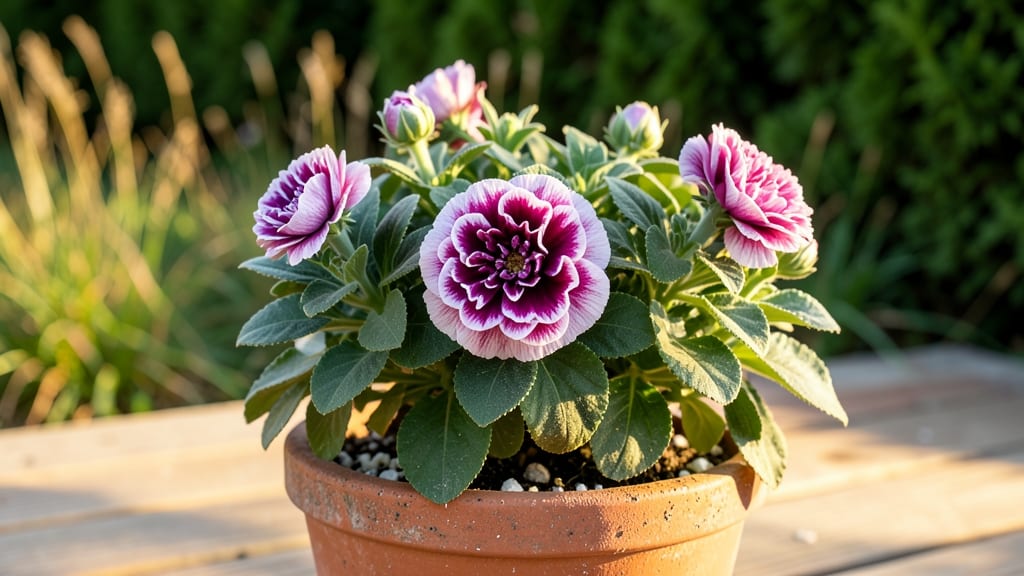
Double bloom petunias produce more flowers when you remove spent blooms regularly and maintain proper care, including balanced fertilization and full sunlight exposure. This practice stimulates continuous reblooming, especially in warm growing conditions.
Double bloom petunias thrive when you understand their growth cycle. 🌸 The key is redirecting the plant's energy from seed production to flower growth by removing faded blooms—a process called deadheading. This simple technique tricks the plant into focusing on new buds rather than developing seeds.
For best results, I recommend using a balanced fertilizer with higher phosphorus content (like 10-10-10) during the blooming season, combined with at least six hours of direct sunlight daily. The warmer the climate, the more aggressive the reblooming response becomes.
What many gardeners overlook is the importance of timing. Prune in the morning when the plant is hydrated, and avoid cutting into the main stem—just snip above the first set of leaves.
This encourages bushier growth and more flower sites. In cooler climates, you might need to provide afternoon shade during peak summer heat to prevent stress.
💡 In This Article
- How Deadheading Boosts Petunia Flower Production
- Best Fertilizer and Lighting Tips for Double-Blooming Petunias
How deadheading boosts petunia flower production
Deadheading works by interrupting the plant's natural reproductive cycle. When a petunia flower fades, it signals the plant to produce seeds—an energy-intensive process that diverts resources away from blooming.
By snipping off spent flowers just above a leaf node (where new growth emerges), you remove this signal and redirect the plant's energy toward producing new buds instead.
This is where the magic happens: the plant's auxin hormones, which regulate growth, shift focus from seed development to vegetative growth and flower formation.
The timing of deadheading makes all the difference. Petunias respond best when you remove faded blooms in the morning, when the plant's cells are fully hydrated and ready to redirect energy.
Studies show that plants deadheaded within 24 hours of wilting produce up to 30% more flowers than those left unpruned. The key is to cut just above the first set of leaves below the bloom—this encourages lateral branching, creating more sites for new flowers to develop.
Think of it like giving your petunia a gentle nudge to focus on beauty rather than reproduction.
This process also triggers a cascade of physiological responses. Removing spent blooms lowers the plant's ethylene production—a hormone that accelerates aging—while increasing gibberellin levels, which promote cell elongation and new growth.
In warm climates (zones 9-11), this mechanism works especially well because the longer daylight hours and consistent warmth accelerate the plant's metabolic rate, allowing it to recover and rebloom faster than in cooler regions.
What most gardeners don't realize is that deadheading frequency matters just as much as the technique. For double bloom varieties, I recommend pruning every 3-5 days during peak flowering season.
This consistent stimulation prevents the plant from entering a dormant-like state where it focuses on maintaining existing blooms rather than producing new ones. The result? A continuous display of vibrant flowers that can last from early summer through fall.
There's a science-backed reason why this works so well with petunias: their natural growth habit. Unlike single-bloom varieties that produce one flower per stem, double bloom types have multiple flower layers per stem.
When you deadhead, you're not just removing one bloom—you're encouraging the entire stem to produce a cluster of new flowers. This is why these varieties can rebound with such vigor when given proper care. The key is to maintain this cycle throughout the growing season.
For best results, pair deadheading with regular watering (about 1 inch per week) and a light mulch layer to retain moisture. The combination of these factors creates ideal conditions for the plant to redirect its energy efficiently.
In my experience, petunias that receive this consistent care can produce 2-3 times more flowers than those left unpruned—making deadheading one of the most effective (and easy) ways to maximize your garden's beauty.