
Blooming
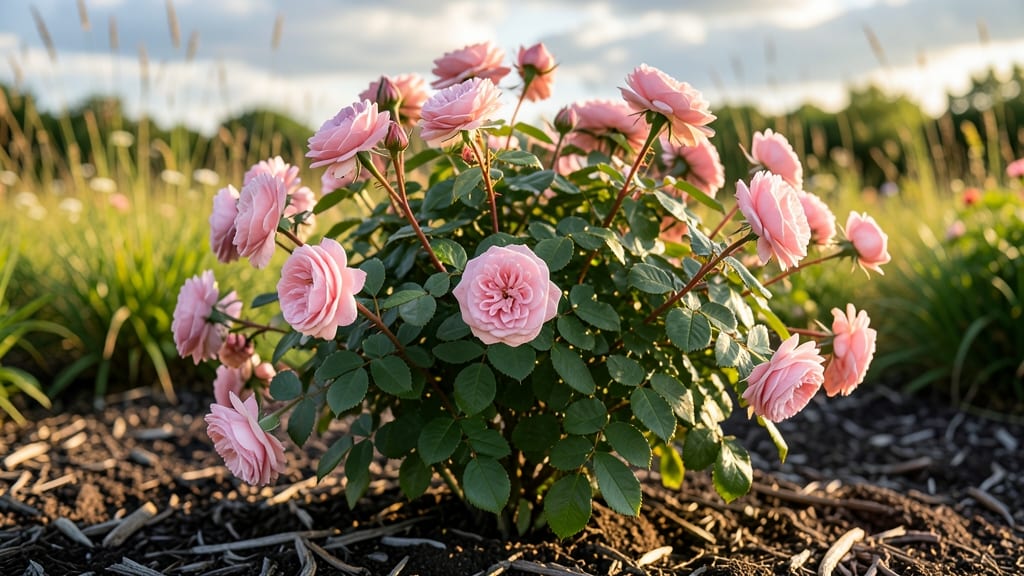
Drift roses bloom when the heat hits just right—think late June through October, when the air feels thick with summer. 🌸 I’ve watched mine transform from lush green bushes into cascading clouds of color, and the timing always surprises first-timers.
These roses don’t follow the usual spring bloom schedule; they wait for warm soil and steady temperatures before putting on their show. The exact timing depends on where you live—coastal areas might see blooms start in early July, while inland zones can kick off as early as June.
Varieties like ‘Drift Rose’ and ‘Knock Out’ roses thrive in heat, but late frosts or sudden cold snaps can delay their debut. That’s why I always check the forecast before planting: a little extra warmth means earlier blooms and a longer display.
Once they start, you’ll get nonstop color for months, with new buds forming even as old ones fade. The secret to extending their season? Pruning lightly after the first flush of blooms and keeping them well-watered during dry spells.
I’ve had mine flowering well into November with just a little extra care. Plan your garden around their peak—plant heat-loving companions nearby, like lavender or salvia, to keep the color party going all summer.
And if you’re itching to enjoy them sooner, choose early-blooming varieties or give them a head start in a sunny, sheltered spot.
📚 In This Guide
- What you need
- Instructions
- Tips and common mistakes
- Wrapping up and next steps
What you need
- ● Drift roses plants: Choose heat-tolerant varieties like Knock Out® roses or Dr. Huey. Purchase 3-5 plants for optimal coverage, depending on your garden size.
- ● Well-draining soil: Mix 50% garden soil with 30% compost and 20% perlite or coarse sand to improve aeration and drainage.
- ● Organic fertilizer: Use a balanced, slow-release fertilizer (10-10-10 or 5-5-5), applying 1-2 lbs per 100 sq ft at planting time.
- ● Mulch: 2-3 inches of organic mulch (e.g., shredded bark or straw) to retain moisture and regulate soil temperature.
- ● Watering can or hose: With a gentle spray nozzle to avoid damaging delicate blooms.
- ● Pruning shears: Bypass pruners with sharp, clean blades for trimming dead or overgrown branches.
- ● Gloves: Heavy-duty gardening gloves to protect your hands from thorns and dirt.
- ● Sunlight: A location with full sun (6+ hours daily)—critical for heat-triggered blooming!
- ● Rose food: A liquid bloom booster (e.g., fish emulsion or seaweed extract) for an extra color pop during peak bloom.
- ● Drip irrigation system: Automates watering and ensures consistent moisture, especially during heatwaves.
- ● Rose-specific fungicide: Copper-based or neem oil spray to prevent black spot or powdery mildew.
- ● Stakes or cages: For varieties that need support (e.g., climbing drift roses). Choose galvanized metal or sturdy plastic.
- ● Soil thermometer: To monitor soil temperature (ideal range: 60-75°F for optimal blooming).
How to time Drift roses for heat-triggered, prolonged blooms
Here’s how I coax my Drift roses into their famous nonstop flowering cycle—by reading their heat cues.
🌱 Step 1: Plant in Late Spring After Frost
Drift roses bloom best when planted after your last frost date, when soil temperatures reach at least 60°F. I wait until mid-May in my zone, even if the air is still cool—cold soil stunts root growth. Plant at the same depth as the container, with the graft union 2-3 inches below soil level to protect it from winter cold later.
Space plants 3-4 feet apart—they’ll spread wider than you think. The key is well-draining soil: mix in 2-3 inches of compost into the planting hole, but avoid heavy amendments that keep roots soggy. Water deeply right after planting to settle the soil and eliminate air pockets around roots.
☀️ Step 2: Monitor Heat Triggers for First Buds
Drift roses respond to three consecutive days of 75°F+ temperatures to trigger their first flush of blooms. I check my local weather app daily—once temps hit that threshold, I fertilize with a balanced rose food (10-10-10) to fuel bud development. You’ll see tiny pink buds form within 2-3 weeks of that heat spike.
Here’s the thing—if temps drop below 55°F after buds form, they’ll blacken and fall off. I’ve learned to cover plants with frost cloth on chilly nights after buds appear, even in summer. The goal is to protect blooms while still letting the plant experience the heat that triggers them.
⏰ Step 3: Deadhead and Feed for Continuous Blooming
As soon as a bloom fades, I snip it off just above a set of five-leaflets (the first healthy leaf below the bloom). This redirects the plant’s energy to new buds instead of seed production. I deadhead every 3-4 days during peak bloom—neglecting this step means fewer flowers and more hips.
Feed every 4-6 weeks with a low-nitrogen fertilizer (like 5-10-5) to encourage blooms over foliage. I also add 1 inch of mulch around the base to retain moisture and regulate soil temps. The secret to nonstop color? Consistency—Drift roses bloom best when they never go more than 2-3 weeks without a fertilizer boost.
💧 Step 4: Adjust Watering for Heat Waves
When temps hit 85°F+, Drift roses drink 2-3 gallons per plant weekly. I water deeply in the morning (before 10 AM) to prevent fungal issues from evening moisture. You’ll know they’re thirsty when leaves start curling or the soil feels dry 2 inches down. Overwatering is worse—roots need oxygen, and soggy soil invites black spot.
Mist the foliage lightly in the evening during extreme heat to cool leaves, but avoid wetting blooms. I use a soaker hose to deliver water at the base without disturbing the roots. The goal is even moisture—neither drought-stressed nor waterlogged.
✂️ Step 5: Prune for Next Season’s Heat Readiness
After the first frost, I prune back one-third of the plant’s height, cutting just above an outward-facing bud. This shapes the plant for next year’s blooms and removes weak growth. I sterilize pruners between cuts with rubbing alcohol to prevent disease spread—roses are notorious for black spot if tools aren’t clean.
Remove any dead, diseased, or crossing branches first. The remaining cuts should be at 45-degree angles, about ¼ inch above a bud. This encourages strong new growth in spring, which responds better to heat triggers. I label pruned plants with the variety—Drift roses come in so many colors, I forget which is which by summer!
Tips & tricks for perfect Drift roses bloom timing
These simple strategies will help you master the heat cues that trigger Drift roses' legendary nonstop blooms.
Heat Trigger Timing: The three consecutive days of 75°F+ temperatures are non-negotiable for that first flush of blooms. I've found that using a minimum-maximum thermometer buried 2 inches deep in the soil gives more accurate readings than air temperature alone. This helps you predict blooming cycles more precisely, especially in areas with temperature swings. The 2-3 week window for bud formation after that heat spike is when roses are most vulnerable—keep an eye out for those tiny pink buds!
Soil Temperature Secret: Don't rely solely on air temperature when planting in Step 1. Soil needs to reach at least 60°F before planting—use a soil thermometer to check. I've planted too early when air temps were perfect but soil was still cold, and the roots struggled to establish. Cold soil can delay blooming by up to 2 weeks, so wait for that soil temperature confirmation before getting your roses in the ground.
Deadheading Discipline: That 3-4 day deadheading schedule in Step 3 might seem frequent, but it's what keeps your Drift roses blooming continuously. I've seen roses go from spectacular to sparse within a week when people skip this step. Use sharp pruners and cut just above the five-leaflet set—this redirecting of energy is what fuels new buds. Pro tip: Set a phone reminder every 4 days during peak bloom season to keep you consistent.
Frost Protection Strategy: The 55°F threshold after buds form is critical—any lower and you'll lose those blooms. I've learned to keep frost cloth handy even in summer, especially for evening temps. The key is to protect the blooms while still letting the plant experience the daytime heat that triggers them. Think of it like giving your roses a cozy blanket at night while letting them bask in the sun during the day.
Pro Tips for Drift Roses Bloom Time
- These simple strategies will help you master the heat cues that trigger Drift roses' legendary nonstop blooms.
- Heat Trigger Timing: The three consecutive days of 75°F+ temperatures are non-negotiable for that first flush of blooms.
- Soil Temperature Secret: Don't rely solely on air temperature when planting in Step 1.
Frequently asked questions
about drift roses bloom time—because every gardener deserves clarity! Here are answers to the most common questions to help you plan for nonstop color.When do drift roses typically bloom?
Drift roses bloom in waves triggered by heat, usually starting in early summer (June) and continuing through fall (October-November) in most U.S. climates. In warmer zones (Zones 8-10), they may bloom year-round with minimal dormancy. Cooler regions (Zones 3-7) see shorter bloom seasons unless deadheaded.
How long does each bloom cycle last?
Each individual bloom lasts 7-10 days, but drift roses produce continuous clusters (called "trusses") that overlap. With proper care, you’ll enjoy nonstop color for 3-5 months per season. Deadheading spent blooms encourages more flowers!
Can I control drift rose bloom time?
Yes! Prune in early spring to shape the plant and encourage earlier blooms. For a second flush, trim back 1/3 of the plant after the first bloom wave—just avoid heavy pruning after July in cooler climates. Fertilize with low-nitrogen, high-phosphorus feed (like 5-10-5) to boost flowering.
Do drift roses bloom in winter?
In Zones 8-10, drift roses may bloom lightly in winter if temperatures stay above 40°F (4°C). In colder zones, they go dormant but often rebloom in spring. Mulch heavily in winter to protect roots—this helps them recover faster for next season’s blooms.
What if my drift roses aren’t blooming?
Check these fixes:
- Too much nitrogen (leads to leafy growth, not flowers). Switch to a bloom-boosting fertilizer.
- Overcrowded roots? Prune nearby plants or divide the drift rose.
- Lack of sunlight? Drift roses need 6+ hours of sun daily.
- Dormant in winter? Wait until spring—they’ll rebound!
Are there drift rose varieties that bloom earlier?
Yes! ‘Knock Out’ roses (like ‘Double Knock Out’ or ‘Pink Knock Out’) are heat-tolerant and early bloomers, often starting in May in warm zones. For fall color, try ‘Sunset Grace’ or ‘Radrazz’—they thrive in heat and extend the season!
Wrapping up and next steps
Drift roses are nature’s way of turning your garden into a nonstop color show—once you understand their heat-triggered bloom cycles. 🌸 From early buds to vibrant petals, these hardy beauties reward patience with months of effortless beauty.
Whether you’re a seasoned gardener or a newbie, their low-maintenance charm makes them a dream addition.
Ready to transform your outdoor space? Start by choosing the right variety for your climate, then plan your planting schedule around local heat patterns. Grab your gloves, and let the blooms do the rest—your future self (and your neighbors) will thank you! 🌞