
Blooming
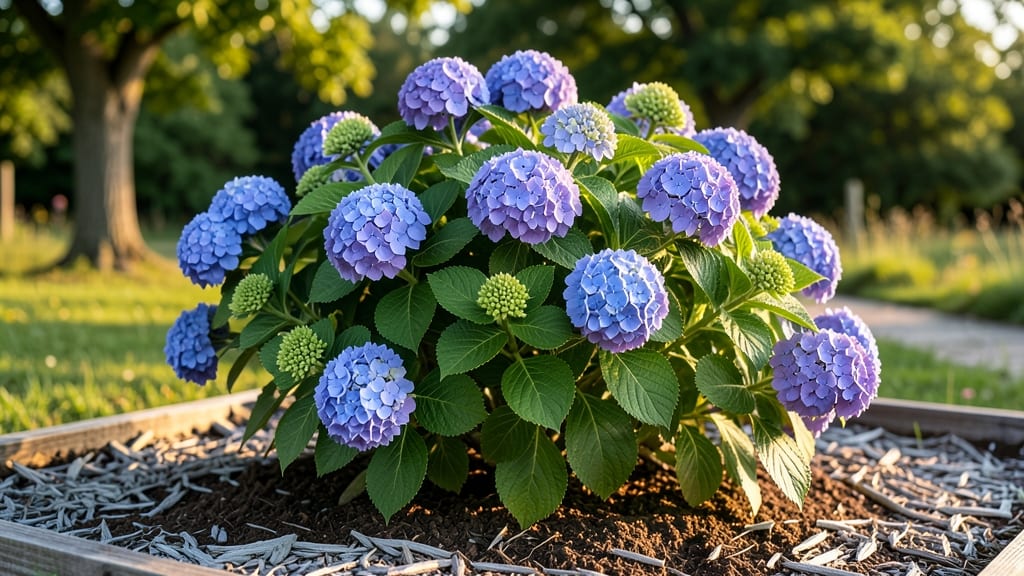
The Endless Summer Hydrangea delivers a season-long bloom time that transforms any garden into a nonstop floral spectacle—its continuous blooms from early summer until frost make it a true standout. But here’s the catch: if you prune at the wrong time, you’ll end up with bare branches or delayed blooms.
Unlike traditional hydrangeas, this variety blooms on both old and new wood, which means timing is everything.
In Zones 5-9, the key is a month-by-month pruning calendar that keeps buds forming while protecting last year’s flowers. Whether you’re in a cooler microclimate or a hotter region, these strategies will extend your bloom time beyond what most gardeners expect.
Ready to unlock year-round color? I’ll walk you through the exact pruning schedule, soil tweaks, and seasonal adjustments that make the difference between a one-season flash and a continuous garden highlight.
Understanding Endless Summer hydrangea bloom time: when and why it blooms year-round
The Endless Summer hydrangea (Hydrangea macrophylla 'Endless Summer') is a game-changer for gardeners craving continuous blooms from early summer until frost. Unlike traditional hydrangeas that bloom once on old wood, this variety produces flowers on both old and new wood, creating its legendary reblooming ability.
This unique trait makes it a standout in Zones 5-9, where seasonal shifts can dramatically affect bloom duration.
Most hydrangeas rely on old wood (last year's growth) for spring blooms, then fade after one season. The Endless Summer breaks this cycle by developing buds on both old and new stems, allowing it to rebloom after pruning.
This adaptability means you can shape your plant year-round without sacrificing flowers. The key lies in understanding its natural bloom progression and how your local climate influences timing.
Climate zones 5-9 experience varying frost dates, which directly impact bloom duration. In Zone 5, where winters are colder, blooms may start later but last until the first hard frost around October 30. Meanwhile, Zone 9 gardeners often enjoy blooms until December due to milder winters. Microclimates—like urban heat islands or sheltered garden spots—can also shift bloom windows by 2-4 weeks.
Here’s how the Endless Summer hydrangea typically blooms across seasons:
- Spring (April-May): Buds on old wood open first, followed by new growth.
- Summer (June-August): New wood blooms take over, extending the show.
- Fall (September-October): Continuous blooms persist until frost, with color shifts based on soil pH.
The reblooming trait of Endless Summer hydrangeas is tied to its genetic adaptation to produce flowers on both old and new growth. This dual blooming system ensures that even if some buds fail due to late frosts or drought stress, others will compensate.
For example, if your Zone 6 garden experiences a late frost in May, the new wood buds (formed in summer) will still bloom by July.
Soil pH plays a critical role in bloom color and duration. Acidic soil (pH 5.0-5.5) produces blue flowers, while alkaline soil (pH 6.0-7.0) yields pink blooms. Neutral pH (6.5) often results in lavender or purple hues.
Adjusting pH with sulfur (for blue) or lime (for pink) can also extend bloom time by reducing stress on the plant.
In warmer microclimates (e.g., near buildings or south-facing walls), Endless Summer hydrangeas may bloom earlier and longer than their cooler counterparts. For instance, a plant in Zone 7 with afternoon sun might start blooming in March and continue until November.
Conversely, shadier or cooler spots could delay blooms until June and shorten the season to September.
One common misconception is that over-pruning will extend bloom time. In reality, aggressive pruning in late winter (after the first frost) removes next year’s old wood blooms. Instead, prune lightly in late winter (February-March) to shape the
Endless Summer hydrangea pruning calendar: month-by-month guide for Zones 5-9
The Endless Summer hydrangea thrives on precise pruning timing to deliver its signature year-round blooms. Unlike traditional hydrangeas, this variety blooms on both old and new wood, making pruning both an art and science.
One wrong cut can mean missed blooms or leggy growth. My calendar below breaks down exactly what to do each month, tailored for Zones 5-9, with adjustments for early/late frosts.
Your pruning strategy hinges on two key decisions: rebloom pruning (to encourage continuous blooms) vs. old-wood pruning (which risks losing spring blooms). The table below compares these approaches so you can avoid costly mistakes.
For Zones 5-9, late winter is your best window for structural pruning, while summer pruning should focus on shaping—not cutting back hard.
| Pruning Type | Best Time | What to Cut | Bloom Impact | Zone 5-9 Note |
|---|---|---|---|---|
| Rebloom Pruning | Late winter (Feb-March) | Dead/damaged wood + 1/3 of oldest stems | Encourages new blooms | Wait until after last frost |
| Old-Wood Pruning | Immediately after blooming | All stems back to ground | Risky—loses spring blooms | Avoid in Zones 5-6 |
| Summer Pruning | June-August | Shape only—never cut >20% | Maintains bushy growth | Critical for Zones 8-9 heat |
January is your dormant season prep month. Focus on cleaning up debris around the base to prevent fungal diseases. In Zones 5-6, wait until late January to prune—early frosts can damage fresh cuts.
Mark stems you’ll prune with twist ties to avoid confusion later. For Zones 7-9, you can start light pruning if temps stay above 40°F.
February is your late-winter pruning window. In Zones 5-6, prune only if frost-free for 3+ days. Cut back dead stems to the base and 1/3 of oldest stems to encourage new growth.
Use sterilized pruners to prevent disease spread. In Zones 7-9, prune by mid-February to avoid heat stress. Never remove more than 30% of the plant—this risks stunting blooms.
March is critical for Zones 5-6. Prune only after your last expected frost date (typically mid-March). Shape the plant by cutting just above outward-facing buds. Apply a 2-inch layer of mulch to retain moisture.
In Zones 7-9, finish pruning by early March. Fertilize lightly with 10-10-10 to support new growth. Avoid heavy pruning—this variety blooms on both old and new wood.
April-June is your bloom maintenance period. Never prune during this time—you’ll risk removing next year’s flower buds. Instead, focus on watering deeply (1-2 inches per week) and removing spent blooms to encourage more flowers.
In Zones 8-9, watch for aphid infestations—spray with neem oil if needed. July-August is for light shaping only—cut back only to maintain form, never to reduce size.
September-October is your late-season prep. In Zones 5-6, prune only to remove damaged stems from early frosts. For Zones 7-9, prune lightly to shape before winter. Apply a balanced fertilizer in early September to support root growth.
Mulch heavily to protect roots from temperature swings. November-December is dormant season—no pruning needed. Focus on protecting the base from snow mold with a thick mulch layer.
Pro tip: Use a pruning journal to track your cuts and bloom response. Note the first frost date in your area—this dictates your late-season pruning window. For Zones 5-6, aim to finish pruning by October 15; for Zones 7-9, prune by November 1.
With this calendar, your Endless Summer hydrangea will reward you with nonstop blooms from spring until frost. ✂️🌸