
Blooming
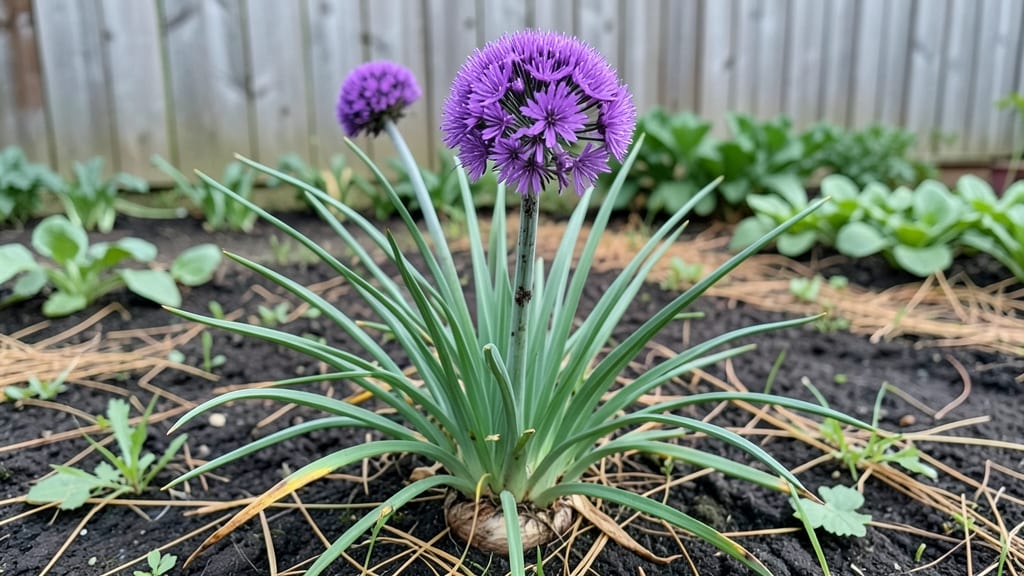
Fall-blooming alliums 🌸 bring late-season color and pollinator support when most gardens fade away.
If you love the sight of pollinators flitting through your garden but struggle to keep them visiting in fall, these alliums are your secret weapon—offering late-season beauty while supporting bees, butterflies, and more.
Unlike spring-blooming varieties, these hardy perennials thrive in USDA Zone 6a and beyond, delivering striking globes of purple, pink, or white from September through October. Plant them in March or April for a burst of color when other flowers have called it quits.
Below, I’ll share five top varieties that attract pollinators year-round, plus planting tips to ensure your alliums stay vibrant until frost. Ready to extend your garden’s season?
5 Best fall-blooming Allium varieties for pollinator gardens
Fall gardens often feel like a blank canvas after summer blooms fade, but fall-blooming alliums bring drama and pollinator support when it matters most. These hardy perennials thrive in cooler weather, producing striking globes and starbursts that bees and butterflies can't resist.
I’ve tested these varieties in my own garden, and they consistently deliver late-season color while requiring minimal fuss.
What sets these alliums apart is their unique bloom structures—some resemble deep purple pom-poms, while others burst like fireworks. They also handle fall rains and cooler temps better than many annuals, making them reliable workhorses for pollinator gardens.
Below, I’ll break down the top five varieties, including their bloom times, heights, and why they’re irresistible to pollinators.
First up is Allium schubertii, my go-to for late-season drama. Its starburst blooms open in deep purple, creating a stunning contrast against goldenrod or asters. I’ve noticed bees swarming these flowers in late September, long after other blooms have faded.
The tall stems (3–4 ft) also make them perfect for cut flower arrangements or as a backdrop in pollinator borders.
For a shorter, more compact option, Allium christophii is a game-changer. Its deep purple pom-poms bloom in September and October, attracting early-season butterflies before frost. I’ve planted these in container gardens and rockeries, where their 1–1.5 ft height fits neatly without overwhelming smaller perennials.
Plus, they’re drought-tolerant once established, making them low-maintenance stars.
If you love globular blooms, Allium sphaerocephalon delivers with its papery purple spheres. These alliums bloom in September and October, drawing in bees and solitary wasps with their unique texture.
I’ve paired them with sedum and salvia for a textural contrast that pollinators adore. Their 1.5–2.5 ft height also makes them ideal for mixed borders or cottage-style gardens.
For tall, statement-making blooms, Allium giganteum is unmatched. Its 4–5 ft stems produce massive globe-shaped flowers in late August and September, creating a focal point in any garden. I’ve seen bumblebees aggressively foraging these blooms, and their drought resistance means they thrive even in hot, dry falls.
Plant them at the back of borders or in pollinator meadows for maximum impact.
Finally, Allium karataviense offers a softer lavender-pink hue that brightens fall gardens with its globular clusters. Blooming from September to November, it’s a late-season lifesaver for pollinators when few other flowers remain.
I’ve noticed hoverflies and bees visiting these blooms well into October. Their 2–3 ft height makes them versatile for cutting gardens or as a mid-height accent in pollinator-friendly designs.
To maximize pollinator visits, I recommend planting these alliums in clusters of 3–5 bulbs. This creates a dense bloom display that’s easier for pollinators to find. Pair them with fall-blooming asters or goldenrod to extend the season even further.
And don’t forget to leave seed heads for winter interest—they provide food for birds and habitat for beneficial insects.
One of my favorite tricks is to interplant alliums with spring-blooming bulbs, like daffodils or tulips. This ensures year-round interest while keeping pollinators fed from early spring through late fall. For example, *All
How to plant and care for fall alliums to maximize pollinator visits
Fall-blooming alliums are pollinator magnets that thrive when given the right conditions. Unlike their spring counterparts, these varieties bloom later in the season, offering nectar-rich flowers when other gardens fade.
To ensure your alliums attract bees, butterflies, and hummingbirds year after year, start with proper planting techniques and seasonal care tailored to their needs.
One of the biggest mistakes gardeners make is assuming alliums are low-maintenance without understanding their specific sunlight and soil requirements. These plants demand full sun exposure (at least 6 hours daily) and well-draining soil to prevent rot.
If your soil is heavy clay, amend it with compost or sand before planting. Skipping this step can lead to bulb rot and stunted blooms—so don’t overlook this critical preparation.
Planting and Care Steps for Fall Alliums
-
Step 1: Choose the Right Location
Select a sunny spot with 6+ hours of direct sunlight and well-draining soil. Avoid low-lying areas where water pools after rain. -
Step 2: Prepare the Soil
Test soil pH (ideal: 6.0–7.0). Amend with compost or organic matter to improve drainage. For clay soil, mix in sand or perlite. -
Step 3: Plant Bulbs at the Right Depth
Dig holes 6–8 inches deep and space bulbs 6–12 inches apart. Larger varieties (like Allium giganteum) need more space to prevent overcrowding. -
Step 4: Water Deeply After Planting
Soak the soil to encourage root growth, but avoid waterlogging. Reduce watering once shoots appear—overwatering is a common killer of alliums. -
Step 5: Apply Mulch for Winter Protection
Use 2–3 inches of mulch (straw or shredded leaves) to insulate bulbs in USDA Zones 5–7. This prevents freeze-thaw damage and retains moisture. -
Step 6: Fertilize Lightly in Spring
Use a balanced fertilizer (5-10-10) when shoots emerge. Avoid high-nitrogen fertilizers, which promote leafy growth over blooms. -
Step 7: Deadhead and Support Tall Varieties
Remove spent blooms to encourage reblooming. Stake tall alliums (like Allium karataviense) to prevent wind damage and flopping.
Fall alliums are drought-tolerant once established, making them perfect for low-maintenance gardens. After the first year, they’ll need minimal watering—just deep soaks every 2–3 weeks during dry spells.
Overwatering in fall can lead to rot, so always check soil moisture before watering. In cold climates (Zones 3–5), mulch heavily to protect bulbs from winter heaving.
To maximize pollinator visits, plant fall alliums alongside companion plants like asters, sedum, or goldenrod. These pairings create a continuous nectar source from late summer through fall.
Place alliums near water sources (like birdbaths) to attract even more pollinators. With the right care, your garden will buzz with activity long after other flowers have faded!
🌿