
Blooming
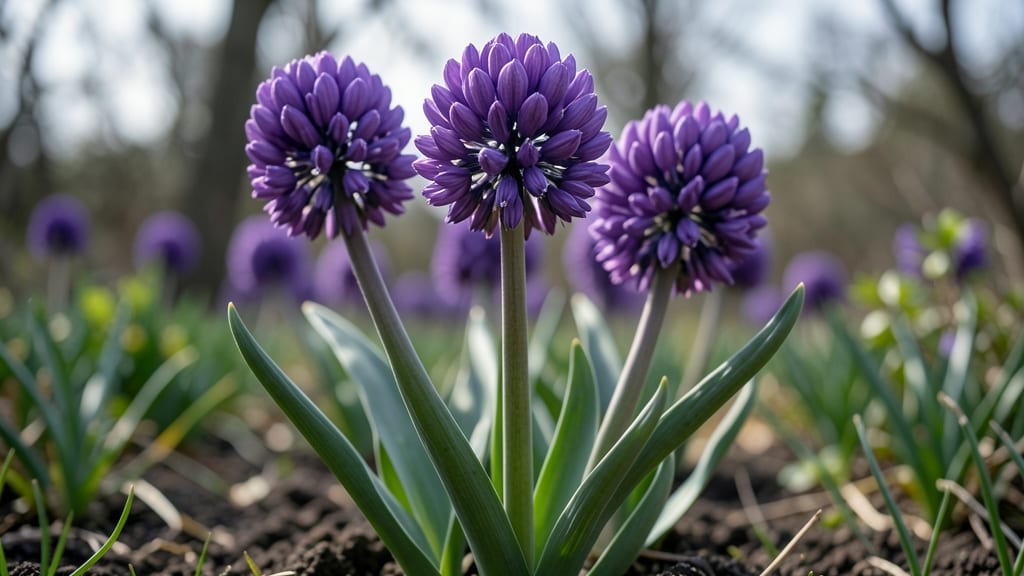
Spring’s earliest blooms bring color and life to gardens before summer’s heat sets in. These 10 hardy plants defy winter’s chill, offering vibrant displays that attract pollinators and lift spirits—perfect for gardeners eager to start fresh.
Crocus Flowers in Early Spring
When winter still clings to the landscape, crocus flowers punch through the snow with vibrant cheer, signaling that spring has arrived. These hardy blooms thrive in cold climates (USDA zones 3-8) and naturalize over time, creating dense carpets of color with minimal effort—ideal for rock gardens or shady spots where grass refuses to grow.
Plant crocus bulbs in fall (4-6 weeks before frost) in well-draining soil, 3-4 inches deep. Their shallow roots make them perfect for tight spaces, and they tolerate partial shade, making them ideal under trees or along north-facing walls. Choose varieties like ‘Purple Striped’ or ‘Whitewell’ for early blooms, and expect flowers to appear within 4-6 weeks of planting.
Perfect for beginners or gardeners with limited space, crocus adds instant color while requiring almost no maintenance. Their early bloom also attracts pollinators like bees, giving your garden a head start. 🌱
Snowdrops for Shade Gardens
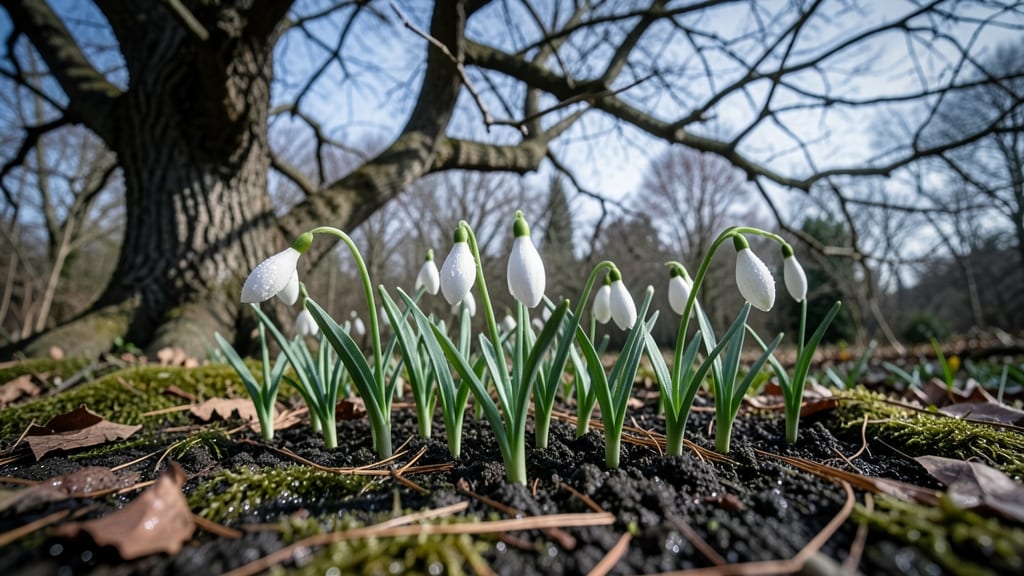
When most gardens still sleep under winter’s chill, snowdrops (Galanthus) push through the soil like tiny messengers of spring. These frost-hardy charmers thrive where sunlight barely reaches—under deciduous trees, along shady fences, or in woodland edges—where other plants would struggle to survive.
Plant snowdrop bulbs in fall for a year-round presence: their slender stems emerge through snow, bloom in late winter, and even persist as dried stalks through summer. The delicate white bells provide critical early nectar for bees, making them a pollinator’s lifeline. For best results, naturalize them in clusters where their speckled leaves will fade gracefully into the shade.
Perfect for shade gardeners or those with heavy tree canopies, snowdrops reward patience with decades of blooms—once planted, they’ll multiply and spread effortlessly. 🌱
Pansies in Cool Weather
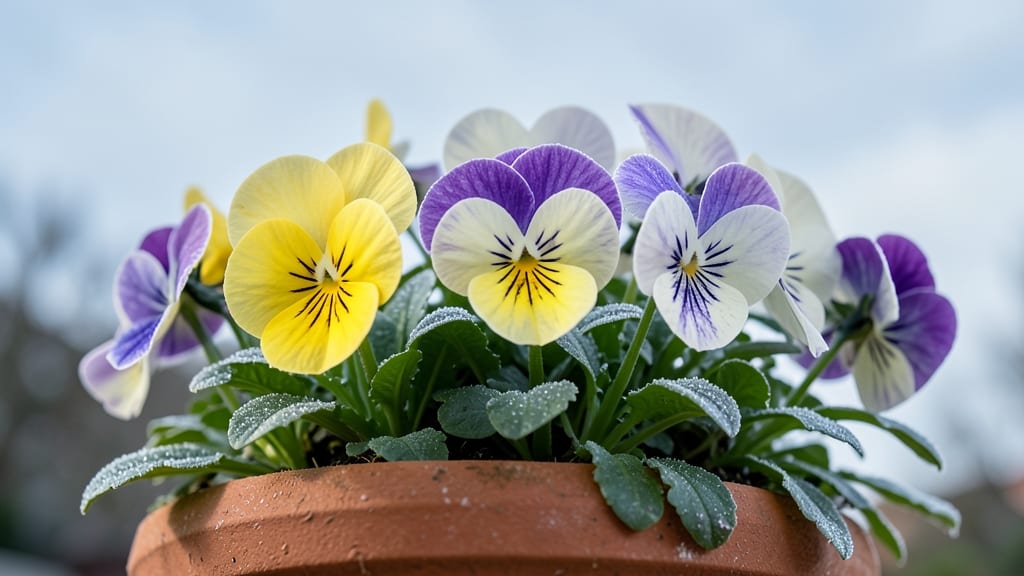
When winter’s chill lingers but you crave color, pansies are the cheerful underdogs of early spring. These cold-hardy annuals defy frost, blooming from late winter straight through spring with faces that seem to smile at you—perfect for brightening up containers, window boxes, or garden borders before summer’s heat arrives.
Sow seeds in late summer or early fall for a head start, or buy young plants in fall for instant color. They thrive in partial to full sun (6+ hours daily) and well-drained soil, making them ideal for urban gardeners with limited space. Choose from classic purple, yellow, and white varieties, or opt for bi-color mixes like ‘Cool Wave’ or ‘Majestic Giant’ for bold displays.
Pansies are a game-changer for beginners or busy gardeners—they’re low-maintenance, self-cleaning (no deadheading needed), and even edible (young leaves add peppery flavor to salads). Plant them now for a year-round show if you’re in mild climates, or enjoy their fleeting but vibrant springtime charm. 🌷
Daffodils for Sunlit Spots
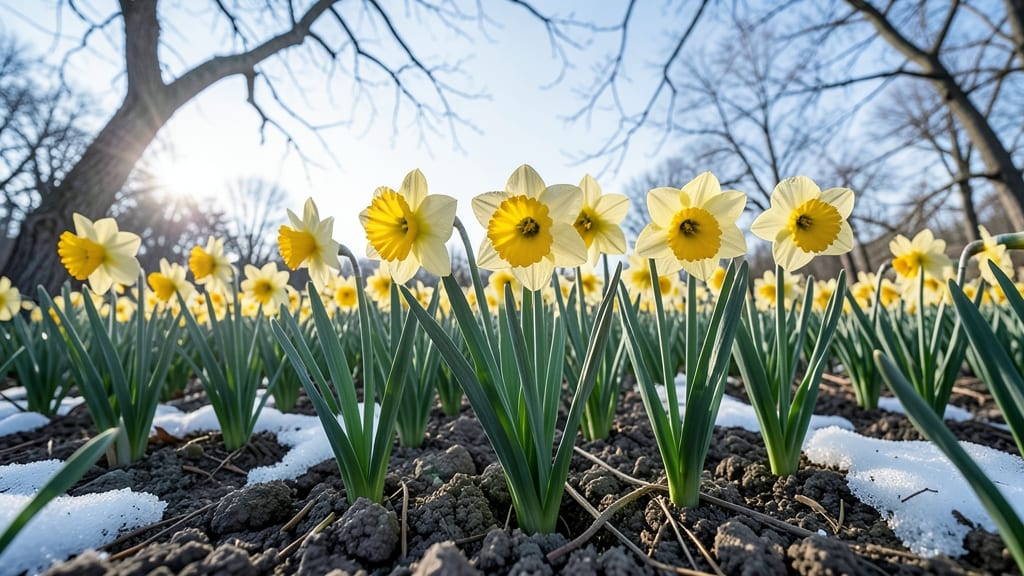
When you crave a bold splash of color that arrives before most plants even think about waking up, daffodils are your secret weapon. These cheerful yellow blooms punch through frozen soil in late winter, often while snow still lingers, and deliver weeks of vibrant displays with almost no effort from you.
What makes them truly special is their deer-deterring power—those toxic milk sap leaves make them a top choice for rural gardens. Plant them in sunny beds or meadows, and they’ll naturalize over time, creating drifts of blooms that multiply yearly. For best results, choose varieties like 'Tête-à-Tête' (compact) or 'Ice Follies' (white) to suit your space.
Perfect for beginners or busy gardeners, daffodils thrive on neglect and reward you with year-round value—even after blooming, their foliage feeds the soil. 🌻
Bleeding Heart Plant
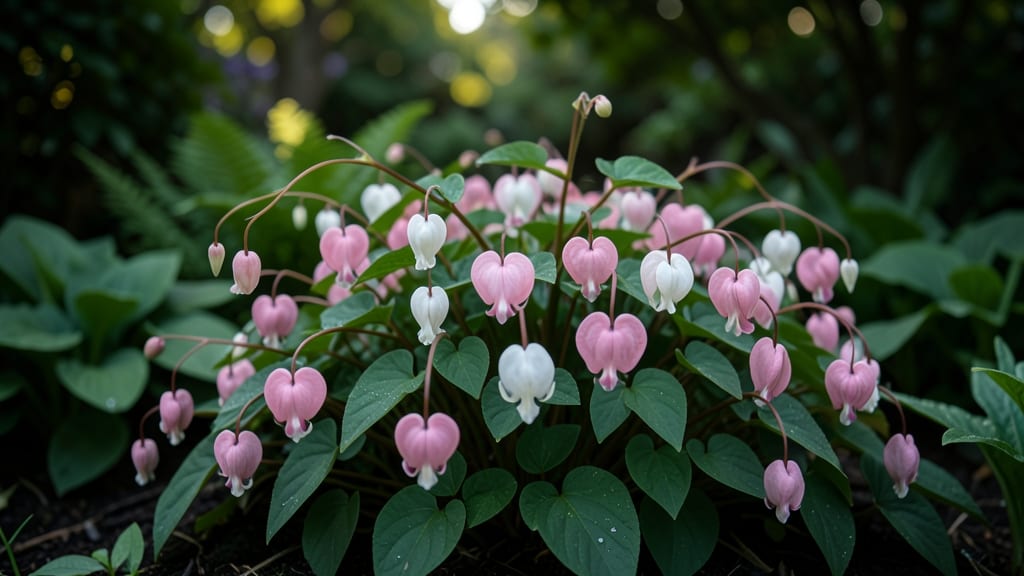
When you crave a romantic garden focal point that thrives without fuss, the bleeding heart plant (Dicentra spectabilis) delivers heart-shaped blooms in soft pinks and whites that cascade like a waterfall from late spring into summer. Unlike early spring bloomers, this shade-loving perennial rewards patience with a prolonged display—often flowering for 6-8 weeks—while its delicate foliage adds lush texture year-round.
Plant it where morning sun and afternoon shade meet, in moist, well-draining soil enriched with compost. Stake the stems early to prevent flopping, and deadhead spent blooms to encourage a second flush of flowers. This plant excels in woodland gardens, under trees, or along shady borders where it pairs beautifully with ferns and hostas. For container growers, choose dwarf varieties like 'Alba' for compact, spilling blooms in partial shade.
Perfect for gardeners who love vertical drama without the upkeep of roses, bleeding heart thrives in zones 3-9 and multiplies over time. Pair it with early bloomers like snowdrops for a sequential spring show that keeps your garden magical from first bloom to summer’s end. 🌷
Hepatica for Woodland Gardens
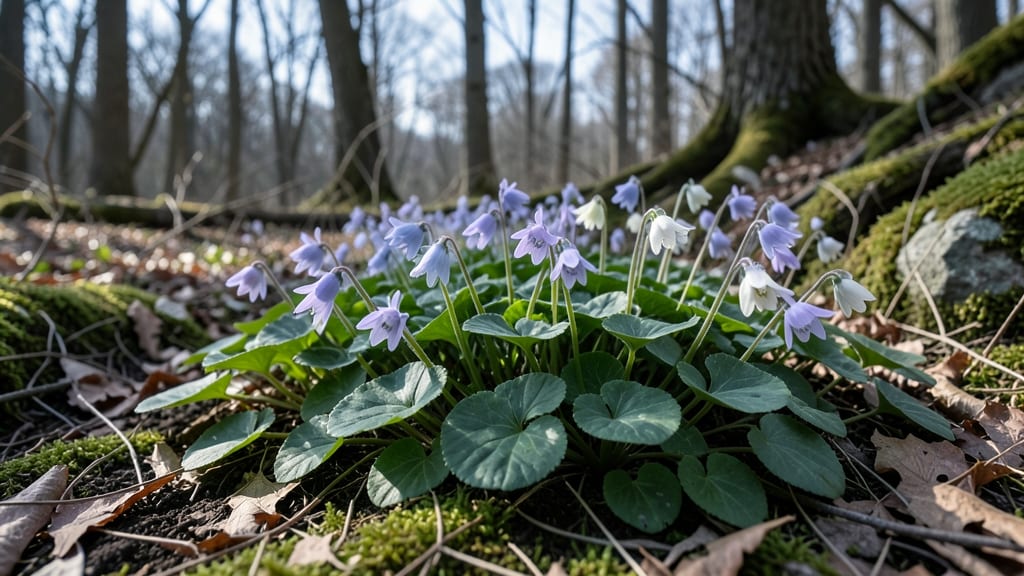
If you’re craving early spring color in the shadiest corners of your garden, hepatica delivers delicate blooms that appear when most plants are still dormant. This underused woodland gem thrives in dry shade, making it ideal for spots where grass refuses to grow or other plants struggle.
With its blue, pink, or white flowers emerging in late winter or early spring, hepatica adds rare color to your garden before leaves even unfurl on nearby trees. It prefers moist, well-draining soil and partial to full shade, and its low-growing habit makes it perfect for woodland gardens, rockeries, or understory plantings. Once established, it spreads slowly but reliably, creating a natural carpet of early blooms.
Perfect for gardeners who want low-maintenance beauty in challenging spots, hepatica also attracts early pollinators like bees. It’s a true woodland treasure that rewards patience with its cheerful, early-season display. 🌷
Primrose Varieties for Containers
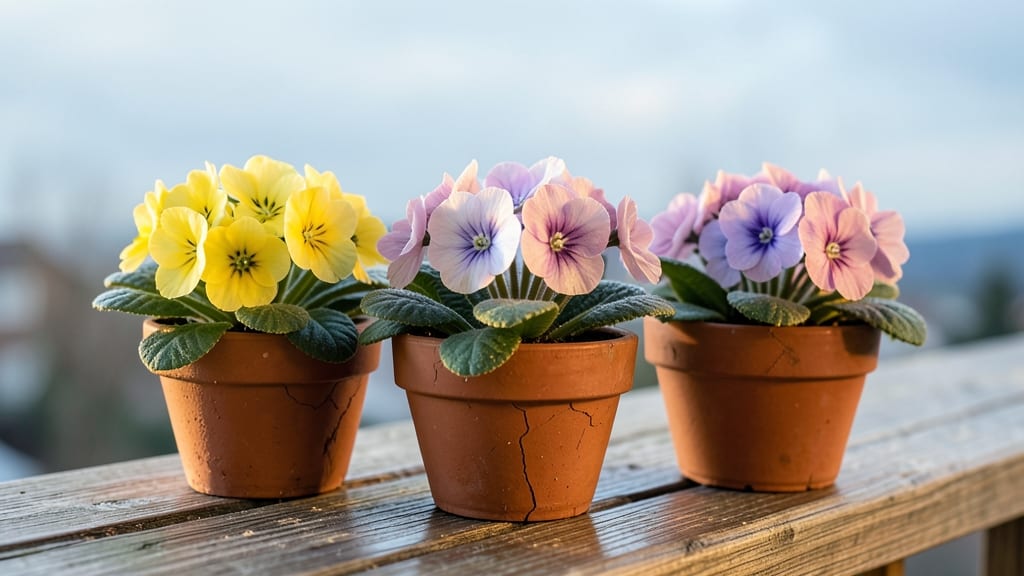
When you crave early-season color but lack space for in-ground planting, primroses deliver a cheerful solution. These compact bloomers thrive in containers, offering a mix of yellow, pink, and purple hues that brighten balconies and patios as soon as temperatures dip below 70°F. Unlike their woodland cousins, these varieties are bred for pots, making them ideal for urban gardeners or small-space enthusiasts.
Choose cushion primroses for dense clusters or bowl-shaped varieties like Primula denticulata for cascading foliage. Ensure pots have drainage holes and use a well-draining mix with peat or coconut coir—they hate soggy roots. Place containers in morning sun to afternoon shade to prevent wilting, and deadhead spent blooms to encourage prolonged flowering. With minimal care, you’ll enjoy weeks of vibrant blooms that outlast many spring ephemerals.
Perfect for renters or gardeners with limited ground space, primroses transform even a tiny balcony into a springtime showcase. Their fragrant blooms also attract early pollinators, giving your garden a head start on the season. 🌷
Lungwort for Pollinators
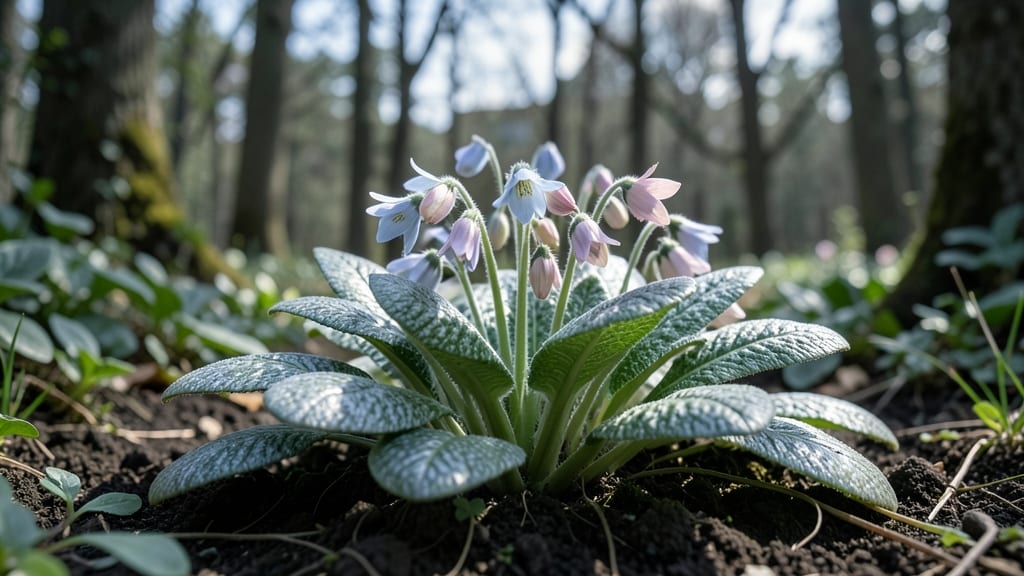
When you crave a pollinator magnet that thrives in shade and delivers early spring color, lungwort (Pulmonaria) is your secret weapon. This underrated perennial combines striking silver-spotted foliage with delicate blue or pink flowers that appear before many competitors—often as early as late winter in mild climates.
Plant lungwort in partial to full shade where other plants struggle, and watch it attract bees and butterflies with its nectar-rich blooms. The foliage’s unique pattern persists even after flowers fade, providing year-round interest. It’s perfect for woodland gardens, borders, or under trees, where it self-seeds gently to form naturalizing colonies.
Ideal for gardeners who want low-maintenance beauty without sacrificing function, lungwort proves that shade areas can be just as vibrant—and ecologically valuable—as sunny spots. 🌿
Sweet Alyssum for Edges
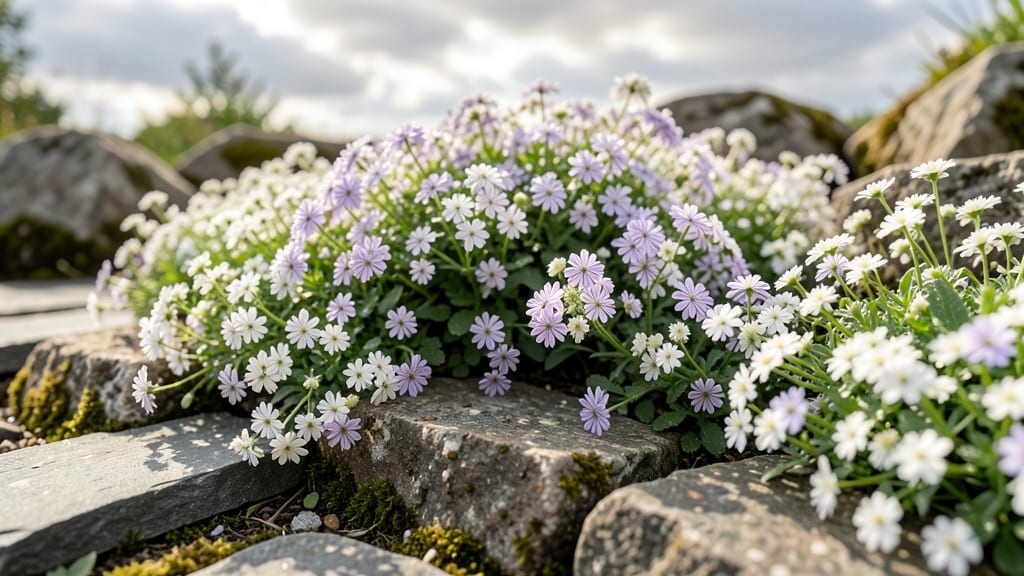
When you crave a fragrant, low-maintenance way to brighten garden edges, sweet alyssum delivers with its delicate white or purple blooms that smell like honey. This tiny annual is one of the first to bloom in spring, filling gaps in rock gardens or softening pathways with its lacy, cascading habit.
Sweet alyssum thrives in full sun to partial shade and tolerates poor soil, making it ideal for beginners or urban gardeners with limited space. Deadhead spent blooms to encourage continuous flowering until frost, and watch bees and butterflies flock to its nectar-rich flowers. Plant seeds directly after the last frost for quick 6-8 week coverage.
Perfect for small spaces, sweet alyssum transforms bare spots into fragrant, pollinator-friendly displays with minimal effort. 💚
Allium Globemaster for Drama

When you crave a dramatic focal point that steals the show in late spring, Allium Globemaster delivers with its globe-shaped purple blooms that resemble giant space pods. Unlike delicate early bloomers, this plant starts growing early—often in late winter—giving you a head start on height and structure before most flowers even think about emerging.
Plant bulbs in well-draining soil with full sun for best results, and watch them reach 2-3 feet tall by bloom time. The spherical flowers last 2-3 weeks in the garden and hold up beautifully in arrangements, making them ideal for cutting gardens. They’re also deer-resistant, so you won’t have to worry about hungry critters nibbling away your centerpiece.
Perfect for urban gardeners with small spaces or anyone who loves bold, architectural plants, Allium Globemaster adds vertical interest and long-lasting drama without the fuss. 🌟