
Blooming
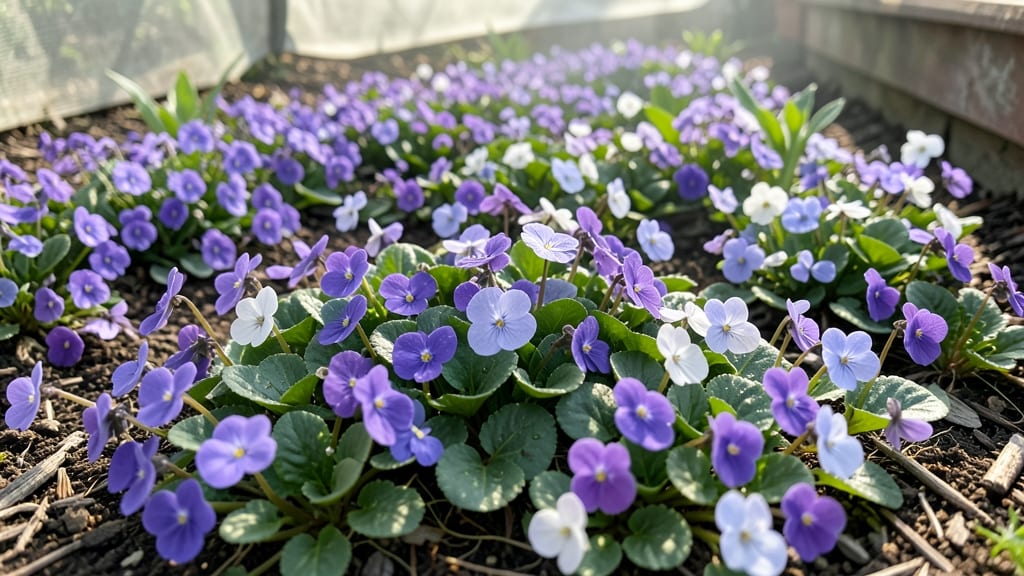
Spring’s earliest bloomers break winter’s monotony with vibrant color and fragrance. These 10 hardy flowers emerge first, offering gardeners a head start on seasonal beauty and pollinator support.
Snowdrops: Tiny Messengers of Spring’s Arrival
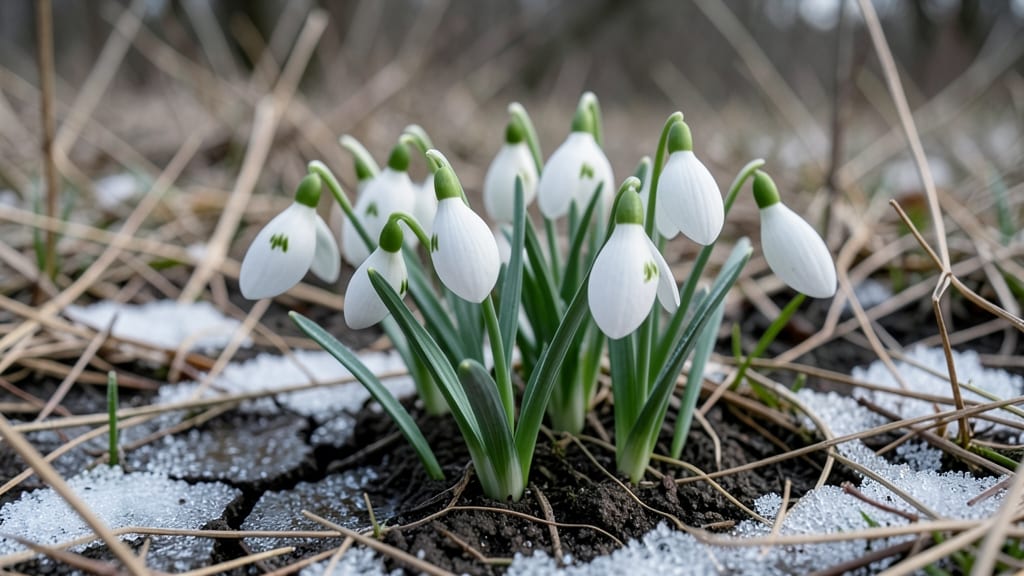
When winter still clings to the garden, snowdrops defy the cold with their delicate white blooms, often appearing before snow has even melted. These tiny harbingers of spring push through frozen soil as early as January or February, offering a fleeting but magical glimpse of color when most plants are dormant.
Perfect for shaded woodland gardens or under trees, snowdrops thrive in partial to full shade and well-draining soil. Their hardy nature makes them ideal for beginners or gardeners with limited sun—just plant bulbs in fall (4-6 inches deep) and let them naturalize over time. Deer and rodents typically avoid them, making them a low-maintenance choice.
These symbols of hope are especially meaningful for gardeners in colder climates or urban areas with limited space. Their early blooms also attract pollinators like bees, giving your garden a head start on supporting wildlife. 🌱
Crocus: Purple and Gold Harbingers
If you’ve ever spotted purple and gold crocuses peeking through snow or dry grass, you’ve witnessed nature’s first spring cheer. These tiny but mighty flowers are among the first to bloom, often appearing as early as February in many climates, offering a splash of color when most gardens are still dormant.
Crocus thrives in cold-hardy conditions (down to -30°F) and requires minimal water once established, making it perfect for drought-tolerant gardens. Plant bulbs in fall for a surprise show the following winter or spring, and watch them naturalize effortlessly in lawns, rock gardens, or borders. Their early blooms also provide critical nectar for bees when few other flowers are available.
Ideal for beginners or busy gardeners, crocus demands almost no maintenance—just plant, forget, and enjoy. Perfect for adding early color to urban gardens or rural landscapes alike. 🌻
Winter Aconite: Bright Yellow Cheer in Shade
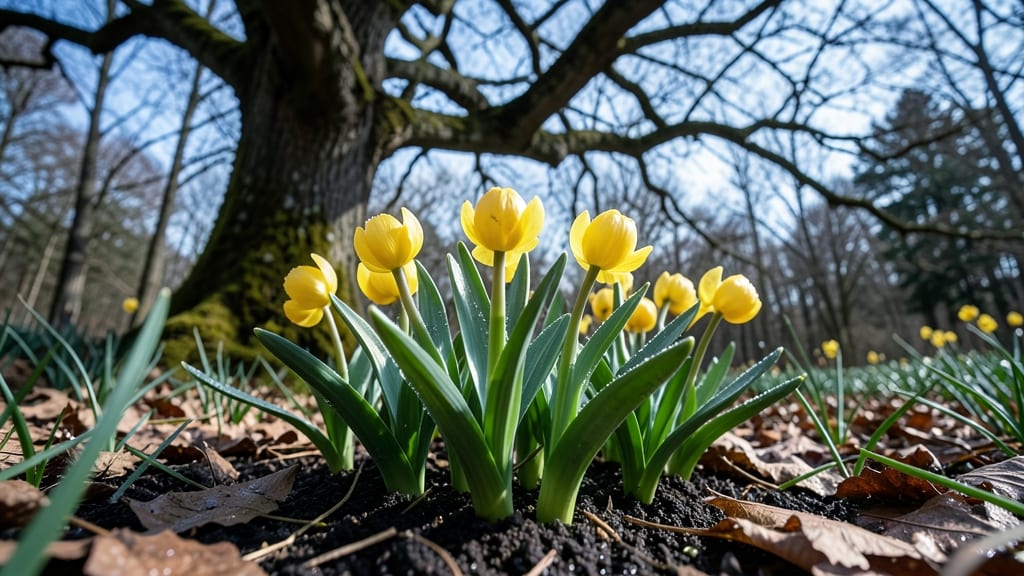
Tired of bare patches under trees where nothing grows? Winter aconite (Eranthis hyemalis) thrives in deep shade where most flowers give up, delivering bright yellow blooms as early as February—sometimes even through light snow.
This perennial bulb loves moist, well-drained soil and spreads gently over time, creating cheerful carpets beneath deciduous trees or along north-facing foundations. Unlike sun-loving spring bloomers, winter aconite tolerates dappled shade and even partial winter sun, making it ideal for understory planting. Just avoid soggy soil—it’s the only picky condition this early riser demands.
Perfect for gardeners with shady spots who want instant color without the fuss of sun-loving bulbs. Plant in fall for next February’s surprise! 🌱
Hellebores: Elegant Shade-Loving Perennials
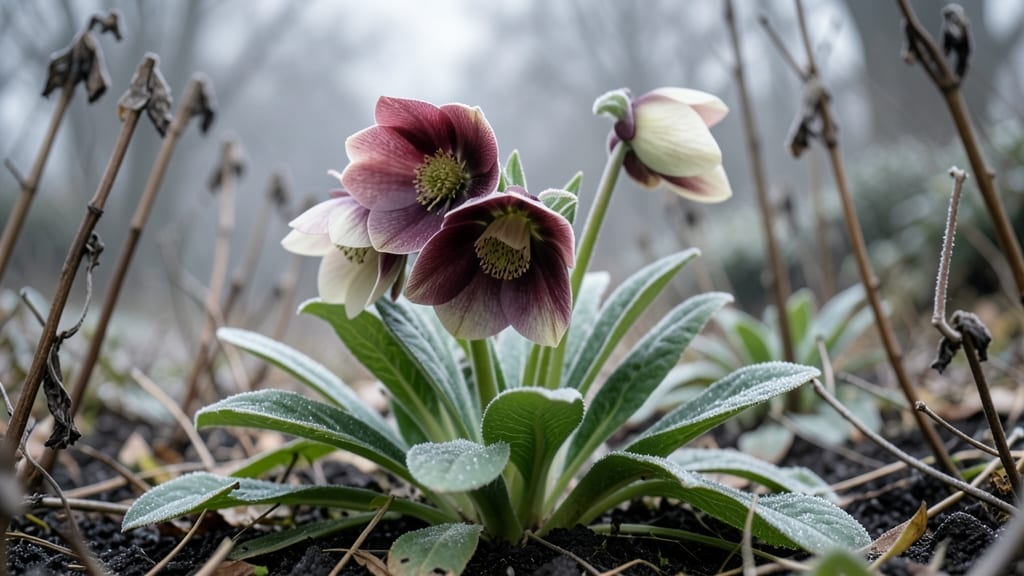
When your garden still looks like winter’s gray canvas, helleborus—or "Lenten roses"—steps in with their delicate, nodding blooms. These shade-loving perennials defy the cold, often flowering from late winter through early spring, long before most gardens wake up.
Hellebores thrive in partial to full shade, making them perfect for woodland gardens, under trees, or north-facing beds where other plants struggle. Their low-maintenance nature means you’ll spend less time fussing over them and more time admiring their unique flowers in shades of pink, white, or deep purple. Deadhead spent blooms to encourage more flowers, and they’ll reward you with year-round interest thanks to their attractive foliage.
Ideal for gardeners with shady spots or those who want to extend their spring color palette, hellebores bring elegance without the upkeep. 🌷
Pansies: Edible Spring Color for Containers
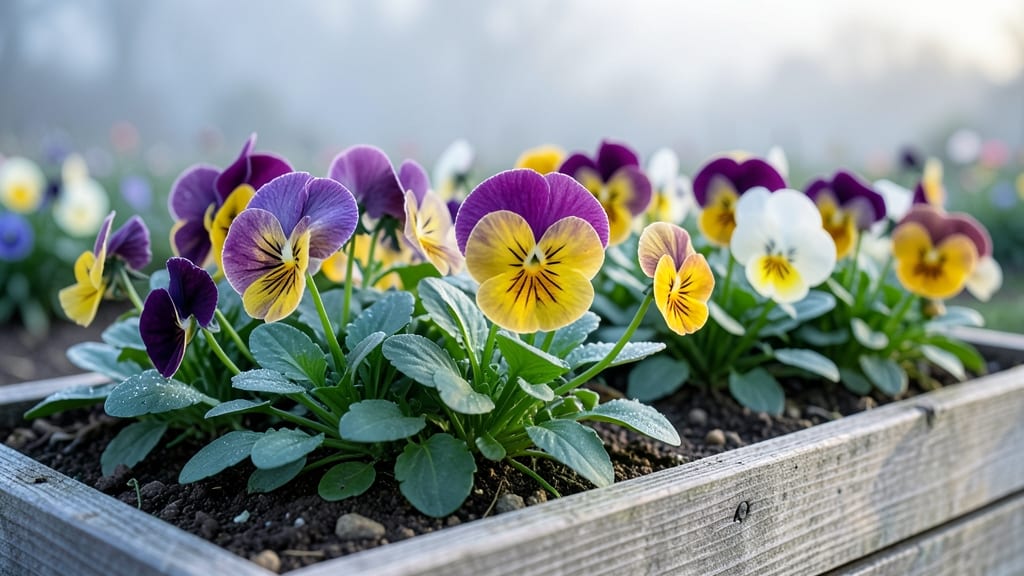
If you crave bold spring color that won’t wilt in chilly weather, pansies are your secret weapon. These cheerful blooms thrive in cool temperatures and even survive light frosts, making them perfect for early-season containers or borders.
Plant them in well-draining soil with 4-6 hours of sun (they tolerate partial shade too), and enjoy blooms from late winter through spring. Bonus: Their petals are edible—add them to salads for a peppery kick! Choose compact varieties like 'Cool Wave' for containers or 'Majestic Giant' for borders.
Urban gardeners and small-space lovers will appreciate how pansies brighten patios and balconies while requiring minimal care. Their cold resistance means you can plant them weeks before other flowers. 🌻
Daffodils: Classic Fragrant Bulbs for Sun
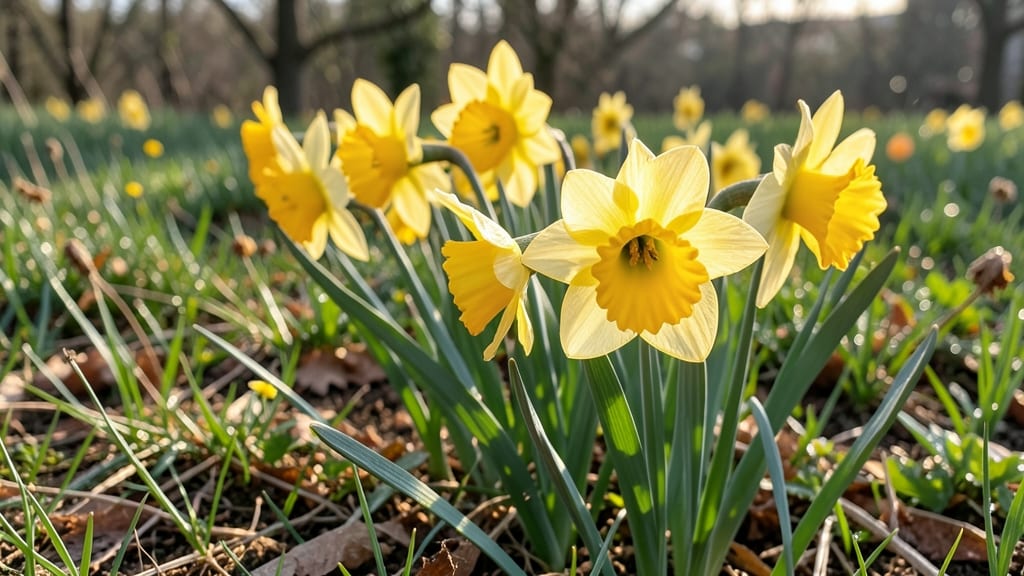
When you crave bold, fragrant blooms that announce spring’s arrival with unmistakable cheer, daffodils are your go-to. These sun-loving bulbs burst into color as early as February in mild climates, offering deer-resistant protection while feeding hungry pollinators before other flowers emerge.
Plant daffodil bulbs in well-draining soil with 6 hours of sun daily for best results—they thrive in cottage gardens, meadows, or even containers. Their toxic foliage deters squirrels and deer, making them a low-maintenance workhorse for sunny borders. Choose varieties like Jonquil for fragrance or Tête-à-Tête for compact, clustered blooms.
Perfect for beginners or busy gardeners, daffodils multiply yearly, creating naturalized drifts that brighten gardens for decades with minimal care. 🌻
Bleeding Heart: Delicate Arching Flowers
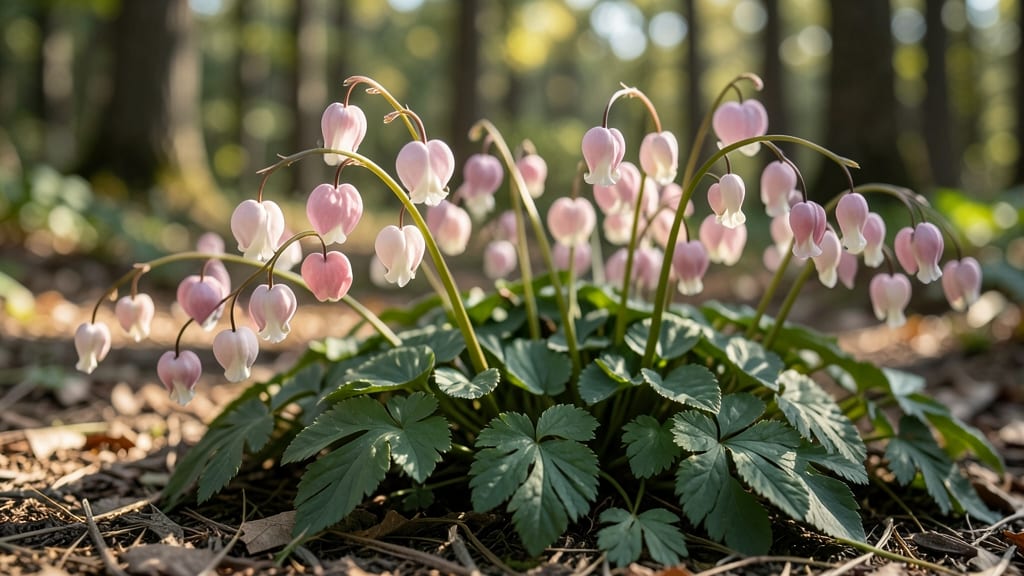
When you crave drama in your garden but lack full sun, bleeding heart (Dicentra spectabilis) delivers with its graceful, arching stems and heart-shaped blooms that appear in early spring. Unlike sun-loving daffodils, this woodland native thrives in partial shade, making it perfect for understory planting or north-facing borders.
Plant in moist, well-draining soil enriched with compost, and provide afternoon shade to prevent leaf scorch. The blooms last 4-6 weeks, followed by lush, fern-like foliage that adds texture. For a second flush of flowers, deadhead spent blooms and divide clumps every 3-4 years to maintain vigor.
This is the ideal choice for gardeners seeking romantic, vertical interest without high maintenance. Pair it with hellebores or ferns for a lush, shade-loving combination that blooms early and lasts all season. 🌷
Primroses: Fragrant Clusters for Borders
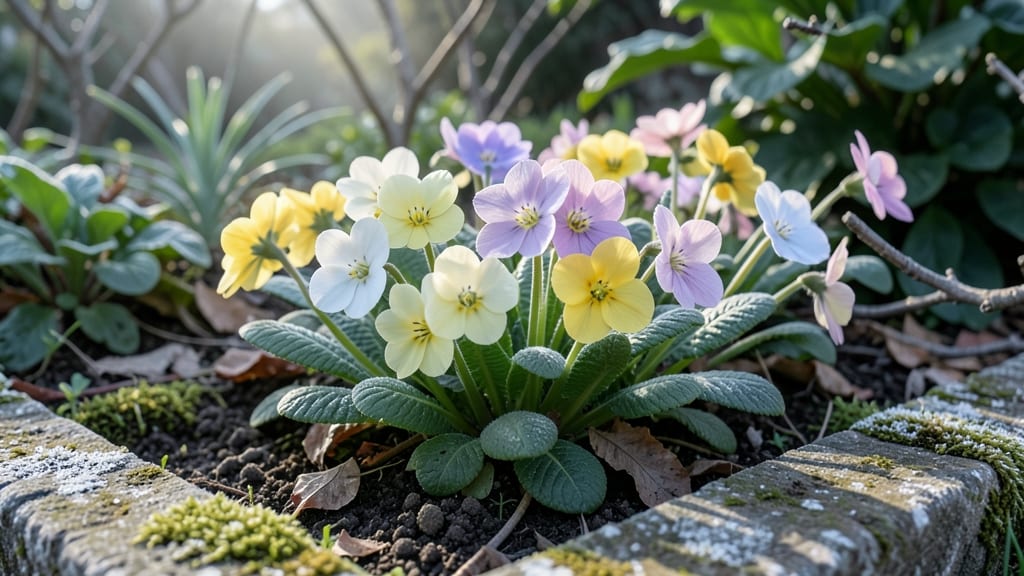
When you crave spring’s sweetest fragrance before the heat sets in, primroses deliver clusters of delicate blooms that perfume the air from late winter through early spring. Unlike many flowers that wait for warmth, primroses thrive in cool temperatures (40-60°F), making them perfect for early-season borders or containers.
Choose from pastel pinks, purples, yellows, or whites—each variety offers a different bloom time, ensuring continuous color from February through May. Deadhead spent blooms to encourage more flowers, and snip stems for long-lasting indoor arrangements that fill your home with their gentle scent. They prefer partial shade but tolerate morning sun, ideal for cottage-style gardens or woodland edges.
Primroses are a gardener’s secret weapon for early pollinator support, attracting bees and butterflies when few other flowers are available. Perfect for beginners or small spaces, they’re low-maintenance yet high-impact—just add them to your spring planting plan for effortless charm. 🌷
Lungwort: Unique Spotted Leaves and Flowers
If you love unique foliage but crave early spring blooms too, lungwort (Pulmonaria) is a game-changer. This underrated perennial delivers purple or blue flowers in late winter or early spring—often before many other plants even think about blooming—while its silver-spotted leaves add texture year-round.
Thriving in moist, shaded spots, lungwort is perfect for woodland gardens, under trees, or alongside hostas and ferns. Its early flowers provide critical nectar for bees and butterflies when food is scarce, making it a pollinator hero. Deadhead spent blooms to encourage a second flush of flowers later in the season.
Ideal for gardeners who want low-maintenance beauty with dual appeal—both foliage and flowers—lungwort spreads gently over time, creating lush ground cover. 🌟
Sweet Violet: Fragrant Ground Cover for Sun or Shade

If you're craving fragrant, edible flowers that bloom early and spread effortlessly, sweet violets are your secret weapon. These charming ground covers emerge in late winter to early spring, offering a carpet of color in shades of purple, white, and blue—perfect for walkways, borders, or even container edges.
Sweet violets thrive in both sun and shade, making them incredibly versatile. Plant them in well-draining soil with moderate moisture, and they’ll reward you with early nectar for bees and a subtle, sweet fragrance. You can even harvest the leaves and flowers for salads or garnishes, adding a delicate flavor to your garden harvest.
This low-maintenance perennial is ideal for beginner gardeners or anyone looking to fill gaps quickly. Their fast-spreading habit means you’ll have a lush, fragrant ground cover in no time. 🌷