
Flowers
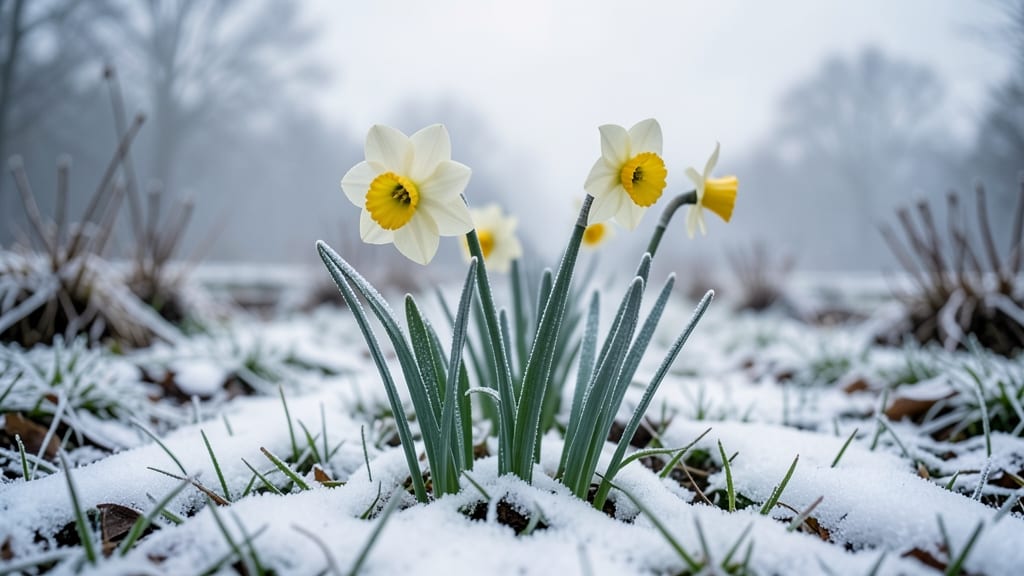
November gardens may seem dormant, but these hardy flowers defy autumn’s chill with vibrant blooms. Discover cold-resistant varieties that add color and life to your late-season landscape—perfect for gardeners who refuse to let winter steal the show.
Chrysanthemums: November’s Classic Color Explosion
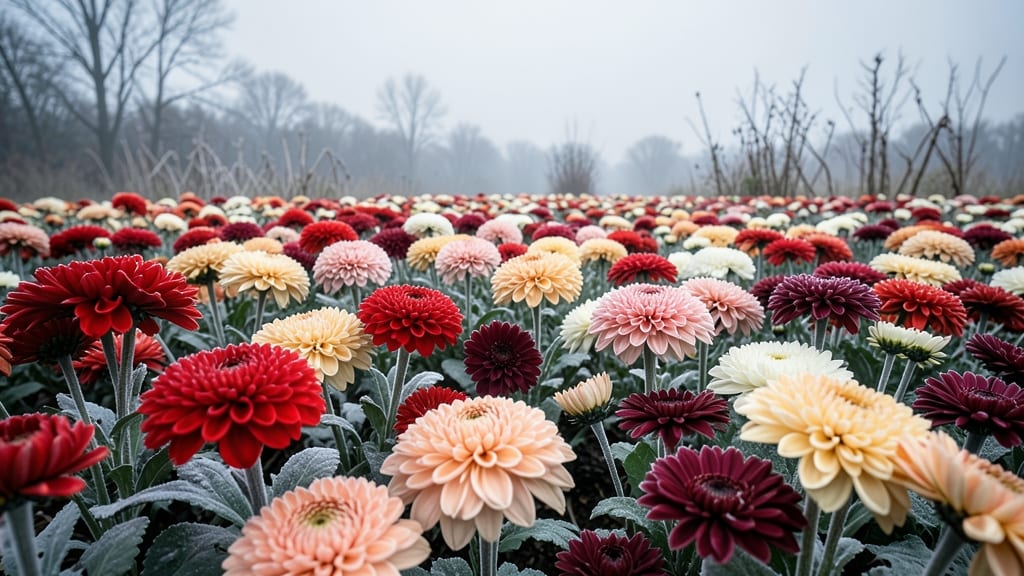
When November’s crisp air arrives, chrysanthemums step in as the star of the late-season show, offering over 40 varieties in every hue from fiery red to soft blush. These hardy perennials thrive in cooler climates, blooming when most gardens have gone quiet—making them the perfect choice for cutting gardens and pollinator support.
Plant them in full sun to partial shade and deadhead spent blooms to encourage more flowers. Their drought-tolerant nature means less watering once established, and they’re deer-resistant, too. Choose compact varieties like 'Bonanza' for borders or tall types like 'Mammoth' for bouquets—both will keep your garden lively well into winter.
Cut-flower gardeners and pollinator enthusiasts will love chrysanthemums for their long vase life and ability to attract bees and butterflies late in the season. 🌻
Pansies: Frost-Resistant Faces for Cool Gardens
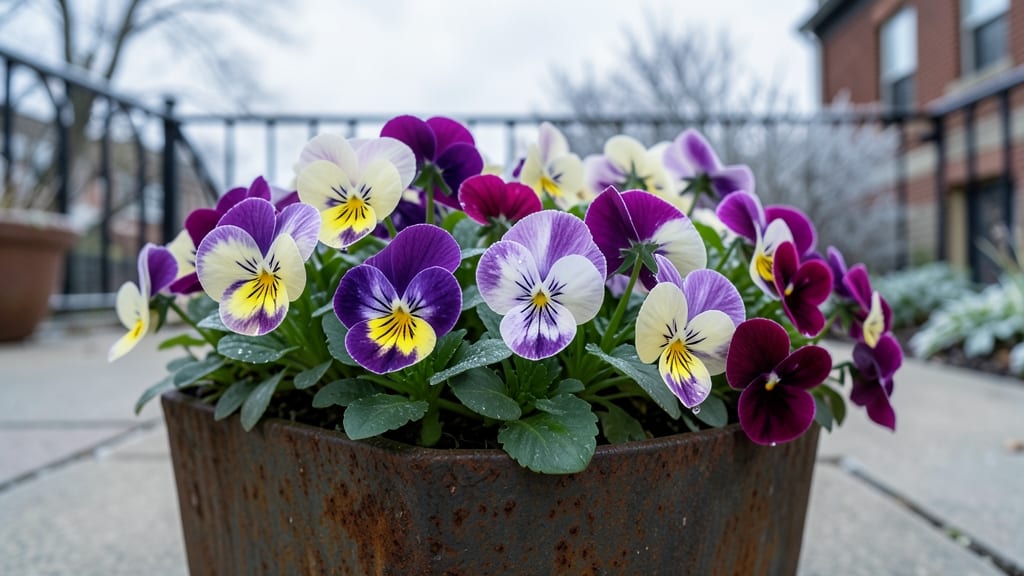
Want a flower that laughs in the face of frost while adding a pop of color to your urban patio or balcony? Pansies are the unsung heroes of cool-season gardening, thriving in temperatures as low as 20°F—and they’re edible too!
These cheerful blooms come in a rainbow of colors and patterns, making them perfect for container gardens where space is limited. Plant them in well-draining soil with 4-6 hours of sun daily, and they’ll reward you with blooms from early fall through late spring. Bonus: Their delicate petals are safe to nibble (yes, really!) and add a peppery flavor to salads.
Urban gardeners and small-space enthusiasts will love how pansies brighten up balconies, window boxes, and even indoor windowsills. Their cold-hardiness means you can enjoy them year-round in mild climates. 🌷
Sweet Alyssum: Honey-Scented Winter Carpet
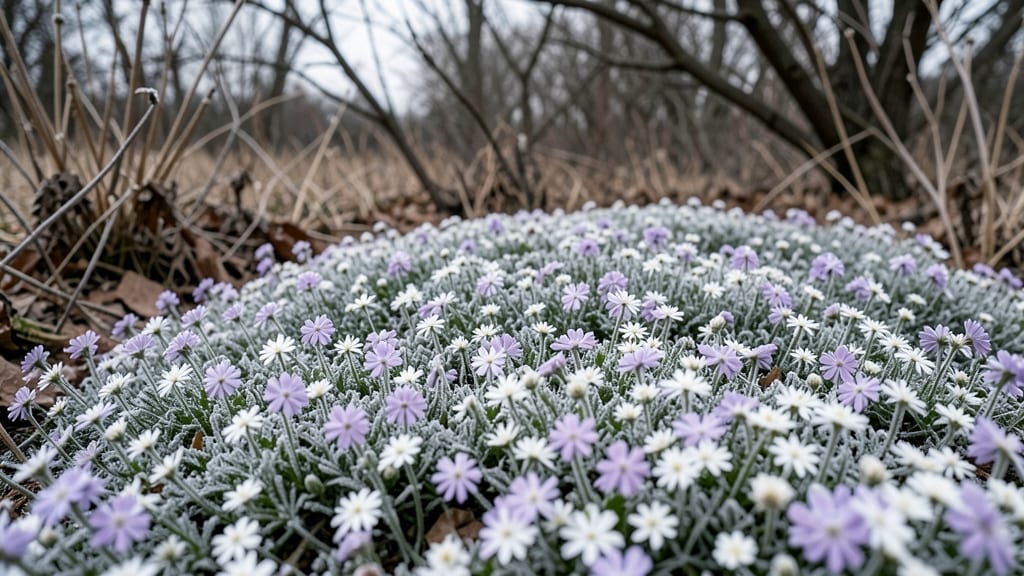
When November's chill settles in, most gardens fade to brown—but sweet alyssum turns winter into a fragrant wonderland. This low-growing annual creates a lush, snow-like carpet of tiny white or purple blooms that release a honey-like scent when brushed, making it a sensory delight for both gardeners and pollinators.
Plant sweet alyssum in well-draining soil with full sun to partial shade, and it will thrive even in light frost (down to 20°F). Its delicate clusters attract late-season bees and butterflies, extending your garden's pollinator support well beyond summer. For best results, deadhead spent blooms to encourage continuous flowering through winter.
This versatile ground cover is perfect for filling gaps between stepping stones, spilling over container edges, or softening the look of bare soil. Urban gardeners and cottage-style enthusiasts will love how it adds texture and fragrance to chilly landscapes. 🌷
Hellebores: Shade-Loving Winter Jewels
When your garden looks like a winter monochrome, helleborus niger—or Christmas roses—steps in as nature’s surprise gift. These evergreen perennials defy the cold, blooming from late fall through early spring with delicate, nodding flowers that seem to glow in the dim light of dark corners.
Unlike sun-loving November bloomers, hellebores thrive in shady, woodland settings where most plants struggle. Their leathery, deep green leaves provide year-round interest, while flowers in shades of white, pink, purple, or green appear even when snow blankets the ground. Plant them in well-draining soil with morning sun and afternoon shade for best results—ideal for under trees or along north-facing walls.
Perfect for gardeners with shady spots or those who want to extend their garden’s season, hellebores reward patience with months of blooms and minimal fuss. 🌿
Cyclamen: Fairy-Like Spotted Blooms
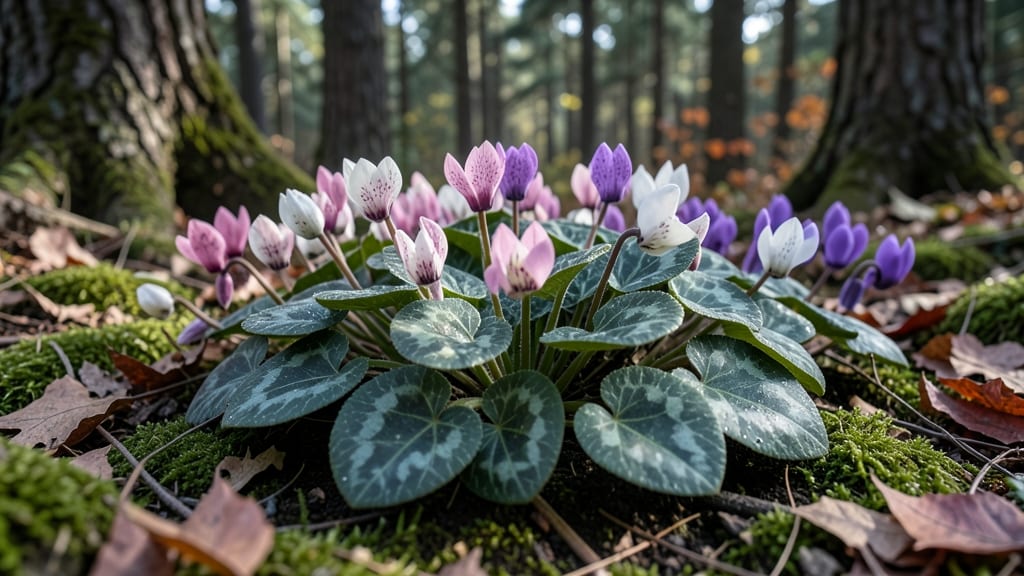
Step into a whimsical woodland wonderland with cyclamen, nature’s own fairy garden plants. Their heart-shaped leaves and delicate, spotted blooms in pink, white, or purple create a magical understory that thrives where sunlight barely touches the ground.
These November-blooming perennials (or tender tubers in warmer zones) love partial to full shade and well-draining soil. Plant them under deciduous trees or shrubs—their fall-to-spring blooms will emerge as leaves drop, creating a stunning contrast. For fairy gardens, pair them with moss and tiny ferns for an enchanted micro-climate. Just keep tubers dry in summer to prevent rot.
Perfect for shade gardeners and fairy enthusiasts, cyclamen bring year-round interest with their evergreen foliage and late-season flowers—even when other plants have gone dormant. 🌷
Violas: Miniature Pansies for Containers
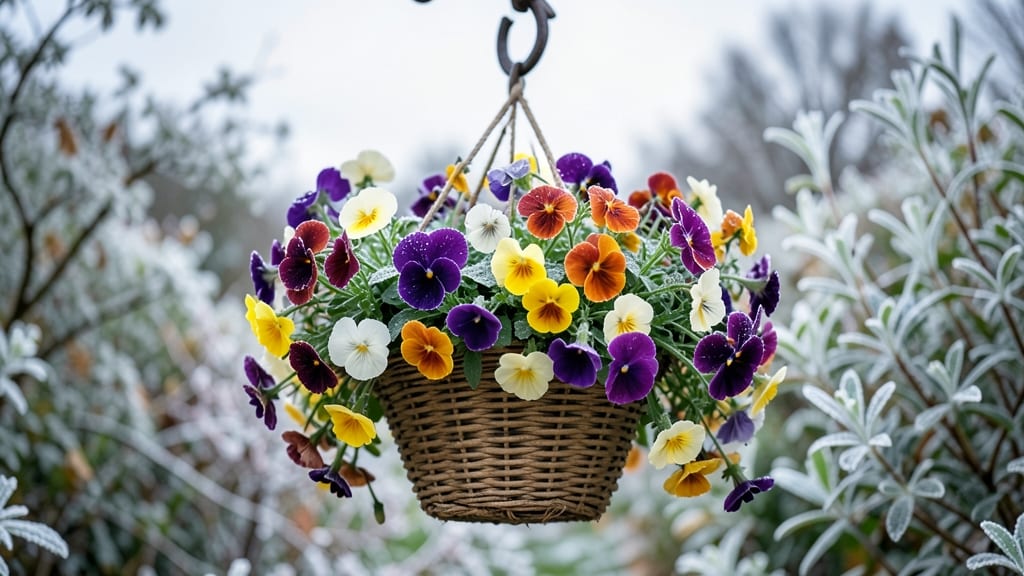
If you love color but lack yard space, violas are your secret weapon for November blooms. These tiny, cold-hardy cousins of pansies pack big personality into compact plants, thriving in hanging baskets where they spill over like confetti. Unlike their larger relatives, violas tolerate light frosts down to 20°F, making them ideal for balconies, patios, or rooftop gardens.
Choose from purple, yellow, or bi-color varieties like 'Johnny Jump Up' or 'Cornwall Gold' for year-round interest. Plant in well-draining soil with 4-6 hours of sun, and deadhead spent blooms to encourage more flowers. Their edible petals (mildly sweet) even make them a whimsical garnish for fall salads—though most gardeners grow them purely for their cheerful faces.
Perfect for small-space gardeners, violas transform bare containers into living art. Pair them with sweet alyssum for a fragrant cascade or calendula for a pop of orange contrast. With minimal care, you’ll have blooms from fall through spring. 🌷
Snowdrops: Harbingers of Spring’s Arrival
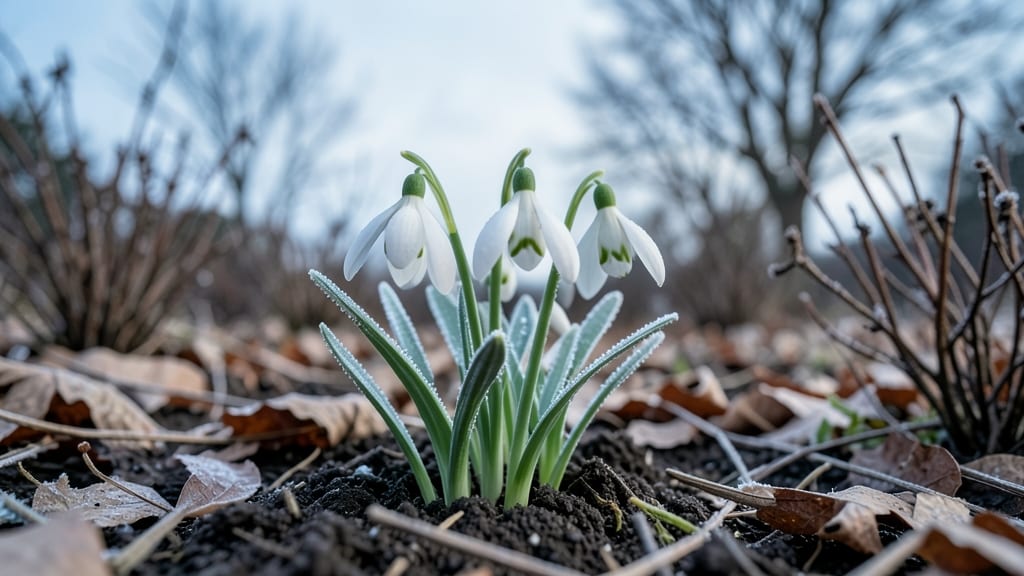
When winter’s grip tightens and most gardens lie dormant, snowdrops (Galanthus) emerge like tiny white lanterns, signaling that spring is on its way. These delicate blooms thrive in USDA Zones 3-9, making them one of the hardiest winter flowers—often appearing through snow or ice.
Plant them in woodland garden edges or under deciduous trees where they’ll receive dappled shade. Their naturalizing habit means they’ll multiply over time, creating lush carpets of early blooms. Snowdrops prefer well-draining, slightly acidic soil and minimal care—just avoid disturbing their roots once established.
Perfect for gardeners who love symbolism, these flowers represent hope and renewal, making them a meaningful addition to shady borders or memorial gardens. 🌱
Winter Jasmine: Fragrant Yellow Cascades
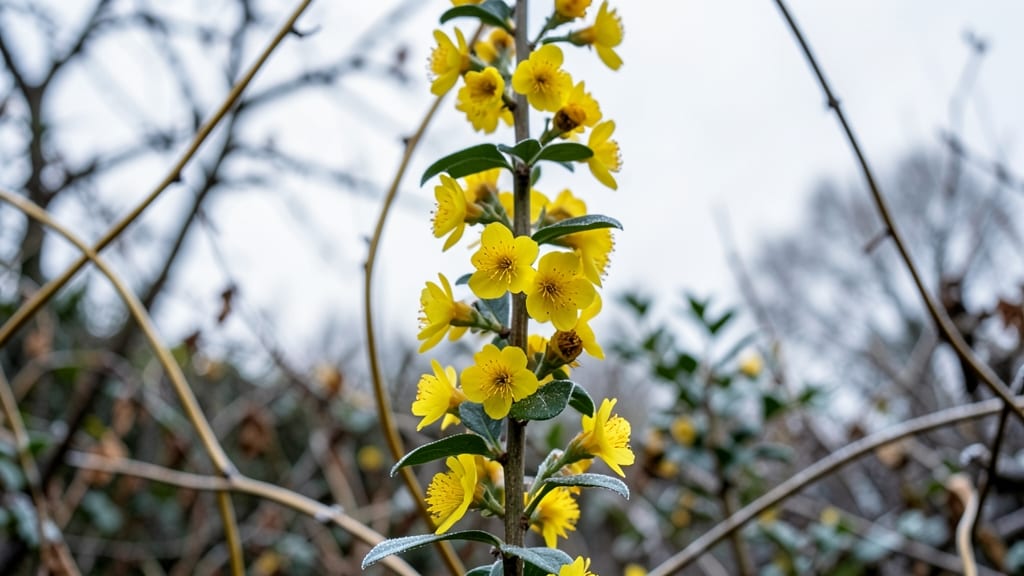
When your garden feels like it’s taking a winter nap, winter jasmine wakes up with a burst of bright yellow flowers that smell like sunshine—even in chilly air. This climbing vine isn’t just a late-season beauty; it’s a fragrant vertical showstopper that thrives where other plants retreat.
Plant winter jasmine along fences, trellises, or arbors for cascading blooms that perfume the air from late winter through early spring. It tolerates USDA zones 6-9, making it versatile for cool climates, and its semi-evergreen foliage adds texture year-round. Prune after flowering to encourage denser growth, and watch it transform bare walls into a cheerful display. 🌻
Calendula: Edible Orange Sunflowers
Looking for a two-in-one November flower that repels pests and adds edible beauty to your garden? Meet calendula—the cheerful orange "pot marigold" that keeps blooming until frost and doubles as a natural pest deterrent.
These hardy annuals thrive in full sun to partial shade and tolerate light frosts, making them perfect for late-season color. Use them as companion plants near tomatoes, peppers, or cabbage to repel aphids and whiteflies, or harvest petals for herbal tea, salads, or homemade skincare. Deadhead spent blooms to encourage more flowers until November’s end.
Urban gardeners and herbalists will love calendula’s versatility—it’s easy to grow from seed, drought-tolerant once established, and adds a pop of color to containers or beds. 🌻
Daffodils: Bold Early Spring Forerunners

While most gardens fade into dormancy by November, late-blooming daffodils like 'Ice Follies' or 'Tête-à-Tête' refuse to surrender to winter's chill. These hardy bulbs can push through snow, offering a cheerful splash of color when you need it most—often blooming as early as late October in mild climates.
For indoor forcing, dig up bulbs in early autumn and store them in a cool, dark place for 12-16 weeks before placing them in water. In outdoor gardens, naturalize them in lawns where their sword-like foliage stays green through winter. The secret to their resilience? Plant bulbs in well-draining soil and avoid overwatering—this prevents rot while they wait for spring's arrival.
These daffodils are perfect for gardeners who want to extend their season's beauty without fuss. Their ability to bloom through snow makes them ideal for early spring celebrations or as a living reminder that winter won't last forever. 🌱