
Blooming
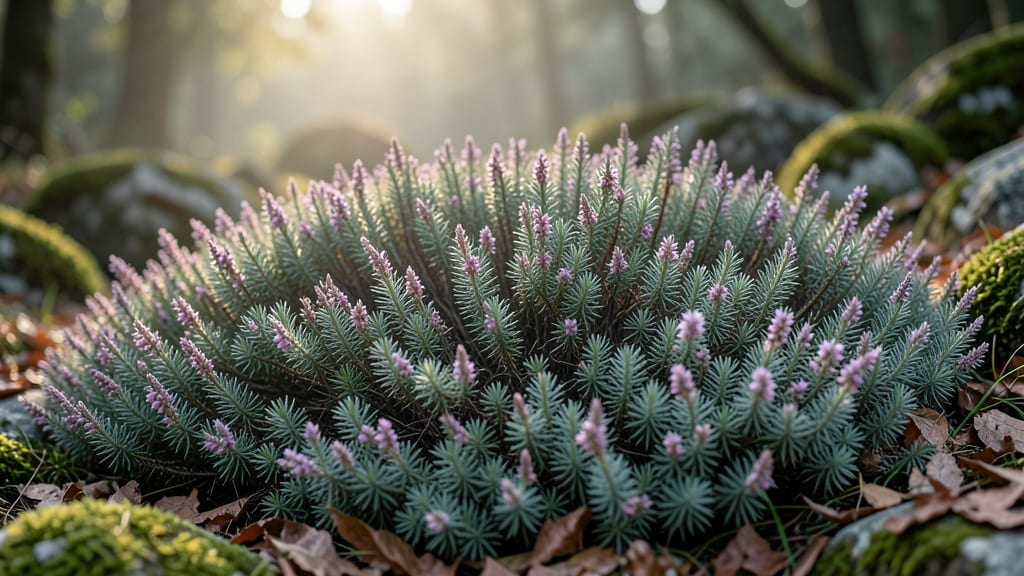
Fall gardens don’t have to be colorless—these October-blooming flowers bring vibrant life when most plants have faded. Perfect for extending your seasonal beauty, they thrive in cool weather and attract pollinators until the first frost.
Chrysanthemums for Bold Fall Color
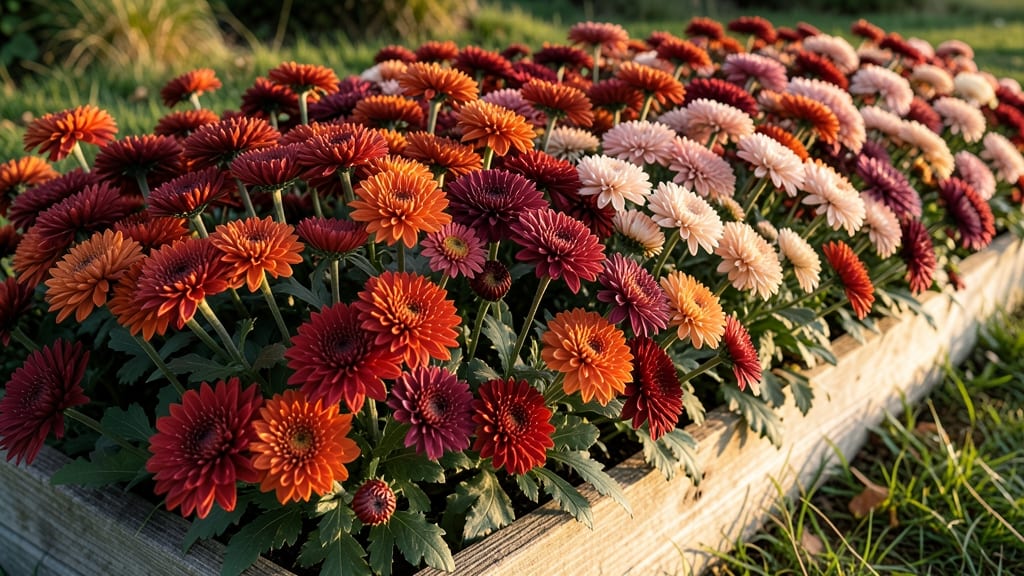
When your garden seems to fade with the shortening days, chrysanthemums step in as the unsung heroes of fall color. Available in every shade from fiery red to soft blush, these hardy perennials (or annuals, depending on variety) transform borders, containers, and vase arrangements with effortless drama.
Plant them in full sun to partial shade for continuous blooms from September through November, and enjoy their drought-tolerant nature once established. For long-lasting cut flowers, harvest stems early in the morning and change water every two days—these blooms stay fresh for two weeks or more in arrangements. Bonus: Many varieties, like the 'Bonanza' series, are deer-resistant and thrive in USDA zones 5-9.
Whether you're a beginner or a seasoned gardener, chrysanthemums deliver instant impact with minimal fuss—perfect for extending your seasonal color show. 🌻
Asters for Late-Season Pollinators
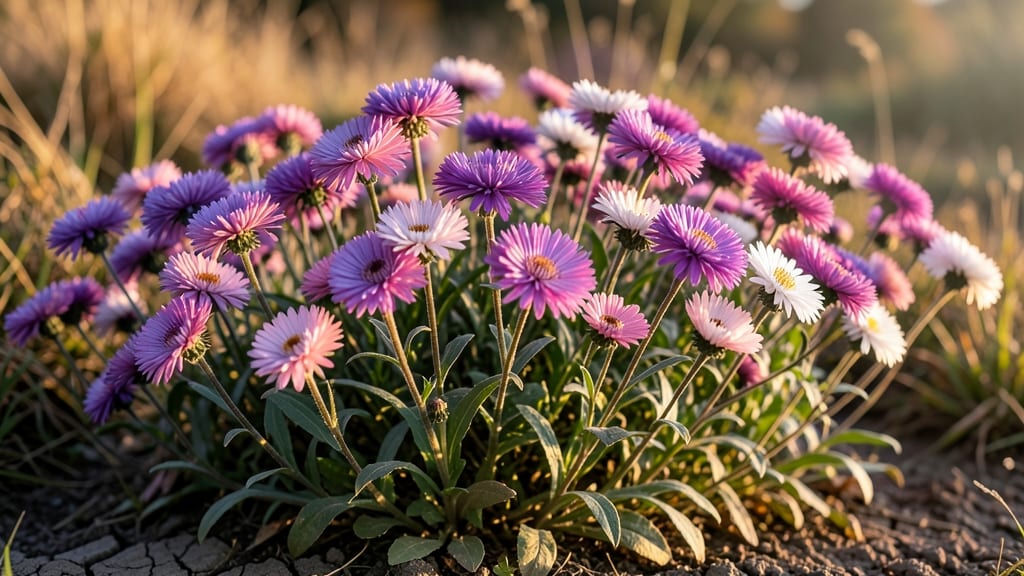
When most gardens fade into dormancy, asters burst into vibrant purple, pink, and white blooms, offering a lifeline for pollinators desperate for nectar. These hardy perennials thrive in drought conditions and poor soil, making them ideal for low-maintenance landscapes.
Plant asters in full sun to partial shade for the best blooms, and deadhead spent flowers to encourage prolonged flowering. Their late-season beauty supports bees and butterflies when food sources are scarce, while their drought tolerance means fewer watering chores for you.
Perfect for native plant gardens and pollinator-friendly landscapes, asters bring both beauty and ecological benefits with minimal effort. 🌻
Japanese Anemones for Elegant Grace
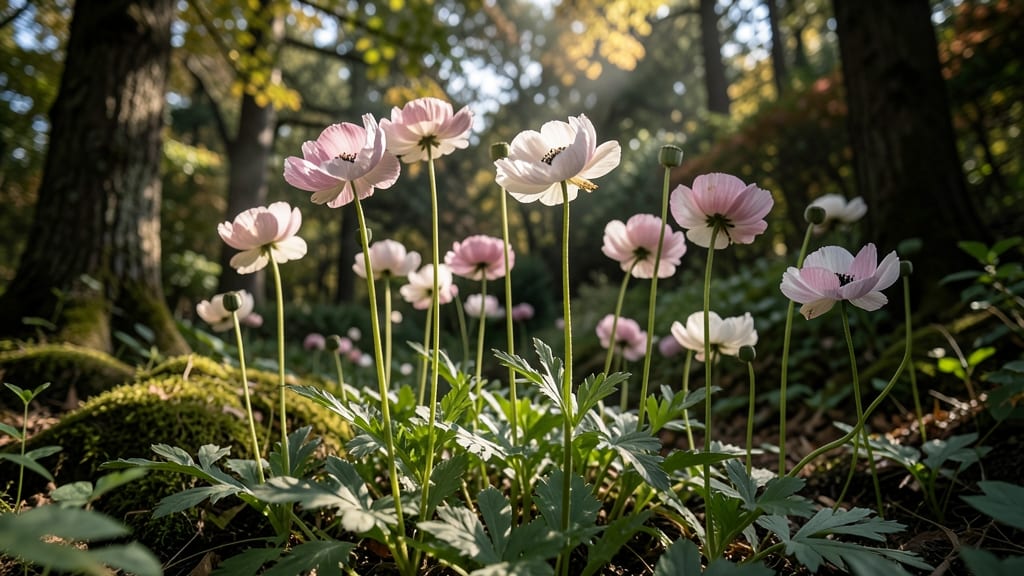
When your garden borders feel flat after summer blooms fade, Japanese anemones step in with their delicate pink or white flowers that dance on tall stems, creating vertical drama where others falter. Unlike sun-loving annuals, these perennials thrive in partial shade, making them perfect for wooded edges, foundation plantings, or under trees where few flowers survive.
What sets them apart is their reblooming habit—many varieties produce a second flush of flowers in late summer or early fall, often lasting into October. Plant them in well-draining soil and water consistently, but avoid soggy roots. Deadhead spent blooms to encourage more flowers, and watch them attract butterflies and bees when other gardens have gone quiet. Their dark green, fern-like foliage adds texture year-round.
Ideal for gardeners who love low-maintenance elegance, Japanese anemones are especially forgiving for shady spots and beginner gardeners tired of fighting for flowers in tough conditions. 🌷
Goldenrod for Pollinator Paradise
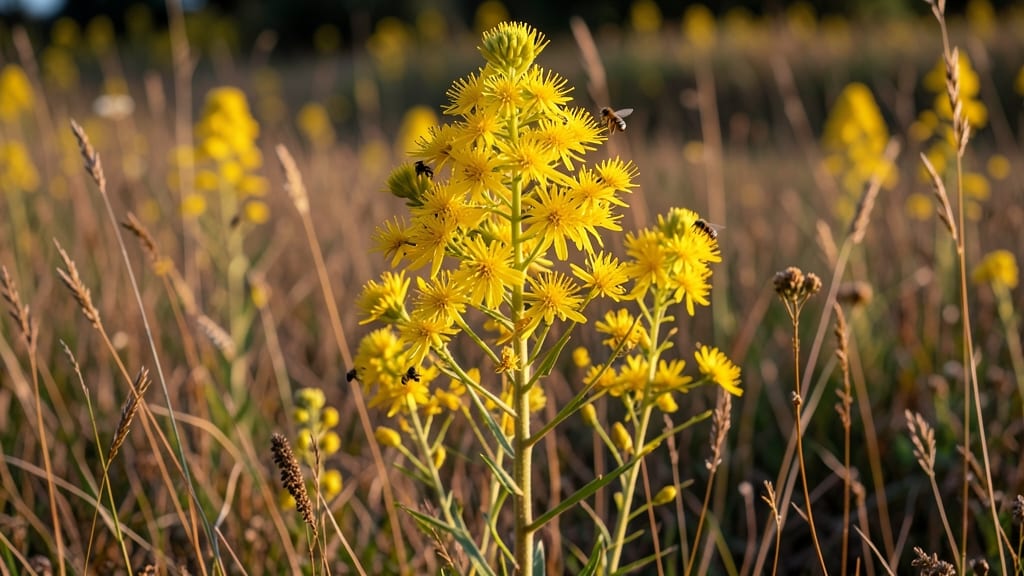
If you’ve ever blamed goldenrod for your fall allergies, think again—this bright yellow wildflower is one of nature’s best pollinator magnets, blooming right when other flowers fade. While ragweed (the real culprit) sneaks by unnoticed, goldenrod stands tall in meadows, attracting bees, butterflies, and even hummingbirds with its nectar-rich blooms.
Goldenrod thrives in poor, dry soil where many plants struggle, making it perfect for prairie gardens, roadside plantings, or even neglected corners of your yard. Plant it in full sun for the most dramatic displays, and watch it self-seed into cheerful patches year after year. Its late-summer to fall bloom time ensures pollinators have food until the first frost.
This hardy perennial is ideal for low-maintenance gardeners and eco-conscious landscapers who want to support wildlife without extra effort. Just avoid cutting it back until winter—those late-season blooms are too important for pollinators! 🌻
Calendula for Edible Fall Beauty
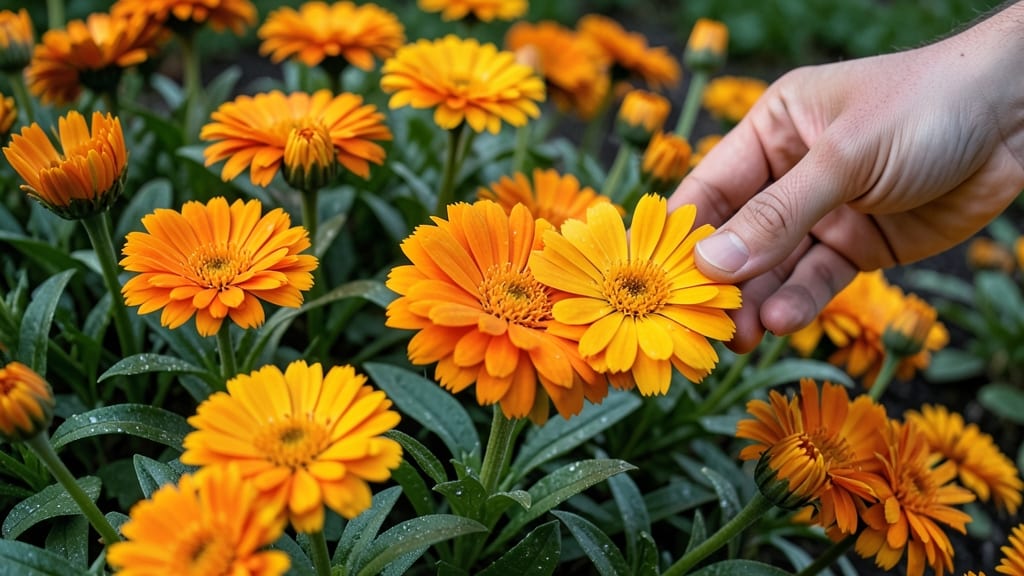
Want a flower that’s as useful as it is beautiful? Calendula delivers bright orange and yellow blooms perfect for October gardens while giving you edible petals for salads, teas, or homemade remedies. Unlike many fall flowers, it thrives in cooler temperatures and even repels pests like aphids and whiteflies.
This versatile annual grows easily in containers or garden beds, needing just 4-6 hours of sun daily and well-drained soil. Harvest petals in the morning for peak flavor, and pinch back spent blooms to encourage more flowers. Its cheerful colors also attract beneficial insects like ladybugs, making it a natural pest control ally.
Urban gardeners and small-space growers will love how calendula fits into kitchen gardens—it’s drought-tolerant once established and even improves soil health. Try mixing it with herbs like thyme or basil for a functional, edible fall display. 🌻
Sedum for Drought-Resistant Elegance
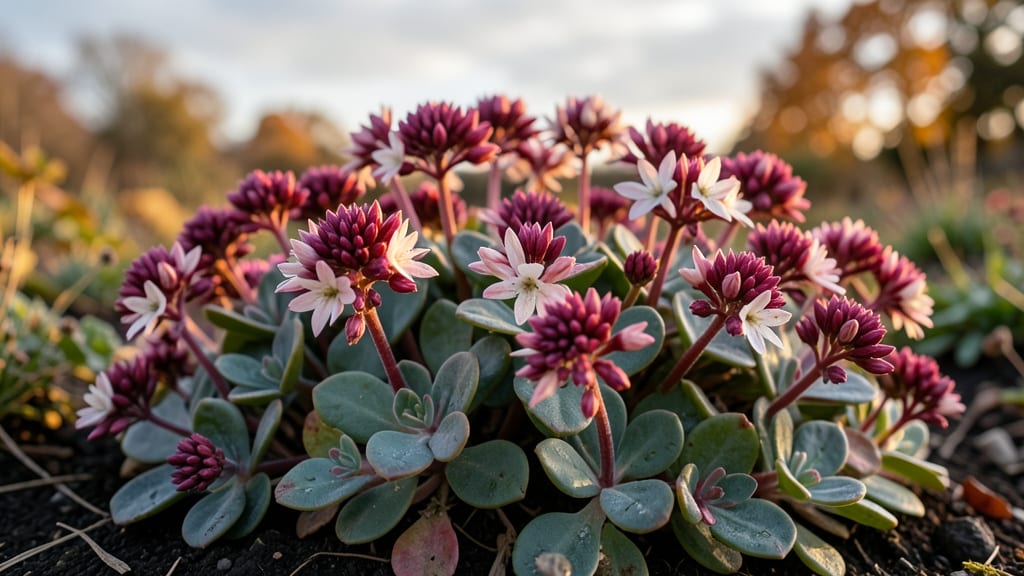
When your garden seems to fade with the first chill of autumn, sedum steps in as the unsung hero—its star-shaped blooms and plump foliage defy the season’s waning light. Unlike many flowers that peter out by October, sedum thrives in the cooler months, offering a burst of color that lasts until frost. The best part? It’s nearly indestructible, making it ideal for busy gardeners or those with rocky, poor soil.
Choose varieties like ‘Autumn Joy’ or ‘Matrona’ for dramatic clusters of pink or deep red blooms that start as green buds and mature into fiery hues. These succulent-like plants need full sun to partial shade and can go weeks without water, perfect for rock gardens, containers, or even between pavement cracks. Prune back faded blooms in early spring to encourage fresh growth, and watch them rebound with vigor.
Sedum is the ultimate low-maintenance star for urban gardens, drought-prone areas, and beginners who want year-round structure with minimal effort. 💚
Cockscomb for Dramatic Texture
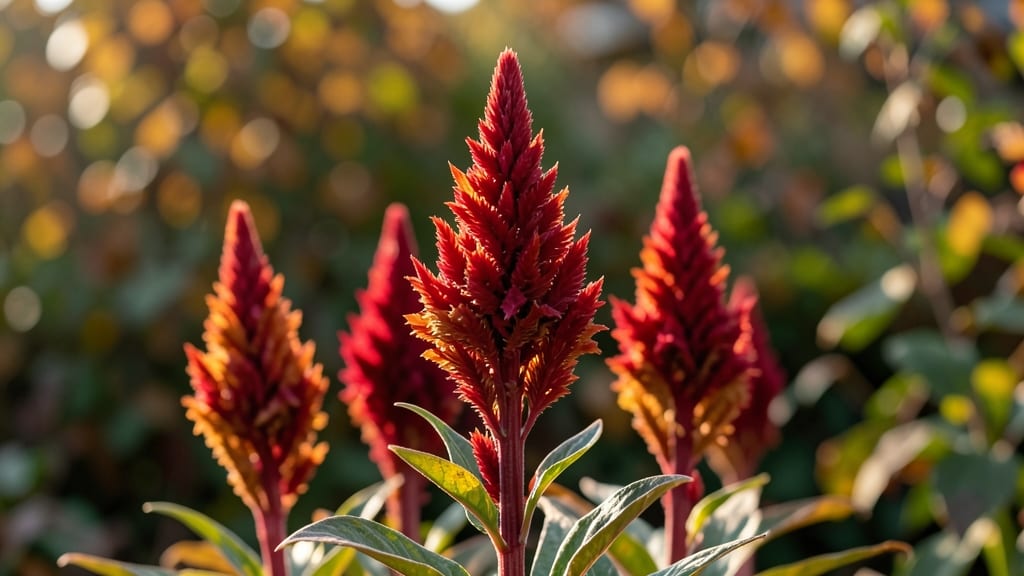
Want to add a dramatic pop to your October arrangements without the fuss of high-maintenance flowers? Cockscomb (Celosia cristata) delivers bold, velvet-textured crests in fiery reds and oranges that stand out against fading foliage.
This heat-loving annual thrives in full sun and blooms prolifically from summer through frost, making it a workhorse for cutting gardens. Its unique, brain-like flower heads dry beautifully for everlasting bouquets, and stems hold up well in water. Simply pinch back leggy growth in early summer to encourage bushier, more abundant blooms—no deadheading required!
Perfect for urban gardeners with limited space, cockscomb grows just 12-24 inches tall and fits beautifully in containers or mixed borders. Its striking contrast with purples and greens makes it a fall favorite for both novice and experienced gardeners alike. ✨
Black-Eyed Susan for Wildflower Charm
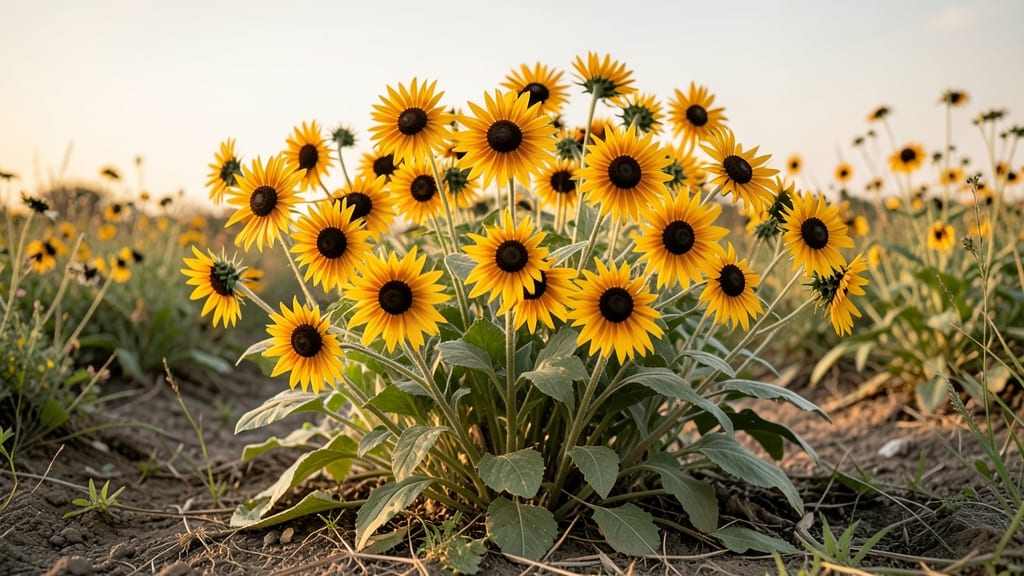
Skip the fuss of high-maintenance fall flowers—Black-Eyed Susans (Rudbeckia hirta) deliver effortless charm with their bright yellow petals and dark centers. These native beauties thrive in full sun to partial shade and tolerate poor soil, making them ideal for wildflower meadows or cottage garden borders.
Plant them in early spring for blooms that last from summer through October, and deadhead spent flowers to encourage more blooms. Their pollinator-friendly nature attracts bees, butterflies, and birds, while their drought tolerance means less watering for you. Perfect for gardeners who want beauty without the upkeep!
Whether you're filling gaps in a low-maintenance landscape or adding a pop of color to a wildflower patch, Black-Eyed Susans bring joy with minimal effort. 🌻
Dahlia for Late-Season Opulence
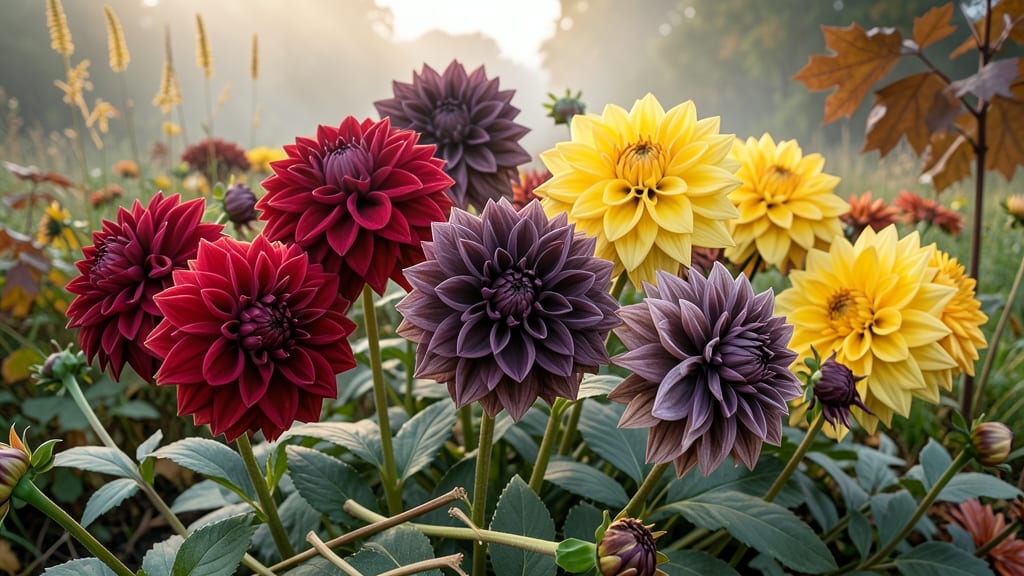
When you crave dramatic, long-lasting blooms that defy autumn’s chill, dahlias are your secret weapon. Unlike many flowers that fade by October, these showstoppers keep producing bold, layered blooms until the first frost—if you commit to a simple deadheading routine.
With over 100 varieties (from dinner-plate-sized pompons to delicate cactus blooms), dahlias adapt to containers, cutting gardens, or mixed borders. Plant them in full sun with well-draining soil, and pinch back early shoots to encourage bushier growth. The key to their late-season magic? Snip spent blooms daily to redirect energy into new flowers—this keeps them blooming weeks longer than most perennials.
Perfect for florists, urban gardeners with small spaces, or anyone who loves fresh bouquets, dahlias turn October into a color extravaganza with minimal effort. 🌻
Heather for Fragrant Ground Cover

When most gardens fade into dormancy by October, heather steps in to create a fragrant, evergreen carpet that defies the season. Unlike other fall flowers, this hardy shrub thrives in acidic soil and partial shade—ideal for woodland edges, rock gardens, or under trees where sunlight is limited.
Its tiny bell-shaped blooms in pink or purple release a sweet, honey-like scent that attracts bees and hummingbirds, while the needle-like foliage stays lush year-round. Plant in well-draining soil and prune lightly after flowering to encourage dense growth. Varieties like Calluna vulgaris bloom from late summer through October, making it a standout for late-season color.
Perfect for beginners or shaded gardens, heather requires almost no maintenance once established. It’s the ultimate solution for adding texture, fragrance, and color to spots where other flowers refuse to grow. 🌷