
Blooming
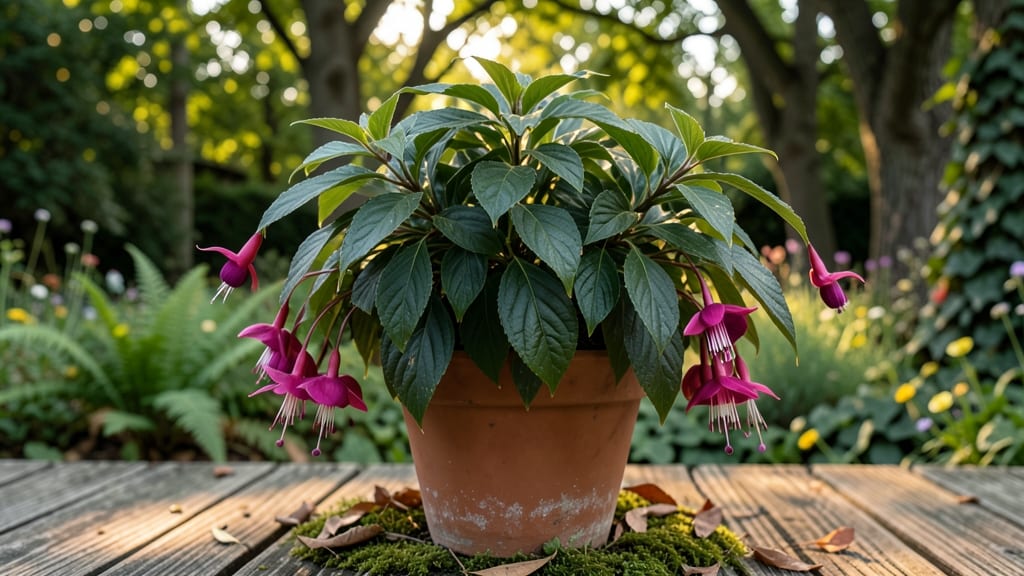
Understanding fuchsia bloom time is the key to turning your garden from a single summer showstopper into a year-round display of 🌸.
Struggling to get your fuchsias to rebloom every year? The secret isn’t just water or fertilizer—it’s understanding their heat-triggered bloom cycles and how your hardiness zone affects timing. With the right knowledge, you can extend fuchsia bloom time from a single summer burst to multiple seasonal displays.
In Zone 6a, where many gardeners live, fuchsias typically burst into color in late spring, but with the right care, they can keep blooming well into fall. The trick lies in recognizing when they need a little extra warmth or protection from sudden temperature drops.
In this guide, I’ll walk you through the science behind their blooming cycles, how to adjust care for your specific zone, and the simple tricks to coax those 🌸 back for a second or even third show. Let’s make your fuchsias the star of every season!
How heat triggers fuchsia bloom time and seasonal patterns
Fuchsias are heat-sensitive bloomers, meaning their flowering cycles are directly tied to temperature shifts. Unlike many plants that bloom based on day length alone, fuchsias respond to nighttime warmth and diurnal temperature swings.
This unique sensitivity explains why your Zone 7 fuchsias might bloom in late spring and again in fall, while Zone 10 varieties can flower year-round with minimal dormancy.
The key to extending fuchsia bloom time lies in understanding these heat-triggered responses. When nights stay above 55°F (13°C) consistently, your fuchsias receive the signal to initiate bud formation.
However, if temperatures dip below 45°F (7°C) for more than a few days, they’ll enter dormancy, halting blooms until warmth returns. This is why fall reblooms often occur in milder climates—cooler days paired with warm nights create the perfect trigger.
| Temperature Stage | Bloom Response | Optimal Conditions | Actionable Tip |
|---|---|---|---|
| Initial Bud Formation | First blooms appear | Day: 65-75°F (18-24°C), Night: 55-60°F (13-16°C) | Prune lightly to encourage branching |
| Peak Blooming | Continuous flowers | Day: 70-80°F (21-27°C), Night: 60-65°F (16-18°C) | Deadhead spent blooms weekly |
| Late-Spring Heat Spike | Rebloom trigger | Day: 75-85°F (24-29°C), Night: 60°F+ (16°C+) | Increase water slightly to prevent stress |
| Fall Temperature Drop | Second bloom cycle | Day: 60-70°F (16-21°C), Night: 50-55°F (10-13°C) | Move pots to sheltered spot if frost threatens |
| Dormancy Trigger | Blooms halt | Night temps < 45°F (7°C) for 3+ days | Reduce watering; mulch to protect roots |
One of the most misunderstood aspects of fuchsia care is their day-length sensitivity. While they’re not strictly short-day plants, they do respond to longer daylight hours in combination with warmth.
For example, in Zone 5, your fuchsias might wait until June to bloom because the soil hasn’t warmed enough earlier in the season. In contrast, Zone 9 gardeners often see blooms as early as April because the ground thaws sooner.
To extend bloom time, focus on nighttime warmth during critical periods. If you’re in a cooler climate, consider using row covers or black plastic mulch to raise soil temperatures by 5-10°F.
This small adjustment can push your first blooms forward by 2-3 weeks and encourage a fall rebloom when nights stay above 50°F (10°C).
Pruning plays a surprisingly large role in heat-triggered blooming. When you pinch back new growth in early summer, you’re not just shaping the plant—you’re stimulating lateral buds that will respond to late-summer heat waves.
These buds, formed in response to warm nights, often produce your most vibrant fall blooms. Think of it as training your fuchsia to bloom twice: once in spring/early summer and again in fall.
Another pro tip for reblooming fuchsias is to mim
Zone-specific fuchsia bloom time: when and how to extend reblooms
Your USDA hardiness zone determines when fuchsias bloom—and how often they’ll rebloom. In Zones 3-5, expect a single summer burst (June-August), while Zones 7-10 often enjoy fall reblooms or even year-round flowers. The key? Understanding how heat triggers and pruning timing work together to extend your fuchsia’s show.
For example, Zone 7 gardeners can push blooms into October with strategic pruning, while Zone 10 growers may see continuous blooms if they mimic seasonal temperature shifts. Let’s break down the zone-specific bloom windows and actionable tips to keep your fuchsias flowering longer.
🌸 Zone-Specific Fuchsia Bloom Secrets
- Zones 3-5: June-August bloom only; prune after frost to encourage next year’s buds.
- Zones 6-7: May-September with fall rebloom if nights stay above 50°F.
- Zones 8-9: March-November blooms; light pruning every 6 weeks keeps growth vigorous.
- Zone 10: Year-round potential—protect from heat spikes over 95°F to avoid dormancy.
- All Zones: Deadhead daily to redirect energy; use row covers for early/late-season protection.
In Zones 3-5, fuchsias treat blooms like a one-time event. After their June-August display, they focus on storing energy for next year. To extend blooms, prune back by ⅓ in early spring and use lightweight row covers to shield from late frosts.
This tricks the plant into thinking it’s warmer, prompting earlier bud formation.
Gardeners in Zones 6-7 get a bonus: a fall rebloom if temperatures stay above 50°F at night. To maximize this, prune lightly in July to remove leggy growth, then fertilize with phosphorus (like 5-10-5) in August.
This shift in nutrients signals the plant to produce late-season buds instead of focusing on foliage.
For Zones 8-9, where blooms stretch from March to November, the challenge is preventing heat stress. When daytime temps hit 90°F, move potted fuchsias to shadier spots or provide afternoon shade cloth. A weekly misting also helps—just avoid wetting the flowers to prevent mildew.
In Zone 10, fuchsias can bloom year-round, but they need seasonal cues. Simulate cooler nights in summer by placing plants near a fan or watering soil surfaces to lower temps.
For container growers, rotate pots weekly to ensure even light exposure, which prevents one-sided growth that cuts bloom production.
No matter your zone, deadheading is non-negotiable. Remove spent blooms daily to prevent seed formation, which drains energy. Pair this with biweekly pruning (cutting back 10% of growth) to maintain a bushy shape.
For extra-long blooms, try a half-strength fish emulsion every 4 weeks—it’s rich in micronutrients that boost flower production.