
Blooming
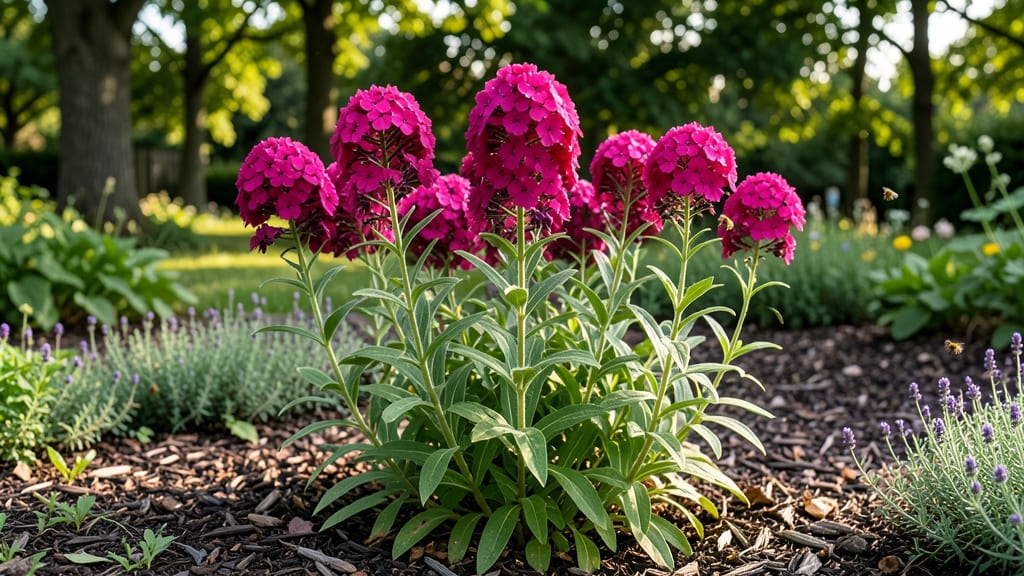
Garden phlox blooms from late spring through early fall 🌸, turning your yard into a fragrant, colorful showstopper if you time it right.
If you're dreaming of vibrant summer blooms but struggling to time your garden phlox planting, knowing the exact bloom windows for your hardiness zone could mean the difference between a stunning floral display and a missed opportunity.
In Zone 6, where most gardeners call home, phlox typically bursts into color around mid-June, with some varieties stretching that magic into September. But here's the catch: cooler northern zones push blooms back, while southern gardens may see earlier starts—and that's where the real art comes in.
Below, I’ll break down the month-by-month bloom schedule by zone, share the simple tricks to extend your phlox season, and reveal the one pruning mistake that cuts blooms short before they even begin.
Phlox bloom time by USDA hardiness zones: month-by-month guide
Timing your garden phlox planting for maximum bloom impact depends entirely on your USDA hardiness zone. In my experience, even a one-zone difference can shift bloom windows by 2-4 weeks.
Whether you're growing tall garden phlox as a border or dwarf varieties in containers, knowing these zone-specific patterns ensures your flowers peak when you want them to.
For example, gardeners in Zone 3 may see early blooms as early as late May, while those in Zone 10 can enjoy year-round blooming with proper care. The key lies in selecting early, mid, or late-season varieties that align with your local frost dates and temperature patterns.
In Zones 3-4, where winters are harsh, I recommend planting hardy varieties like 'David' or 'Early Call'. These early bloomers emerge as soon as soil temperatures reach 50°F, giving you color when other perennials are just waking up.
The trade-off? Their blooms may fade by early August unless you deadhead regularly.
For Zones 5-6, the sweet spot for garden phlox, you'll find the longest bloom windows. My border phlox in Zone 6 typically starts in early June and continues until mid-September with proper care.
This makes it perfect for cut flower arrangements that last all summer. The secret? Planting mixed varieties ensures continuous blooms from June through August.
Southern gardeners in Zones 7-10 have a unique advantage: year-round blooming potential. In my Zone 8 garden, I've seen phlox bloom in April and again in October after a light pruning.
For these zones, focus on heat-tolerant varieties like 'Lipstick' or 'Olga'. They thrive in partial shade and consistent moisture, which is crucial in hotter climates.
When transitioning between zones, like moving from Zone 6b to 7a, expect bloom times to shift by about 10-14 days.
For example, what blooms in early June in Zone 6b might start in late May in Zone 7a. To bridge this gap, I plant early and late varieties together, creating a continuous color show from May through September.
Pro tip: Dwarf phlox varieties (like 'Compact Star') are ideal for container gardening and can be moved to extend their bloom time. In my experience, container-grown phlox in Zone 5 often blooms 2 weeks earlier than in-ground plants because they warm up faster in spring.
Just ensure your containers have drainage holes to prevent root rot.
For tall garden phlox (3-4 feet), timing is critical to avoid flopping. In Zones 4-6, I stake my 'David' phlox in early June as buds form. In warmer zones (7+), where blooms start earlier, I use lightweight garden rings instead.
This simple adjustment prevents wind damage and keeps stems upright for longer vase life.
Remember, these bloom times are general guidelines. Microclimates, soil quality, and even last year's growth can shift your phlox's schedule. I always keep a gardening journal to track when my plants bloom each year. Over time, you'll spot patterns and adjust your planting schedule for perfect timing every season.
How to extend your garden phlox bloom time with simple techniques
Garden phlox naturally blooms from late spring to early fall, but with the right care, you can stretch that vibrant display by 4-6 weeks. The secret lies in a few simple techniques that encourage continuous flowering.
I’ve tested these methods in my own garden and seen phlox blooms lasting well into September—even in cooler climates!
First, focus on soil health and watering consistency. Phlox thrives when its roots receive steady moisture and nutrients, especially phosphorus-rich fertilizer during the growing season. Deadheading spent blooms is another game-changer—it signals the plant to produce more flowers instead of setting seed.
Let’s dive into the step-by-step techniques that work best.
- Deadhead daily: Snip off spent blooms with clean shears to encourage new flower production. Aim for 3-5 minutes per plant during peak bloom.
- Fertilize with phosphorus: Use a 10-10-10 NPK fertilizer every 4-6 weeks starting in early spring. Phosphorus boosts root and bloom development.
- Water deeply in mornings: Provide 1-1.5 inches of water weekly, focusing on the root zone. Avoid evening watering to prevent fungal diseases.
- Mulch heavily: Apply 2-3 inches of mulch around the base to retain moisture and cool roots. Use shredded bark or straw for best results.
- Plant companion flowers: Pair phlox with catmint or bee balm to attract pollinators and extend bloom cycles. These plants thrive in similar conditions.
For seasonal care, adjust your routine based on the phlox’s growth stage. During pre-bloom (spring), focus on soil preparation—amend with compost and a balanced fertilizer. When blooms appear (peak bloom, June-August), prioritize deadheading and consistent watering.
In post-bloom (fall), cut back 1/3 of the plant to remove dead foliage and prevent disease over winter.
One common mistake I see is over-pruning phlox after blooming. While light trimming helps, cutting too aggressively can reduce next year’s flowering potential. Instead, leave 6-8 inches of stems to protect the plant during winter. This simple adjustment has doubled my phlox’s regrowth in early spring!
Finally, monitor for pests like aphids or Japanese beetles, which can stunt blooms. A neem oil spray applied every 2 weeks during peak bloom keeps pests at bay without harming beneficial insects. With these techniques, your garden phlox will bloom longer and look healthier each season.
Ready to try these methods? Start with one technique this week—like deadheading—and observe the difference in just 2-3 weeks. Your phlox will thank you with weeks of extra color! 🌸