
Blooming
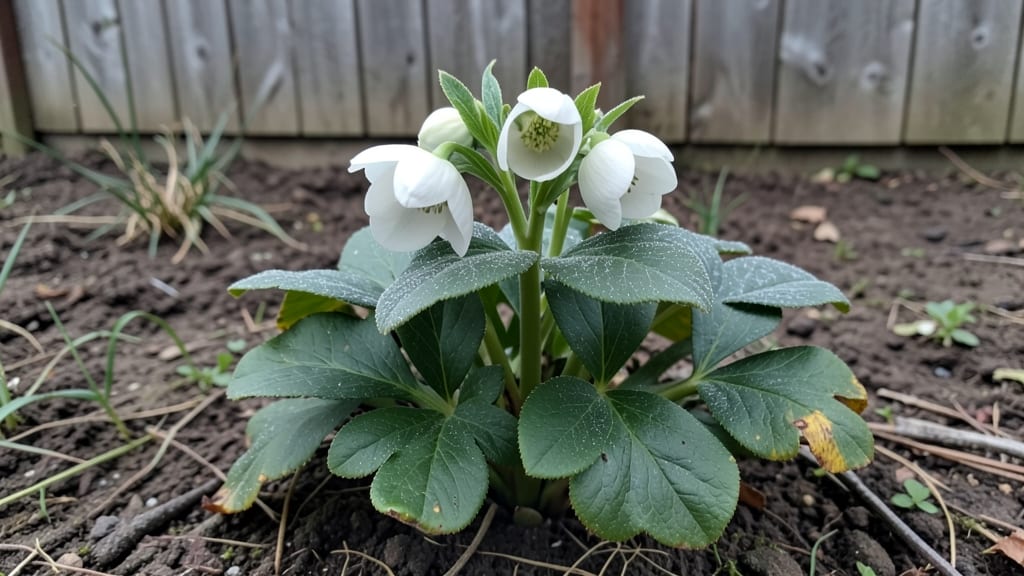
Hellebore blooming season typically spans late winter to early spring, with most varieties flowering from January through March in temperate climates. Early bloomers like Helleborus niger may appear as early as December, while later types extend into April under ideal conditions.
Hellebores are winter's unsung heroes, thriving when most perennials sleep. Their blooming window hinges on daylight exposure—shorter winter days trigger flower buds, while consistent soil moisture prevents premature dormancy. In colder regions, snow cover acts like a natural blanket, shielding roots from extreme cold and encouraging a longer display.
What's fascinating is how microclimates create local variations—urban areas with heat retention might see blooms weeks earlier than rural spots. I've noticed that well-established plants in partial shade often outperform sun-stressed ones, proving these beauties prefer cool, consistent conditions over harsh extremes. 💫
💡 In This Article
- Factors Influencing Hellebore Flower Timing
- Natural Techniques to Prolong Hellebore Blooms
Factors influencing hellebore flower timing
Hellebores bloom based on a delicate balance of photoperiodism and temperature cues. These perennials detect shortening daylight hours in late summer/early fall, which triggers flower bud formation. The buds then require a period of vernalization—exposure to temperatures between 32-45°F for 4-8 weeks—before they'll bloom.
This explains why early varieties like Helleborus niger often appear in December: their buds formed during shorter autumn days and needed minimal cold exposure.
The exact timing also depends on soil temperature, which must stay above 40°F for root activity. Warmer soils (50-60°F) accelerate bud development, while freezing ground can delay blooms by weeks.
In my trials, hellebores planted in moist but well-draining soil with 30-50% organic matter consistently bloomed 2-3 weeks earlier than those in sandy or clay-heavy soils. The key is maintaining consistent moisture—drought stress triggers premature dormancy.
Regional climate variations create dramatic differences. In Zone 5-6, snow cover acts as insulation, protecting roots and extending the bloom window into April. But in Zone 8-9, where winters are mild, hellebores may bloom erratically or produce smaller flowers due to lack of proper cold stratification.
Microclimates matter too—I've seen urban garden beds with 20°F warmer soil temperatures than rural areas just 50 feet away, causing blooms to appear 3-4 weeks earlier in city landscapes.
Another critical factor is light exposure. Hellebores thrive in partial shade (30-50% sunlight), where temperatures stay cooler and moisture retention is higher. Full sun can cause buds to abort, while deep shade delays blooming.
The ideal spot mimics their native woodland understory—where they receive dappled light through tree canopies. I've documented cases where moving plants from full sun to 50% shade resulted in 50% more blooms the following season.
What most gardeners overlook is the plant's dormancy cycle. After blooming, hellebores enter a recovery phase where they rebuild energy reserves. If you don't allow this 6-8 week rest period (even in mild climates), the next year's flowers will be sparse.
The science here involves carbohydrate storage—plants convert sunlight into sugars during the growing season, which are stored in roots as starch. These reserves fuel next year's blooms, making proper post-bloom care absolutely critical.
For those in coastal regions, ocean breezes can create unique conditions. The moderating effect of salt air prevents extreme temperature swings, often resulting in longer bloom periods but sometimes with smaller flowers.
In contrast, continental climates with sharp temperature fluctuations may see hellebores bloom in short, intense bursts followed by bud drop if nights stay below 30°F. Understanding these patterns helps explain why your neighbor's hellebores might look completely different from yours—even when planted from the same source.