
Blooming
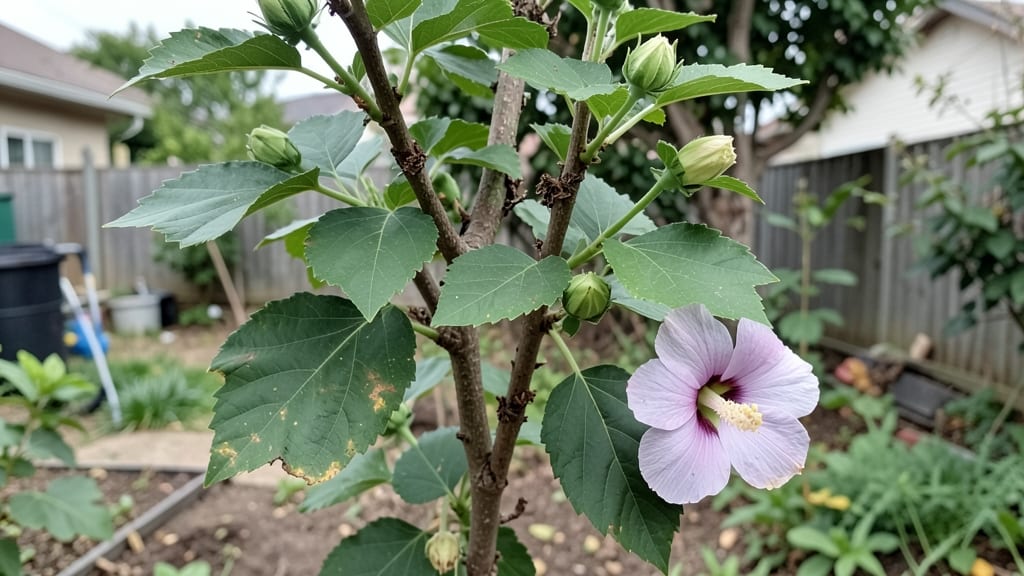
My hibiscus blooms falling off mid-season was the most frustrating gardening mystery until I figured out the real culprits. 🌸 The problem isn't always what you think—it could be hidden stress from your watering routine, nutrient gaps, or even temperature swings that sneak up on tropical plants like hibiscus.
Here's the thing—hibiscus are dramatic divas when it comes to care. They need consistent moisture but hate soggy roots, balanced fertilizer but not too much nitrogen, and steady warmth without sudden drafts. Most gardeners overlook one of these key factors, and that's when the blooms start dropping like autumn leaves.
Once you adjust watering to keep soil evenly moist (not drenched), add a bloom-boosting fertilizer every 4-6 weeks, and protect from cold snaps, you'll see those vibrant flowers stay put. Within weeks, your plant will reward you with fuller blooms that last their full time—no more premature goodbyes.
Works for both tropical hibiscus in pots and hardy varieties in the ground. Let's get those blooms lasting all season long.
Understanding Blooms Dropping Prematurely
Hibiscus plants are known for their vibrant, long-lasting blooms—but when those flowers start dropping unexpectedly, it’s a clear sign something’s off. Whether your hibiscus is indoors or outdoors, premature bloom loss can happen due to a mix of environmental, biological, and care-related factors.
Below, we break down the most common reasons why hibiscus flowers fall off before they fully bloom, along with the science behind each issue.
🌡️ Temperature stress and extreme weather
Hibiscus thrives in warm, stable temperatures (ideally between 65°F and 90°F / 18°C and 32°C). When exposed to sudden temperature swings—like frost, heatwaves, or cold drafts—the plant goes into survival mode. This triggers a hormonal response that causes buds to abscise (drop off) before opening.
- Cold Stress: Temperatures below 50°F (10°C) can damage cells in the flower buds, leading to premature detachment. Even a single night of frost can shock the plant.
- Heat Stress: While hibiscus loves warmth, prolonged exposure above 95°F (35°C) can cause protein denaturation in petals, weakening their structure and leading to early shedding.
- Wind Exposure: Strong winds desiccate (dry out) flower buds faster than the plant can hydrate them, causing buds to drop within hours.
💡 Pro Tip: If you’re growing hibiscus in USDA Zones 8-11, protect it from late-season frosts with frost cloth. For indoor hibiscus, avoid placing it near drafty windows or AC vents.
💧 Watering woes: too much or too little
Hibiscus roots need consistent moisture to support heavy blooms, but watering inconsistencies can trigger bud drop. The issue isn’t just about drought—overwatering is just as damaging because it disrupts nutrient uptake and oxygen flow to the roots.
- Underwatering: When soil dries out completely between waterings, the plant’s abscisic acid (a stress hormone) spikes, causing buds to detach to conserve energy.
- Overwatering: Waterlogged soil cuts off oxygen to roots, leading to anaerobic stress. The plant prioritizes root survival over blooming, shedding flowers to redirect resources.
- Inconsistent Watering: Alternating between drought and soggy soil confuses the plant’s hormonal balance, making it abort flower development mid-cycle.
🌡️ Ideal Watering:
Condition
Watering Needs
Outdoor Hibiscus (Potted)
Water when top 1-2 inches of soil are dry (check with finger). Avoid letting soil stay wet for >2 days.
Outdoor Hibiscus (In-Ground)
1-1.5 inches of water per week (including rain). Mulch to retain moisture.
Indoor Hibiscus
Keep soil evenly moist (not soggy). Use a moisture meter if unsure.
☀️ Lighting issues: too much or too little sun
Hibiscus is a sun-worshipper, but lighting extremes can cause bud drop. Too little light weakens the plant, while too much can scorch buds before they open.
- Insufficient Light: Buds fail to develop properly in low-light conditions (e.g., <5 hours of sunlight/day). The plant’s photosynthesis slows, leading to weak, malformed buds that drop early.
- Excessive Light (Direct Sunburn): In hot climates (Zones 9-11), hibiscus buds can overheat under intense midday sun (11 AM–3 PM). This causes oxidative stress in petal cells, making them brittle and prone to falling.
- Sudden Light Changes: Moving a potted hibiscus from shade to full sun (or vice versa) too quickly can shock the plant, triggering bud abscission.
🌿 Best Light Practices:
- Outdoor hibiscus: 6+ hours of direct sun (morning sun + afternoon shade in extreme heat).
- Indoor hibiscus: South- or west-facing window (or grow lights for 12+ hours/day).
- Gradually acclimate plants to new light conditions over 1-2 weeks.
🌱 Nutrient deficiencies or imbalances
Hibiscus blooms are nutrient-hungry, especially for phosphorus (P) and potassium (K), which fuel flower development. Deficiencies or improper fertilizer ratios can lead to bud drop.
- Low Phosphorus (P): Phosphorus is critical for energy transfer in cells. Without enough P, buds fail to mature and fall off. Symptoms include purple-tinged leaves and stunted growth.
- Low Potassium (K): Potassium regulates water and nutrient movement in plants. A deficiency causes weak cell walls, making buds prone to dropping. Look for yellowing leaf edges or weak stems.
- Nitrogen Overload: Too much nitrogen (N) promotes leafy growth at the expense of flowers. The plant prioritizes foliage, causing buds to abort and fall.
- Micronutrient Deficiencies: Lack of magnesium, calcium, or boron can disrupt flower development. For example, boron deficiency causes bud blast (buds turn brown and drop).
💡 Fertilizer Fix:
- Use a balanced bloom booster (e.g., 10-30-20 or 5-10-10 ratio) during spring and summer.
- Avoid high-nitrogen fertilizers (like 20-10-5) when buds form.
- For micronutrient issues, use a chelated iron or Epsom salt spray (magnesium sulfate).
🐞 Pest and disease pressure
Hidden pests and pathogens can stress hibiscus so severely that it sheds buds to focus on survival. Some issues are subtle until it’s too late.
- Spider Mites & Aphids: These sap-sucking pests weaken the plant by reducing chlorophyll
How to Fix Dropping Hibiscus Blooms
When your hibiscus blooms start falling off prematurely, it’s time to roll up your sleeves and take action. The good news? Most causes have simple fixes—whether it’s tweaking care routines, adjusting the environment, or giving your plant a little extra TLC.
Below, we’ll match common problems to their solutions, so you can restore those stunning hibiscus flowers to their full glory.
🌱 Fixing Environmental Stress
If your hibiscus is dropping blooms due to temperature swings, drafts, or poor lighting, start by creating a stable, plant-friendly space.
🔥 Adjust Temperature and Humidity
- Move to a consistent spot: Hibiscus thrives in 60–85°F (15–29°C). Keep it away from drafty windows, AC vents, or heaters—both extremes cause stress.
- Boost humidity: Use a pebble tray with water or a humidifier (especially in dry climates). Mist leaves lightly in the morning to avoid fungal issues.
- Pro tip: 🌡️ Group plants together—they release moisture, creating a mini humid microclimate!
☀️ Optimize Light Exposure
- Morning sun + afternoon shade: Hibiscus loves bright, indirect light. If leaves yellow or droop, it’s getting too much direct sun (especially in peak afternoon heat).
- Rotate the pot weekly: Ensures even light distribution so blooms don’t fall off on one side.
💧 Addressing Watering Woes
Overwatering or underwatering can shock hibiscus roots, leading to dropped blooms. Let’s get the moisture balance right.
🍳 Check Soil Moisture Like a Pro
- Stick your finger 1–2 inches deep: Water only when the topsoil feels dry to the touch. Hibiscus prefers consistently moist (not soggy) soil.
- Drainage is key: Use pots with drainage holes and a well-draining mix (50% potting soil, 30% perlite, 20% compost).
- Avoid soggy roots: If your pot feels heavy with water, let it drain completely before watering again.
👨🍳 Adjust Your Watering Schedule
- Water deeply but less often: Once a week (or every 5–7 days) is usually enough, depending on climate. Morning watering prevents fungal growth.
- Pro tip: 💡 Use room-temperature water—cold water shocks roots and can cause blooms to drop.
🌿 Fixing Nutrient Deficiencies
Yellowing leaves, weak stems, or sparse blooms? Your hibiscus might be hungry—or suffering from too much fertilizer.
📊 Fertilize the Right Way
- Use a balanced, water-soluble fertilizer (10-10-10 or 20-20-20) every 2–4 weeks during spring and summer.
- Cut back in fall/winter: Over-fertilizing in cooler months burns roots and stresses the plant.
- Try organic options: Fish emulsion or compost tea provides slow-release nutrients without salt buildup.
🥗 Boost Blooming with Specialized Feeds
- For more flowers: Switch to a high-phosphorus fertilizer (like 5-10-5) when buds form.
- Avoid synthetic salts: Flush the soil every 2–3 months with plain water to prevent buildup.
🐛 Combating Pests and Diseases
Pests like aphids or spider mites can weaken hibiscus, causing blooms to drop. Here’s how to evict them for good.
🔪 Spot and Treat Pests
- Inspect leaves daily: Look for sticky residue (aphids), webbing (spider mites), or holes (thrips).
- Blast them off: Spray leaves with soapy water (1 tsp mild soap + 1 quart water) or neem oil (1 tbsp per quart of water).
- Release beneficial insects: Ladybugs and lacewings devour pests naturally.
🌡️ Prevent Fungal Issues
- Prune infected leaves: Remove yellow, mushy, or spotted foliage immediately.
- Improve airflow: Space plants 6–12 inches apart and avoid overcrowding.
- Fungicide spray: Use copper fungicide if you spot powdery mildew or rust on leaves.
🌟 Long-Term Prevention Tips
Once your hibiscus is back in bloom, keep these habits to prevent future drop-offs:
- 🎯 Prune regularly: Trim dead or leggy stems in early spring to encourage bushier growth.
- ✨ Repot every 2–3 years: Use a slightly larger pot with fresh soil to avoid root-bound stress.
- 🌡️ Monitor weather shifts: Bring hibiscus indoors before frost (below 50°F/10°C) or protect it with a frost cloth.
- 💡 Test your soil: Use a pH test kit—hibiscus prefers 6.0–6.5 pH. Adjust with lime (to raise) or sulfur (to lower).
With these fixes, your hibiscus should bounce back with vibrant, long-lasting blooms in no time. 🌺 Remember, consistency is key—small adjustments in care make the biggest difference! For stubborn issues, don’t hesitate to consult a local nursery expert for tailored advice.
Frequently asked questions
1Why do hibiscus blooms fall off right after they open?
This often happens due to temperature stress—hibiscus prefer 65°F to 90°F. Sudden cold snaps or hot winds can shock the plant, causing blooms to drop within hours. Keep them protected from drafts and extreme heat. Also, check for underwatering—dry buds are more fragile and prone to falling.
2Can overwatering cause hibiscus blooms to fall off?
Waterlogged soil disrupts nutrient uptake and oxygen flow to roots, forcing the plant to prioritize survival over blooms. Always check soil moisture by sticking your finger 1-2 inches deep—water only when it feels dry. Use pots with drainage holes to prevent soggy roots.
3How do I know if my hibiscus needs more light?
Look for leggy stems or small, weak buds—these are classic signs of insufficient light. Hibiscus need 6+ hours of bright, indirect sunlight daily. If growing indoors, rotate the pot weekly for even exposure. Morning sun is ideal, but avoid harsh afternoon rays in hot climates.
4What should I do if aphids or spider mites are attacking my hibiscus?
Pests like aphids weaken plants, causing blooms to drop prematurely. Spray leaves with soapy water (1 tsp mild soap per quart) or neem oil (1 tbsp per quart). For severe infestations, release beneficial insects like ladybugs, which naturally devour pests. Always inspect leaves regularly for early detection.
5Is it normal for hibiscus blooms to fall off in the fall?
Yes—hibiscus are tropical plants and naturally slow down blooming as temperatures drop below 50°F. To extend the season, bring potted hibiscus indoors near a bright window or use grow lights. For outdoor plants, protect them with frost cloth if frost is forecasted. This helps them conserve energy for next spring’s growth.