
Blooming
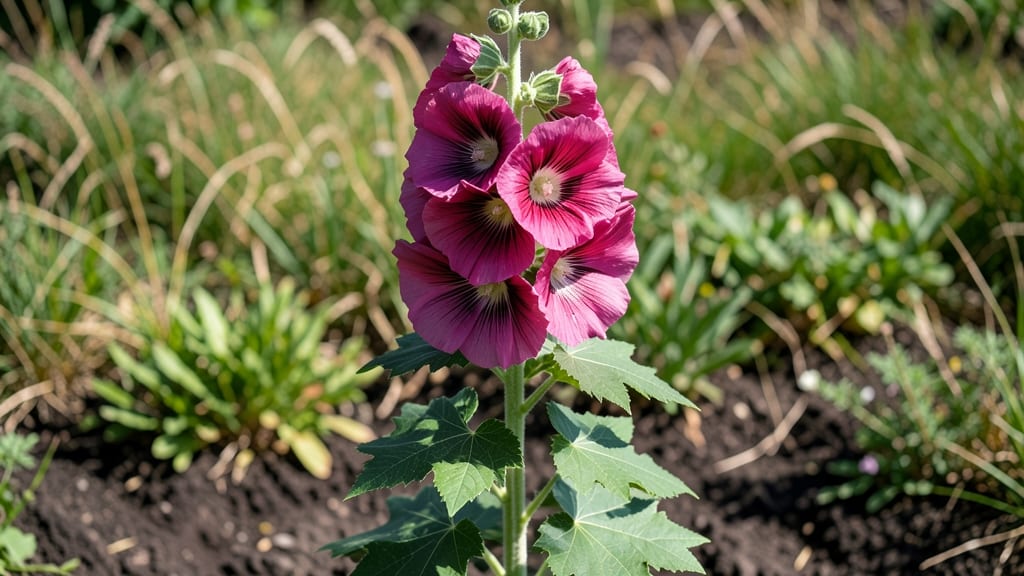
The hollyhock bloom time in early to mid-summer turns gardens into vertical bursts of color—but their short season can feel like a missed opportunity.
Picture this: you've waited months for those towering stems to appear, only to watch the flowers fade faster than you'd like. The good news? With the right timing and care, you can stretch their display from June well into September.
The key to predicting and extending their bloom time lies in understanding your variety, local climate, and a few simple garden tricks. Perennial hollyhocks, like the classic 'Black Prince', often bloom later than annuals, while shorter varieties may start earlier.
In this guide, I'll break down exactly when to expect those iconic blooms, what factors shift the timeline, and five natural methods to keep your hollyhocks flowering for months—no chemicals required.
Hollyhock bloom time by variety: when to expect flowers & key factors
Hollyhocks are classic cottage garden stars, but their bloom timing can vary dramatically based on whether you're growing annual or perennial varieties. Most gardeners see their first blooms in late spring or early summer, but the exact timing depends on several key factors I'll break down below.
Understanding these differences helps you plan your garden layout and companion plants for maximum impact.
The biggest difference between annual and perennial hollyhocks lies in their growth cycles and climate adaptation. Annual varieties typically bloom earlier—sometimes as early as June—while perennials may wait until July or August for their first flush of flowers.
This timing shift creates opportunities for sequential blooming in your garden when you mix varieties strategically.
🌸
| Variety Type | Bloom Period | Peak Months | Sunlight Needs | Regional Notes |
|---|---|---|---|---|
| Annual Hollyhocks | June - September | July-August | 6+ hours daily | Fastest bloomers; ideal for short seasons |
| Perennial Hollyhocks | July - October | August-September | 6+ hours daily | Longer season; better for cooler climates |
| Early Varieties (e.g., 'Black Prince') | June - August | June-July | 6+ hours daily | Best for northern US gardens (Zones 3-5) |
| Late Varieties (e.g., 'Chater's Double') | August - October | September | 6+ hours daily | Thrives in southern US (Zones 7-10) |
| Dwarf Varieties (e.g., 'Lady of the Lake') | July - September | August | 5-6 hours daily | Container-friendly; shorter stature |
Your local climate plays a crucial role in determining when hollyhocks will bloom. In cooler northern regions like the Pacific Northwest or New England, hollyhocks often start flowering in late June and continue through September.
Meanwhile, in warmer southern climates such as Texas or Florida, the bloom period may begin as early as May and stretch into November.
For gardeners in USDA Zones 3-5, early varieties like 'Black Prince' are ideal—they begin blooming when soil temperatures reach 55°F (13°C). In contrast, gardeners in Zones 7-10 can plant late varieties like 'Chater's Double' for extended color well into fall.
Always check your last frost date when selecting varieties, as hollyhocks need consistent warmth to trigger blooming.
Sunlight exposure directly impacts bloom timing, with full sun (6+ hours daily) producing the earliest and most abundant flowers. Hollyhocks grown in partial shade (3-5 hours of sun) may delay blooming by 2-4 weeks while producing smaller flowers.
I've found that positioning hollyhocks near south-facing fences or trellises maximizes sunlight exposure and encourages earlier blooming.
Another key factor is your planting season. Hollyhocks sown in early spring (after last frost) typically bloom 60-90 days later, while those planted in late summer may not flower until the following year.
For annual varieties, I recommend direct sowing in March or April for summer blooms, while perennials benefit from fall planting to establish strong roots before winter.
🌿
If you're growing hollyhocks in containers, expect blooms to arrive slightly later—
5 Natural ways to extend hollyhock bloom season without chemicals
Hollyhocks are stunning garden stars, but their blooms often fade faster than we'd like. The good news? You can extend their bloom season naturally with simple, chemical-free techniques. From deadheading to companion planting, these methods keep your hollyhocks flowering for weeks longer without synthetic fertilizers or pesticides.
Most hollyhocks bloom from mid-summer to early fall, but with the right care, you can push that window by 4-6 weeks. The key lies in understanding their growth habits and providing consistent support. Let’s explore five proven strategies to keep your hollyhocks in full glory all season long.
- 1 Deadhead regularly to remove spent blooms and redirect energy to new flowers. Use clean, sharp pruners to avoid damaging stems.
- 2 Enrich soil with compost or aged manure in early spring to boost nutrient uptake. Hollyhocks thrive in well-draining, slightly alkaline soil (pH 6.5-7.5).
- 3 Water deeply at the base in the morning to prevent fungal issues. Aim for 1-2 inches of water per week, adjusting for heatwaves.
- 4 Prune lightly in early spring to remove dead growth and encourage bushier growth. Avoid cutting into woody stems—focus on soft new shoots.
- 5 Plant companions like marigolds (repel pests) or lavender (attracts pollinators). Avoid planting near tomatoes, which compete for nutrients.
Start with deadheading—this simple act removes faded blooms and signals the plant to produce more flowers. I like to do this every 2-3 days during peak bloom to keep my hollyhocks looking fresh. Use clean pruners and cut just above a leaf node to encourage new growth.
Next, focus on soil health. Hollyhocks are heavy feeders, so amend the soil with compost before planting. A balanced organic fertilizer (like 5-10-10) applied in early summer gives them the nutrients they need to keep blooming. I mix compost into the top 6 inches of soil for best results.
Watering is another critical factor. Hollyhocks need consistent moisture, especially during their blooming phase. Water deeply at the base in the morning to reduce evaporation and fungal risks. Mulch around the plants with straw or wood chips to retain moisture and suppress weeds.
For pruning, timing matters. Lightly trim back dead or leggy stems in early spring, but avoid heavy pruning after mid-summer. This keeps the plant’s energy focused on flower production rather than regrowth. I also remove any yellowing leaves to prevent disease.
Finally, companion planting can work wonders. Pair hollyhocks with marigolds to deter pests like aphids or lavender to attract beneficial pollinators. Avoid planting them near tomatoes or potatoes, as they share diseases. My hollyhocks thrive next to roses—the roses get pest protection, and the hollyhocks get extra height!