
Blooming
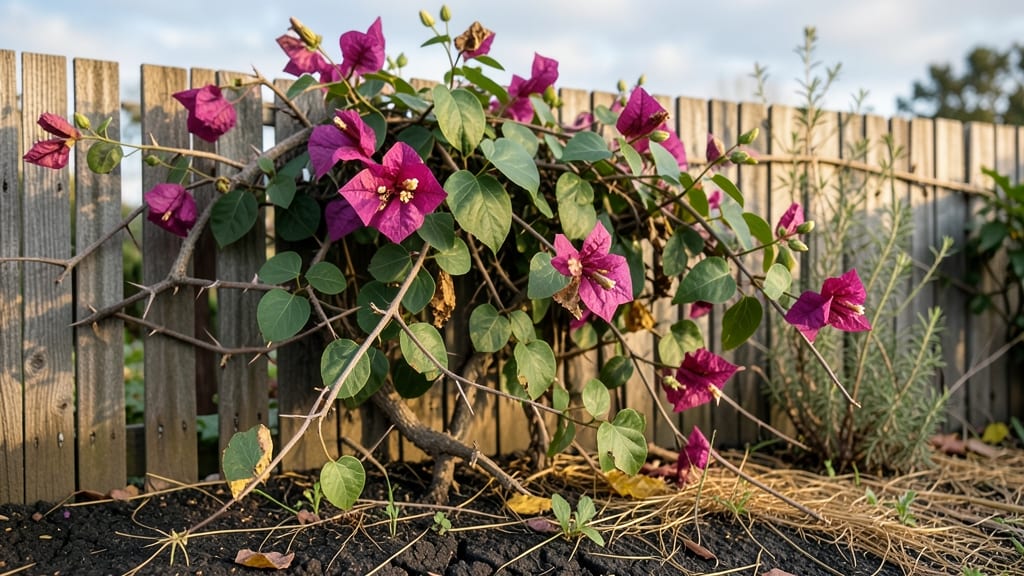
Bougainvillea blooms typically last 4-6 weeks per flush, with vibrant flowers appearing in cycles throughout warm seasons. In tropical climates, they may bloom year-round, while temperate zones see seasonal blooms from spring to fall with proper pruning and care.
The lifespan of each bougainvillea flower cluster hinges on environmental cues—think of them as nature's timed performance. 🌸 In my experience, these bursts of color peak when temperatures stay consistently above 60°F and daylight stretches beyond 12 hours, which is why tropical regions enjoy near-constant displays.
The key to prolonging these shows lies in mimicking seasonal stress: light pruning before warm snaps or controlled drought periods can trigger fresh blooms within 6-8 weeks, turning your plant into a year-round star.
What many gardeners overlook is how bougainvillea's vibrant bracts (the colorful parts we call "flowers") actually drop after pollination, leaving behind tiny white blooms.
This natural cycle explains why even well-cared-for plants need periodic "reset" through strategic trimming—cutting back one-third of stems in early spring jumpstarts new growth and extends the visual spectacle.
💡 In This Article
- Bougainvillea Flowering Triggers and Seasonal Patterns
- Extending Bougainvillea Blooms with Pruning and Care
Bougainvillea flowering triggers and seasonal patterns
Bougainvillea responds to environmental triggers like a precision clock, with daylight hours and temperature acting as its primary conductors. The plant enters a flowering phase when days exceed 12 hours of sunlight, a threshold that typically occurs in late spring or early summer.
Here's the science: bougainvillea's growth hormones surge when exposed to longer daylight, signaling the plant to produce vibrant bracts (the colorful paper-like structures) that we mistake for flowers.
In tropical zones, this happens year-round since daylight remains consistently long, while temperate regions experience spring-to-fall blooming cycles when daylight naturally extends beyond this threshold.
The 60-90°F temperature range is bougainvillea's sweet spot for blooming, with optimal flowering occurring between 75-85°F. Cold snaps below 50°F trigger dormancy, halting flower production until warmer weather returns.
What's fascinating is how bougainvillea uses stress-induced flowering: mild drought or pruning creates a hormonal shock that actually stimulates more abundant blooms.
This is why gardeners often see flushes after a dry spell or strategic trimming—it's the plant's survival mechanism repurposed for our visual enjoyment. 🌿 The bracts themselves contain anthocyanins, pigments that respond to light and temperature changes, shifting from pink to purple hues as conditions vary.
Tropical bougainvillea varieties like 'San Diego Red' can produce continuous blooms because they experience minimal seasonal variation, while temperate species like 'Thornless' may only bloom for 3-4 months annually.
The key difference lies in how these climates interact with bougainvillea's natural growth patterns: tropical plants receive consistent warmth and light, while temperate plants must "wait" for seasonal triggers. This explains why Florida gardens burst with color year-round while Midwest plants need careful winter protection to rebloom in spring.
The 4-6 week bloom cycle occurs because each flower cluster follows a biological timeline from bud formation to bract senescence (natural fading).
Here's what happens under the surface: each bract cluster contains tiny white flowers that only bloom for 24-48 hours before withering, but the colorful bracts remain visible for 3-4 weeks before gradually fading.
What we perceive as a single bloom is actually a coordinated display of sequential flowering and bract retention. The plant's ability to produce new bracts depends on healthy stem growth—this is why pruning in early spring (when new growth begins) is crucial for stimulating fresh blooms within 6-8 weeks.
Without this intervention, stems become woody and less productive.
Interestingly, bougainvillea's blooming patterns mirror those of other stress-tolerant plants like jasmine or poinsettias, which also respond to light and temperature cues.
The plant's native Brazilian habitat explains its adaptability: wild bougainvillea grows in semi-arid regions where water is scarce, teaching it to conserve resources while maximizing visual impact during favorable conditions.
This evolutionary trait is why bougainvillea thrives in containers or drought-prone gardens—it's biologically programmed to make the most of limited resources. 🌺 Understanding these patterns lets you time pruning and watering to create predictable bloom cycles, turning your bougainvillea into a reliable seasonal performer.
For those in cooler climates, the secret to extending blooms lies in creating microclimates: using black plastic mulch around the base can raise soil temperatures by 5-10°F, while winterizing with burlap wraps protects stems from freezing.
In containers, moving plants to sheltered locations during cold snaps can preserve blooming potential. The plant's remarkable resilience means that with the right care, even temperate-zone bougainvillea can produce two full bloom cycles per season when given proper winter protection and spring pruning.