
Blooming
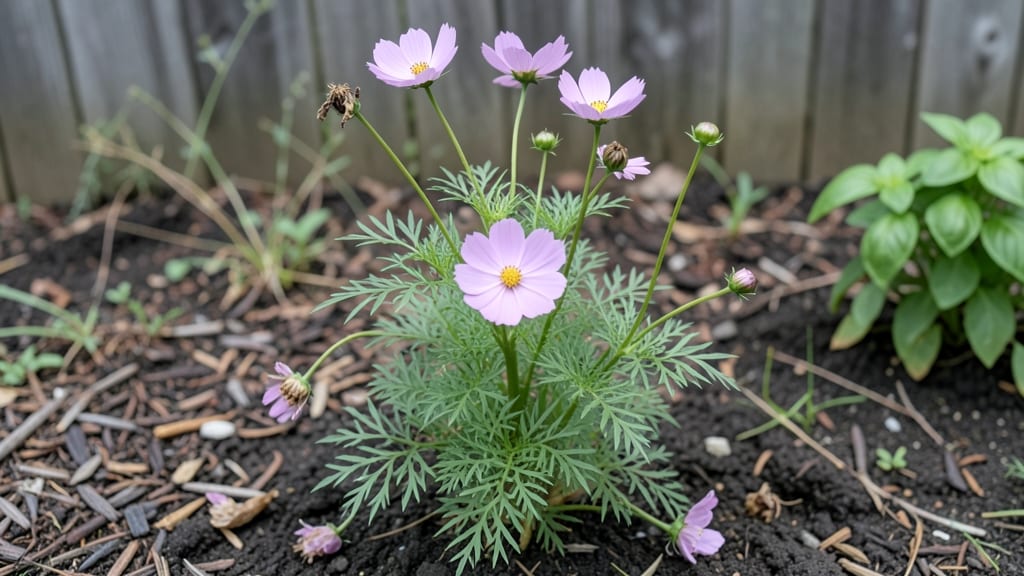
Cosmos flowers bloom for 6 to 8 weeks per season, typically starting in early summer and continuing through late summer or early fall, depending on climate and variety. Deadheading spent blooms encourages prolonged flowering.
These vibrant blooms thrive best in warm weather, with their fullest display occurring when daytime temperatures stay between 70°F and 80°F. 🌸 I’ve noticed that cosmos planted in full sun with well-draining soil tend to flower longer than those in partial shade or heavy clay.
The key to their longevity lies in consistent moisture—drought stress can shorten their bloom period dramatically, while regular watering keeps them vibrant for weeks.
For gardeners in cooler regions, choosing perennial cosmos varieties over annuals can extend their presence, as they may reseed naturally or return the following year with proper care. Even annuals, however, reward patience—some late-season varieties can surprise you with sporadic blooms well into October if deadheaded regularly.
💡 In This Article
- Cosmos Flowering Cycle: Stages and Duration
- Tips to Extend Cosmos Blooms All Season
Cosmos flowering cycle: stages and duration
The cosmos flowering cycle begins with bud formation in early spring, typically 4-6 weeks after planting seeds. These buds emerge from the plant's central stem and side shoots, protected by papery bracts that unfurl as they mature.
The transition from bud to bloom occurs when daytime temperatures consistently reach 65°F or higher, signaling the plant to invest energy in flower development rather than foliage growth. 🌱
At this stage, the plant's photoperiod sensitivity kicks in—cosmos respond to increasing daylight hours (14+ hours) by accelerating bloom production. Each flower blooms for just 1-2 days before its petals begin to wilt, but the plant continuously produces new buds from its basal rosette, creating the illusion of nonstop blooming.
The peak flowering period occurs when nighttime temperatures stay above 55°F, as cooler evenings can slow metabolic processes and reduce flower output.
Annual cosmos complete their cycle in 90-120 days from seed to seed development, while perennial varieties may take 2-3 years to reach full maturity and establish robust root systems.
The key difference lies in their growth habits: annuals focus all energy on rapid flowering and seed production, while perennials allocate resources to both blooms and underground storage organs. This explains why perennial cosmos often produce 20-30% more flowers per season once established.
Moisture plays a critical role during the flowering stage—cosmos require 1-1.5 inches of water weekly to maintain optimal bloom duration. When soil moisture drops below 30% capacity, the plant triggers drought stress responses, diverting energy to root growth at the expense of flower production.
This is why consistent watering (especially during bud formation) can extend the bloom period by 2-4 weeks compared to drought-stressed plants.
The final stage involves seed development, where the plant's energy shifts from blooms to seed production. Each cosmos flower contains 100-200 tiny seeds that mature within 2-3 weeks after pollination. These seeds disperse via wind, often self-sowing for next year's display.
The trade-off is that seed development accelerates the plant's decline—once 30% of flowers have set seed, the overall bloom production declines noticeably.
What most gardeners don't realize is that cosmos flowers actually close at night and reopen the following morning—a circadian rhythm that conserves moisture and energy.
This daily cycle explains why cosmos appear most vibrant during midday hours when temperatures peak. 🌞 Understanding these biological rhythms helps explain why morning deadheading (before 10 AM) yields the best results for extending bloom duration.