
Blooming
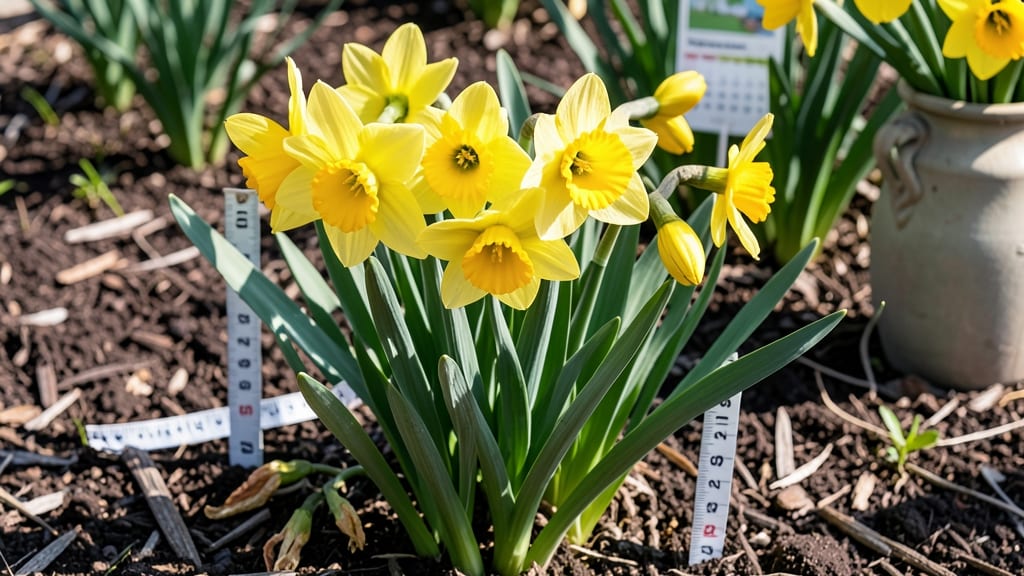
Daffodils typically bloom for 1 to 3 weeks, with early varieties like 'Tête-à-Tête' lasting 1-2 weeks and late bloomers such as 'Ice Follies' extending their display to 3 weeks when given optimal growing conditions.
Daffodils' bloom duration varies because their flowering cycle depends on both genetics and environmental factors.
Early spring varieties often show off their vibrant colors for shorter periods, while late-season types benefit from milder temperatures that slow petal wilting. 🌼 I've noticed that well-drained soil and consistent moisture can add an extra week to bloom time, especially in cooler climates where heat stress is less common.
The key difference between 1-week and 3-week bloomers comes down to how quickly the flower buds open and whether the plant has energy reserves to sustain prolonged blooming.
What many gardeners don't realize is that deadheading spent blooms (removing faded flowers) can sometimes trick the plant into producing a second, smaller flush of blooms later in the season. This works particularly well with perennial varieties that store energy in their bulbs.
For container-grown daffodils, I recommend using pots with good drainage and fertilizing with a low-nitrogen formula before planting to give them the best start for extended flowering.
💡 In This Article
- Daffodil Bloom Duration by Variety and Seasonal Factors
- Pro Tips to Extend Daffodil Bloom Time in Your Garden
Daffodil bloom duration by variety and seasonal factors
The bloom duration of daffodils is primarily determined by their classification within the Narcissus genus. Early bloomers like 'Tête-à-Tête' and 'Jonquil' typically open their buds within 7-10 days of emerging from dormancy, with flowers lasting 5-7 days per stem and overall bloom cycles of 1-2 weeks.
These varieties prioritize rapid flowering to take advantage of early spring conditions before warmer temperatures arrive. The trade-off is that their shorter bloom periods make them ideal for forcing indoors but less reliable for extended garden displays.
Mid-season varieties such as 'Ice Follies' and 'Salome' bridge the gap with 2-3 week bloom cycles, thanks to their hybrid vigor. These plants develop thicker stems and more robust root systems that allow them to sustain flowering longer.
The key difference lies in their genetic programming: mid-season daffodils allocate more energy to flower production rather than bulb expansion. Temperature plays a critical role here—ideal daytime temperatures of 55-65°F during bloom maximize longevity, while heat above 75°F accelerates petal wilting by increasing respiration rates. 🌸
Late bloomers like 'Paperwhite' (Narcissus papyraceus) often extend their display to 3 weeks because they evolved in Mediterranean climates where cooler evenings preserve moisture in petals. Their waxy, cup-shaped blooms also have a thicker cuticle that reduces water loss.
What's fascinating is how these varieties maintain bloom duration through a process called "sequential opening"—new buds continue to unfurl while older flowers remain vibrant for longer periods, creating a staggered display that can last weeks.
Seasonal timing creates dramatic differences in bloom duration. Early spring daffodils planted in Zone 5-6 gardens may only bloom for 10-14 days due to rapid temperature fluctuations, while those in Zone 8-9 can extend to 3 weeks because milder conditions reduce stress.
The soil's role is equally important: well-draining, slightly acidic soil (pH 6.0-7.0) prevents root rot that would shorten bloom cycles, while heavy clay soils can trap moisture and accelerate bulb decay.
Even sunlight matters—partial shade in hot climates preserves petal moisture, while full sun in cooler regions boosts photosynthesis for longer flowering.
Here's what you should know about specific varieties:
- Early bloomers: 'Tête-à-Tête' (1-2 weeks), 'Jonquil' (10-14 days) – best for forcing
- Mid-season: 'Ice Follies' (2-3 weeks), 'Salome' (18-21 days) – garden staples
- Late bloomers: 'Paperwhite' (3+ weeks), 'Grand Soleil d'Or' (21+ days) – Mediterranean types
What most gardeners overlook is how variety hybrids often outperform pure species. For example, 'Carlton' (a hybrid) blooms 2 weeks longer than its parent 'Jonquil' because its genetics combine rapid bud opening with sustained petal vitality.
This hybrid vigor explains why modern cultivars dominate commercial flower beds—breeders have selected for both extended bloom duration and disease resistance. 🌿