
How To
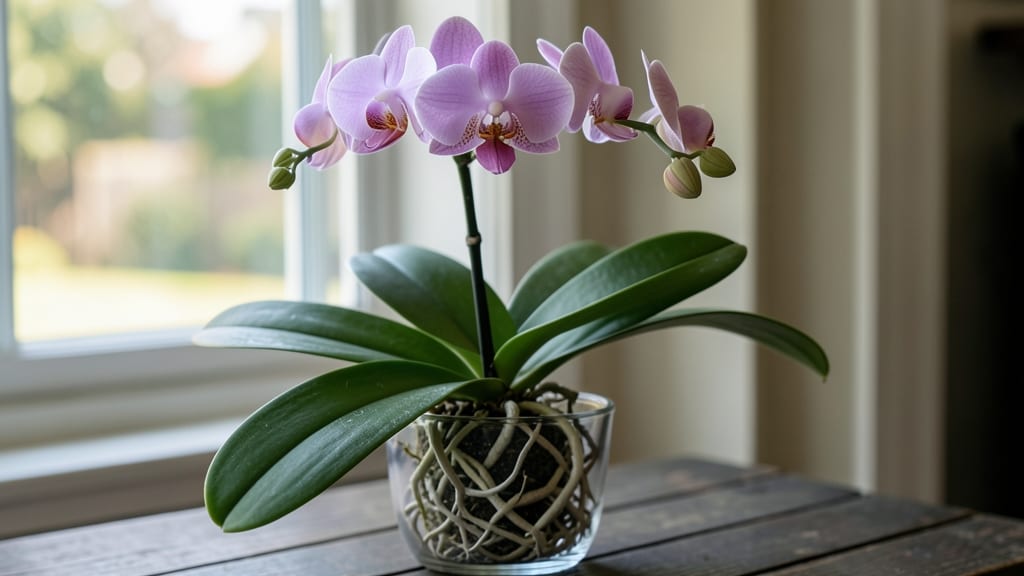
Orchids bloom for anywhere from 2 to 12 weeks, depending on the variety and care you provide—far longer than most people expect.
Picture this: you’ve just admired your 🌸 orchid’s stunning display, only to watch it fade in a matter of days. That’s because not all orchids follow the same timeline. Some, like the hardy Phalaenopsis, can grace your home for months, while others vanish in weeks.
The key? Understanding your orchid’s species and how to nurture it for maximum bloom life.
Whether you’re a seasoned grower or just starting out, knowing what influences bloom duration—light, water, and even temperature—can mean the difference between a short-lived show and a long-lasting floral masterpiece. Here’s how to extend those gorgeous blooms and keep your orchid thriving.
You’ll discover the secrets to prolonging orchid blooms, from adjusting care routines to recognizing when your plant needs a little extra love. Let’s dive into the factors that turn fleeting beauty into lasting enjoyment.
Orchid bloom duration by variety: from days to months
Orchids like the Phalaenopsis (moth orchid) often steal the show with their 2-3 month blooms, but not all orchids follow this rule. Some varieties, like Dendrobium, burst into 3-6 week displays, while others, such as Cattleya, can grace you with 4-8 week floral splendor.
Understanding these differences helps you set realistic expectations and tailor care to each type. The key? Variety-specific light, temperature, and humidity needs can dramatically impact how long those stunning blooms last.
Let’s break down the top 4 orchid varieties and their average bloom cycles, so you can choose the perfect one for your home or greenhouse.
Whether you’re a beginner or a seasoned grower, knowing these timelines will help you plan your orchid care routine and enjoy their beauty for as long as possible. From the short-lived Oncidium to the long-lasting Phalaenopsis, each type has its own charm and care quirks.
The Phalaenopsis orchid, often called the moth orchid, is the superstar of the indoor orchid world. Its 2-3 month blooms make it a favorite for beginners and experienced growers alike.
With the right care—like placing it near an east-facing window for bright, indirect light—you can coax it into reblooming every 10-12 months. The secret? A cool nighttime temperature (around 60°F) triggers new flower spikes.
If you love bold, fragrant blooms, Cattleya orchids are a must-try. Their 4-8 week display is shorter than Phalaenopsis, but the intense fragrance and showy flowers make up for it. These orchids thrive in USDA Zone 9-11 outdoors but can be grown indoors with a cool nighttime dip.
Without this temperature shift, their blooms may last only 2-3 weeks—half the expected time.
Dendrobium orchids are the drama queens of the orchid family, bursting into 3-6 week blooms in late winter or spring. The catch? They need a dormancy period in summer to rebloom. Skip this step, and you’ll likely see fewer or smaller flowers next season. For best results, reduce watering and fertilizing during their 6-8 week rest, then bring them back to active care in fall.
For something unique and fast-blooming, try Oncidium orchids, also known as Dancing Ladies. Their 2-4 week blooms might seem short-lived, but they produce clusters of tiny flowers that create a stunning visual effect.
These orchids love warmth and humidity, making them perfect for bathrooms with indirect light. With proper care, they can rebloom 2-3 times per year, giving you a near-constant display.
Beyond variety, light exposure is the biggest factor in bloom duration. Too little light, and your orchid’s flowers may fade in half the expected time. Too much direct sun, and you’ll see sunburned leaves and stunted blooms.
The Phalaenopsis, for example, thrives in 1000-3000 foot-candles of light, while Cattleyas need 2000-3000 foot-candles. Use a light meter or observe your orchid’s leaves—if they’re dark green, it’s getting enough light; if they’re yellow or pale, it needs more.
Humidity also plays a critical role. Orchids naturally grow in tropical or subtropical environments, where humidity hovers between 50-70%. In dry indoor air, blooms may wilt faster and drop prematurely. A simple pebble tray or humidifier can work wonders.
For Cattleyas, which love high humidity, misting the leaves and flowers in the morning can extend their bloom by 1-2 weeks. Just avoid wetting the flower spikes directly, as this can cause browning or rot.
Temperature swings are another hidden bloom booster. Many orchids, like Phalaenopsis and Catt
How to extend orchid blooms: pro tips for longer flowering
Orchids captivate us with their stunning blooms, but their lifespan can feel disappointingly short. The good news? With the right care, you can extend orchid blooms by weeks or even months.
I’ve learned through trial and error that small adjustments in light, humidity, and nutrition make a world of difference. Let’s dive into the proven strategies that keep my orchids flowering longer than ever.
First, light exposure is the foundation of bloom longevity. Too little light weakens stems, while too much causes flowers to wilt faster. I place my Phalaenopsis orchids near east-facing windows where they get 6-8 hours of bright indirect light.
This balance prevents stress while supporting photosynthesis—the energy that fuels those gorgeous blooms.
🌸 5 Pro Tips to Extend Orchid Blooms
- 1. Optimize Light: Bright indirect light (6-8 hours) prevents premature wilting. Avoid direct sun, which burns petals.
- 2. Maintain Humidity: Keep humidity at 50-70% using a humidifier or pebble tray. Dry air causes buds to drop.
- 3. Fertilize Strategically: Use a balanced orchid fertilizer (20-20-20) every 2-4 weeks during blooming season.
- 4. Repot at the Right Time: Refresh the orchid mix every 1-2 years to prevent root-bound stress.
- 5. Post-Bloom Care: Trim spent blooms but leave the flower spike—it may rebloom with proper care.
Humidity control is another game-changer. My Cattleya orchids thrive in 60-70% humidity, which I maintain with a simple pebble tray filled with water and gravel. The evaporation creates a microclimate that keeps buds hydrated and prevents them from drying out too quickly.
In winter, when indoor air gets dry, I even use a small humidifier near my orchid collection.
Fertilizer schedules often get overlooked, but they’re critical for sustained blooming. I switch to a low-nitrogen, high-phosphorus fertilizer (like 10-30-20) once buds form. This shift encourages flowering instead of leaf growth.
I apply it every 2 weeks during the blooming season, always diluting it to half-strength to avoid root burn. Over-fertilizing is a common mistake that actually shortens bloom time.
Repotting is another overlooked factor. Orchids need fresh bark-based mix every 1-2 years to prevent root rot and nutrient depletion. I repot my orchids in spring, just as new growth begins.
This gives roots plenty of time to establish before the next blooming cycle. Always use a pot with drainage holes and avoid compacted mixes that trap moisture.
After the main blooms fade, don’t toss that flower spike! With Phalaenopsis orchids, I cut the spike above a dormant node—a small bump on the stem—and place it in a cool, shaded spot.
This often triggers a second round of blooms in 2-3 months. For other varieties like Dendrobiums, I remove the entire spike after it yellows, as they won’t rebloom from the same stem.
By mastering these five strategies—light, humidity, fertilization, repotting, and post-bloom care—I’ve extended my orchid blooms from 2-4 weeks to 8-12 weeks or more. The key is consistency and paying attention to your orchid’s specific needs.
With a little patience, your orchids will reward you with longer, more frequent blooms that keep your space vibrant all year.