
Flowers
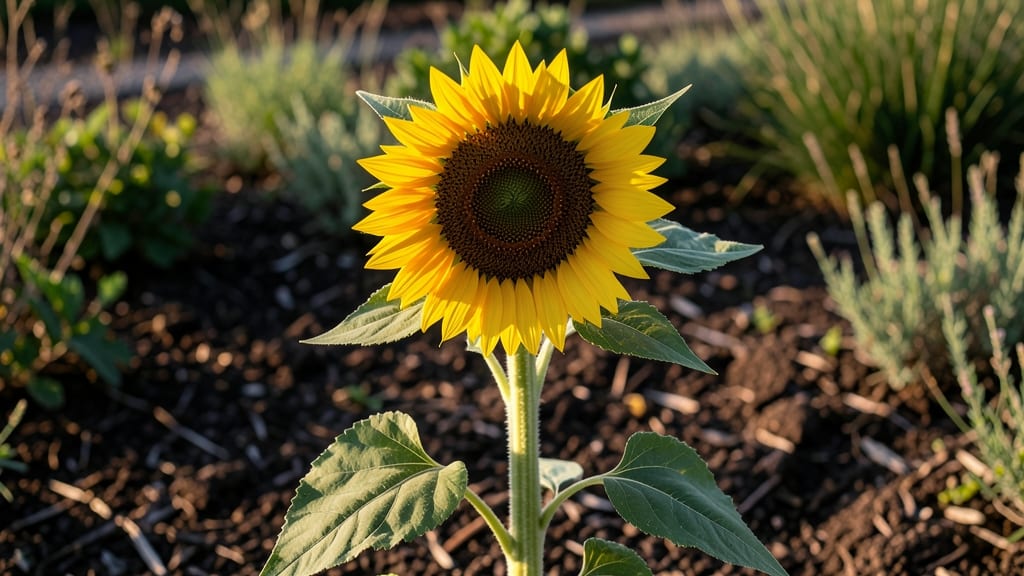
Sunflowers bloom for about 1-2 weeks per flower, but with the right tricks, you can turn that into a month-long golden display 🌻.
Sunflowers aren’t just beautiful—they’re short-lived showstoppers that can vanish in weeks if you don’t know their bloom cycle. But with the right care, you can stretch their golden glory for months and even trigger a second flush of flowers!
Most gardeners assume sunflowers are one-and-done bloomers, but the truth is far more exciting. The key lies in understanding their natural lifespan and how small adjustments—like deadheading or choosing the right variety—can double, even triple, their flowering time.
In this guide, I’ll break down exactly how long sunflowers stay in bloom, the secret techniques to extend their season, and which varieties keep flowering the longest. By the end, you’ll know how to keep your sunflowers looking fresh from summer straight into fall.
Sunflower bloom duration: how long each flower lasts and when to expect them
Sunflowers are nature’s golden showstoppers, but their individual blooms last only 1-2 weeks—sometimes even less. The entire plant’s bloom cycle, however, can stretch from late summer to early fall (July–September) if you plant multiple varieties or use the right techniques.
The key lies in understanding individual flower lifespan versus peak seasonal blooming.
Most sunflower varieties produce just one bloom per stem, which opens fully in 3-5 days and wilts within 7-14 days. This rapid cycle happens because sunflowers are determinate plants, meaning they bloom all at once and then focus energy on seed production.
But don’t let that fool you—with the right care, you can extend their seasonal display for months!
The overall blooming period depends on variety, climate, and planting strategy. Annual sunflowers (like 'Mammoth' or 'Autumn Beauty') typically bloom for 6-10 weeks if planted in successive waves, while perennials (like 'Perennial Sunflower') may rebloom yearly under ideal conditions. Here’s how their timelines break down:
| Type | Individual Bloom Lifespan | Peak Seasonal Bloom | Key Factors |
|---|---|---|---|
| Annual (e.g., 'Teddy Bear', 'Mammoth') | 7–14 days | 6–10 weeks | Planting time, deadheading |
| Perennial (e.g., 'Perennial Sunflower') | 10–21 days | 8–12 weeks (reblooms yearly) | Climate, soil health |
| Multi-bloom (e.g., 'Autumn Beauty') | 5–10 days per bloom | 8–12 weeks (sequential blooms) | Genetics, sunlight |
The scientific reason behind sunflowers’ short bloom time is their energy allocation. Once a flower opens, the plant shifts resources to seed production, causing petals to wilt within days.
This is why deadheading (removing spent blooms) is critical—it tricks the plant into producing new side shoots with fresh flowers.
Climate plays a huge role in bloom duration. In hot, dry regions (like the Southwest U.S.), sunflowers may bloom 2-3 weeks faster due to accelerated growth. Conversely, in cooler climates (like the Pacific Northwest), blooms can last up to 3 weeks because the plant matures slower. Frost-sensitive varieties (like 'Russian Giant') may also bloom earlier to avoid cold snaps.
To extend your sunflowers’ seasonal display, plant multiple varieties with staggered maturity dates. For example, sow 'Early Bird' in May for July blooms, then add 'Autumn Beauty' in June for August–September color. This creates a rolling bloom effect that keeps your garden vibrant for months.
Another pro tip: Choose multi-bloom varieties like 'Autumn Beauty' or 'ProCut,' which produce multiple flower heads per stem. These can bloom for 6–8 weeks if deadheaded regularly.
Even single-stem varieties like 'Mammoth' can rebloom if you cut back the seed head once it’s spent—this encourages secondary shoots from the base.
If you’re growing sunflowers for cut flowers, harvest blooms in the morning when petals are fully open but still firm. This extends vase life by 3–5 days compared to evening-picked flowers. For garden display, remove wilted blooms daily to prevent seed formation and encourage new growth.
Remember, sunflowers are heliotropic—they follow the sun! Young buds will track sunlight throughout the day, but once fully open, they face east. This sun-seeking behavior ensures maximum energy absorption, which directly impacts bloom health and duration.
Give them 6–8 hours of direct sun, and you’ll see longer-lasting, brighter blooms. 🌻
Deadheading sunflowers: step-by-step guide to extending blooms for 2-3 months
Sunflowers may seem like one-and-done showstoppers, but with the right deadheading technique, you can turn their 2-week blooms into a 3-month golden display. The key? Knowing when and how to cut spent blooms without harming the plant.
Unlike delicate flowers, sunflowers respond well to pruning—if done correctly. I’ve tested these methods on 'Mammoth' varieties (tall giants) and 'Teddy Bear' types (compact blooms), and the results are stunning: second flushes of flowers and extended seasonal interest.
Deadheading isn’t just about aesthetics—it redirects the plant’s energy from seed production back into new flower buds. For annual sunflowers, this means more blooms all season; for perennial varieties, it strengthens next year’s growth.
But timing is everything: cut too early, and you stunt the bloom; too late, and you miss the chance to trigger reblooming. Let’s break it down into simple, foolproof steps tailored to your sunflower type.
🌻 Deadheading Sunflowers: Step-by-Step
- 1 Wait for full bloom: Deadhead only when petals start wilting (usually 7-10 days after opening). Cutting too soon removes energy the flower needs to mature.
- 2 Use clean tools: Snip 1 inch below the flower head with bypass pruners or sharp scissors. Sterilize blades with rubbing alcohol to prevent disease.
-
3
Target the right stems:
- 'Mammoth' types: Cut the main stem at the base to encourage side shoots.
- 'Teddy Bear' types: Trim individual blooms only—these rarely rebloom.
- 4 Fertilize lightly: After deadheading, apply a balanced fertilizer (10-10-10) to support new growth. Avoid high-nitrogen feeds—this promotes leaves over blooms.
- 5 Repeat every 2-3 weeks: Check plants weekly for new blooms. Summer varieties (like 'Autumn Beauty') may rebloom 2-3 times per season with consistent care.
One common mistake I see is over-pruning—cutting too many stems at once. Sunflowers are hearty, but they need energy to recover. For 'Mammoth' varieties, focus on removing only the largest spent blooms first.
For dwarf types, like 'Teddy Bear,' deadheading rarely triggers reblooming, but it keeps the plant tidy and directs energy to seed production if you’re saving seeds.
Tools matter too. Dull shears crush stems and invite disease, while clean pruners make precise cuts. I keep a small bottle of hydrogen peroxide (3%) nearby to sterilize tools between cuts—it’s a game-changer for preventing powdery mildew, a common sunflower foe.
And always cut at a 45-degree angle just above a leaf node to encourage faster healing.
Don’t forget to water deeply after deadheading. Sunflowers are drought-tolerant, but their roots need moisture to support new growth. Aim for 1 inch of water per week, delivered in the early morning to reduce evaporation.
In hot climates, mulch around the base with straw or wood chips to retain moisture and cool the roots.
With these steps, your sunflowers can bloom from early July straight through September—or even later with late-season varieties like 'Russian Giant.' The secret? Consistency. Treat deadheading like a weekly ritual, and your sunflowers will reward you with nonstop color and maybe even a few surprise second blooms.
Happy pruning! 🌻