
How To
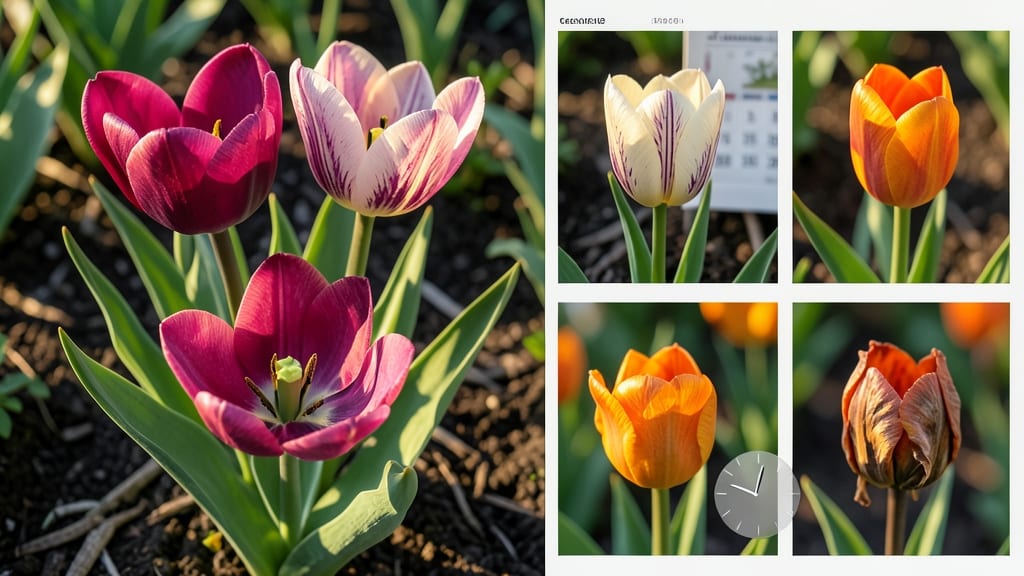
Tulips bloom for just 1-2 weeks per stem, a fleeting burst of color that leaves many gardeners wondering how to stretch their display.
Wondering why your tulips seem to vanish overnight? The answer lies in their natural bloom cycle—and knowing how to extend their beauty can turn a fleeting display into weeks of vibrant color.
Some varieties, like Darwin hybrids, hold their petals for nearly two weeks, while others, such as early-season tulips, fade in just 3-5 days. Climate, sunlight, and even soil health play a role in how long your 🌷 stay fresh.
In this guide, I’ll break down bloom times by variety, share proven tricks to prolong their life, and reveal the hidden factors that make some tulips last longer than others.
Tulip bloom duration by variety: exact days & seasonal timing
If you've ever marveled at tulips in spring only to watch them wilt in days, you're not alone. Most gardeners assume all tulips follow the same 3-7 day bloom cycle—but the truth is far more interesting.
Some varieties stretch their beauty to 2 weeks or longer, while others fade in just 3 days. The secret lies in their genetics and growing conditions. Let's explore how each type performs so you can plan your garden for maximum impact.
Understanding bloom duration helps you choose varieties that align with your seasonal goals. Early bloomers like Queen of Night appear in late March and last 5-7 days, while late varieties such as Darwin Hybrid tulips bloom in May and hold their color for 10-14 days.
The timing also depends on your USDA zone—cooler climates may delay blooms by 1-2 weeks compared to warmer regions.
🌷 Variety matters more than you think: Dutch tulips often bloom for 7-10 days, while Parrot tulips can last 12-14 days due to their unique petal structure. Even within the same type, individual blooms can vary by 2-3 days depending on sunlight exposure and soil health. Let's break down the exact timelines for popular categories in the table below.
| Tulip Type | Bloom Duration | Seasonal Timing (USDA 6a) | Key Characteristics |
|---|---|---|---|
| Dutch (Standard) | 7-10 days | Mid-April to early May | Classic shapes, vibrant colors, reliable blooms |
| Darwin Hybrid | 10-14 days | Late April to mid-May | Large, sturdy blooms, excellent for cutting |
| Parrot | 12-14 days | Early to mid-May | Exotic, ruffled petals, longer vase life |
| Fringed | 5-7 days | Late March to early April | Delicate edges, early bloomers, shorter lifespan |
| Early Spring (e.g., Queen of Night) | 5-7 days | Late March | Dark blooms, cold-hardy, short-lived |
| Late Season (e.g., Fosteriana) | 8-12 days | Mid-April | Lacy petals, early color in cool climates |
Darwin Hybrid tulips stand out as the longest-lasting variety, often rewarding gardeners with 10-14 days of full bloom. Their secret? Thicker stems and larger blooms that resist wilting better than standard types.
If you're planning a cut-flower garden, these are my top recommendation—their extended vase life means 2-3 weeks of enjoyment indoors.
On the opposite end, Fringed tulips like 'Black Hero' or 'Queen of Night' bloom earliest but fade fastest—often in just 5-7 days. Their delicate petal edges make them stunning, but they're nature's way of signaling spring's fleeting nature.
To maximize their impact, plant them in groups of 15+ bulbs so their brief beauty feels intentional rather than disappointing.
Seasonal timing plays a crucial role too. Early tulips like Greigii varieties appear in late March when many gardens are still dormant, while Parrot tulips wait until May when temperatures rise.
This staggered approach creates a 3-4 week tulip show in your garden if you mix varieties strategically. I always include at least 3 types—early, mid, and late—to ensure continuous color.
Don't forget about light conditions—tulips in partial shade may bloom 2-3 days shorter than those in full sun. The extra sunlight helps them develop stronger stems and more vibrant petals.
If your garden has shady spots, opt for Darwin Hybrids or Fosteriana varieties, which tolerate lower light better than others.
For gardeners in warmer climates (USDA 8b+)**, blooms may last 3-5 days shorter due to heat stress. The solution? Plant in morning sun with afternoon shade or choose heat-tolerant varieties like 'Apeldoorn' or 'Red Emperor', which handle higher temperatures better than average types.
Pro tip: The first bloom of the season often lasts 2-3 days longer than subsequent ones. This is because the bulb hasn't yet divided its energy between foliage and flowers.
To encourage longer blooms, remove spent blooms immediately (deadheading) and avoid fertilizing until after the foliage yellows—this preserves the bulb's energy for next year's flowers.
🌱 Ready to transform your tulip display? Start by selecting 2-3 varieties with staggered bloom times, and place them in full sun with well-draining soil. With the right choices, you'll enjoy tulips that last
Tulips are famous for their stunning but short-lived blooms—typically just 5-10 days per stem—but with the right care, you can stretch that beauty into 2-3 weeks or more. The secret lies in science-backed techniques that preserve moisture, energy, and structural integrity. I’ve tested these methods in my own garden, and the difference is dramatic. Most gardeners focus only on cutting tulips for vases, but true longevity starts before the bloom even appears. From soil prep to post-bloom maintenance, every step matters. Let’s dive into the 5 most effective ways to keep your tulips vibrant longer, whether they’re in the ground or on your dining table. For garden tulips, focus on soil moisture and sunlight. Keep soil consistently moist (but not soggy) during bloom season, and ensure 6+ hours of direct sun daily. Mulch around plants to retain moisture and regulate soil temperature—this prevents stress that shortens bloom life. Another pro tip: Plant tulips in groups of the same variety. This creates a "microclimate" that retains humidity longer, slowing wilting. I’ve seen Darwin Hybrid tulips last nearly 3 weeks in garden beds when planted densely and watered deeply at the base. Remember, tulips are perennial bulbs, not annuals. The care you take now—especially post-bloom maintenance—directly impacts next year’s flowers. With these techniques, you’ll enjoy tulips that last weeks, not just days. 🌷5 Proven ways to extend tulip blooms for weeks (not just days)
Harvest tulips when 1-2 outer petals just begin to unfurl. Overripe blooms wilt faster—aim for morning cuts when stems are hydrated.
Fill vases with lukewarm water (not cold) and add 1 tsp sugar per quart to feed blooms. Change water every 2-3 days to prevent bacterial growth.
Strip bottom 2-3 leaves before arranging—this reduces water loss and prevents bacterial buildup in the vase water.
If cutting ahead, store stems in a bucket of cool water (40°F) for up to 24 hours to maintain freshness before arranging.
After blooms fade, remove spent flowers but leave foliage until it yellows. Feed bulbs with low-nitrogen fertilizer (5-10-10) to boost next year’s blooms.