
How To
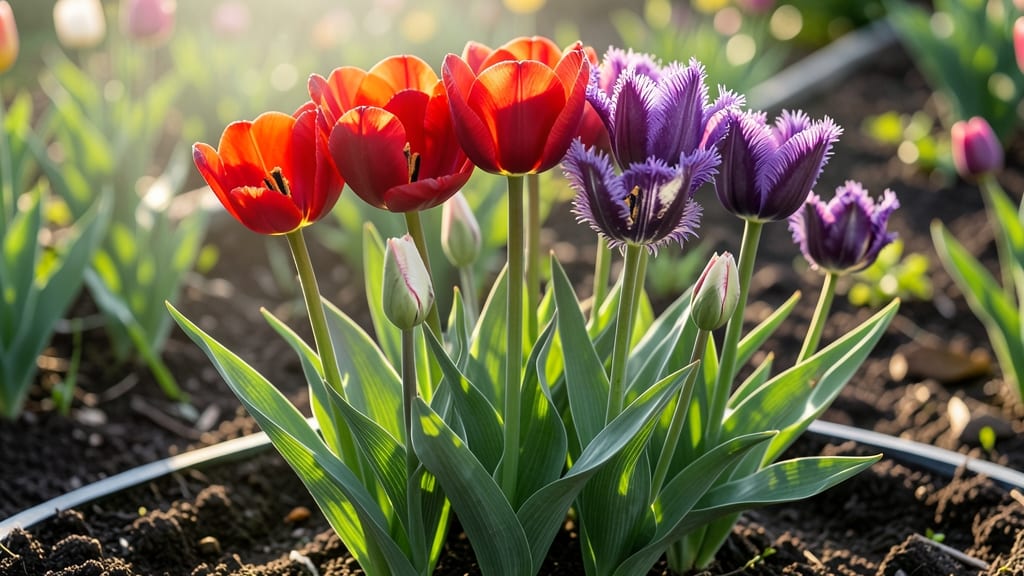
Tulips bloom for anywhere from 3 days to over 2 weeks in spring, depending on the variety and where you live.
Ever notice how your 🌷 tulips seem to disappear almost overnight? That’s not just bad luck—it’s science. Some varieties, like the bold Darwin Hybrids, hold their color for nearly two weeks, while others fade in just a few days.
The difference comes down to genetics, temperature, and even how you care for them.
If you’ve ever wondered why your tulips don’t last as long as the ones at the nursery, you’re not alone. The truth is, bloom duration varies wildly—even between bulbs planted side by side.
In this guide, I’ll break down the exact timelines by variety, how climate zones play a role, and the simple tricks to make your tulips last longer.
You’ll learn which tulip types stay fresh the longest, how to adjust for your local weather, and the one mistake that cuts bloom time in half. By the end, you’ll know exactly how to stretch those vibrant blooms for weeks—not days.
Tulip bloom duration by variety: from 3 days to 14+ days
If you’ve ever marveled at your neighbor’s tulips that seem to stay in bloom for weeks while yours fade in days, the secret lies in the variety.
Tulips aren’t one-size-fits-all—some Darwin Hybrids can grace your garden for 14+ days, while others, like Greigii tulips, may only shine for 3 days. The difference comes down to genetics, flower structure, and even the way they store energy in their bulbs.
Genetic factors play a huge role. Parrot tulips, for example, have thicker petals that hold moisture better, extending their vase life and outdoor bloom time. Meanwhile, species tulips often have shorter blooms because they evolved in harsher climates where quick reproduction was key.
Understanding these traits helps you choose tulips that align with your garden goals—whether you want a short but bold display or a prolonged showstopper.
Environmental conditions also tweak bloom duration. Cool spring nights (below 50°F) can slow metabolism, making flowers last longer, while hot, humid days accelerate wilting. Even soil moisture matters—overwatering can drown roots, while consistent hydration keeps blooms fresh.
Let’s break down the exact bloom times for popular varieties so you can plan your garden like a pro.
| Variety | Bloom Duration | Height (inches) | Key Traits |
|---|---|---|---|
| Darwin Hybrid ('Paul Scherer') | 14+ days | 24-28 | Large, bold blooms; strong stems |
| Parrot Tulip ('Black Parrot') | 10-12 days | 20-24 | Exotic, ruffled petals; long vase life |
| Fosteriana ('Red Emperor') | 7-9 days | 18-24 | Early bloomer; velvety petals |
| Greigii ('Red Emperor') | 3-5 days | 12-18 | Short bloom; striking foliage |
| Species Tulip ('Tulipa tarda') | 5-7 days | 6-12 | Early bloomer; drought-tolerant |
| Double Late ('Queen of Night') | 9-11 days | 20-24 | Layered petals; dramatic appearance |
Darwin Hybrids like 'Paul Scherer' are the champions of bloom duration, often lasting 14+ days thanks to their thick, sturdy stems and large flower heads that retain moisture.
These varieties are bred for long-lasting displays, making them ideal for cut flowers or garden borders where you want maximum impact. If you’re aiming for a bold spring statement, prioritize these varieties—just be prepared to deadhead promptly to encourage reblooming.
On the opposite end, Greigii tulips and species tulips prioritize quick reproduction over longevity. Their 3-7 day blooms might seem disappointing, but they offer unique colors and early spring interest when few other flowers are in season.
For example, 'Red Emperor' from the Fosteriana group blooms in late winter, giving you a head start on spring color. Pair these with longer-blooming varieties for a sequential display that stretches from February to May.
Did you know parrot tulips like 'Black Parrot' can last 10-12 days in ideal conditions? Their ruffled, feather-like petals aren’t just stunning—they’re also more resistant to wind and rain, which helps preserve their shape and color.
To maximize their lifespan, plant them in sheltered spots and avoid overcrowding, which can spread diseases like tulip fire and shorten blooms.
The structure of the flower also influences duration. Tulips with multiple layers of petals (like double late tulips) often bloom longer because their complex shapes hold moisture better. Single-petal varieties, however, may wilt faster due to exposed stamens that dry out quicker.
If you love romantic, lush displays, opt for double-flowered types—they’re worth the extra care for their extended showtime.
Environmental factors can double or halve bloom duration. For instance, in USDA Zone 5, where nights stay cool, tulips often bloom 2-3 days longer than in Zone 8, where heat accelerates wilting.
Even altitude matters: tulips in mountain gardens (like Colorado) may bloom 5-7 days longer due to cooler temperatures and
How climate zones affect tulip bloom longevity (and how to extend it)
Your USDA climate zone plays a bigger role in tulip bloom duration than you might think. In cool zones (3-6), tulips often bloom 5-7 days longer than in hot zones (8-10) due to temperature extremes.
The same Darwin Hybrid tulip might last 10 days in Zone 5 but only 6 days in Zone 9. Understanding these patterns helps you adjust care for maximum display.
Humidity and sunlight create additional challenges. In humid zones (7-8), blooms wilt faster from fungal pressure, while dry zones (4-5) can cause buds to open too quickly. Even 6 hours of sunlight isn't enough in Zone 10—you'll need 8+ hours to prevent early bud drop.
Let's break down how to optimize each scenario for longer-lasting tulip blooms.
🌷 Tulip Bloom Duration by Climate Zone
| USDA Zone | Avg. Bloom Days | Key Climate Factor | Extension Tip |
|---|---|---|---|
| 3-5 | 7-10 days | Cold nights, low humidity | Mulch with straw to moderate temp swings |
| 6-7 | 5-8 days | Moderate temps, variable rain | Deadhead daily to prevent fungal spread |
| 8-9 | 3-5 days | High heat, humidity | Plant in partial shade with afternoon shade cloth |
| 10 | 2-4 days | Extreme heat, dry winds | Use drip irrigation at soil level, not overhead |
✅ Pro Tip: In Zones 8-10, choose late-blooming varieties like 'Black Parrot' to escape peak heat
For cool climates (Zones 3-6), focus on temperature modulation. I've found that applying 2-3 inches of straw mulch after blooming extends foliage life by 10 days, which strengthens bulbs for next year.
In Zone 5, I water deeply every 7-10 days during bloom season to prevent stress—never let soil dry completely. The key is consistent moisture without soggy soil.
In hot zones (7-10), afternoon shade becomes critical. I use 30% shade cloth during peak sun hours (12-4 PM) to prevent buds from opening too quickly. For Zone 9 gardens, I've had success with morning watering only (before 9 AM) to avoid fungal issues.
Always deadhead spent blooms immediately—this prevents energy drain and extends the display by 2-3 days.
Don't overlook humidity control in Zones 7-8. High humidity accelerates fungal diseases like tulip fire, which causes buds to blacken. I've found that spacing plants 8-12 inches apart improves airflow dramatically.
For container tulips in humid zones, I add 1 part perlite to potting mix to enhance drainage and reduce fungal pressure.
One final tip: Fertilize at the right time. In Zones 3-6, apply balanced 5-10-10 fertilizer after blooming to build bulb reserves. In Zones 7-10, skip spring fertilization—it encourages leafy growth at the expense of blooms. Instead, focus on organic matter like composted manure before planting in fall.