
How To
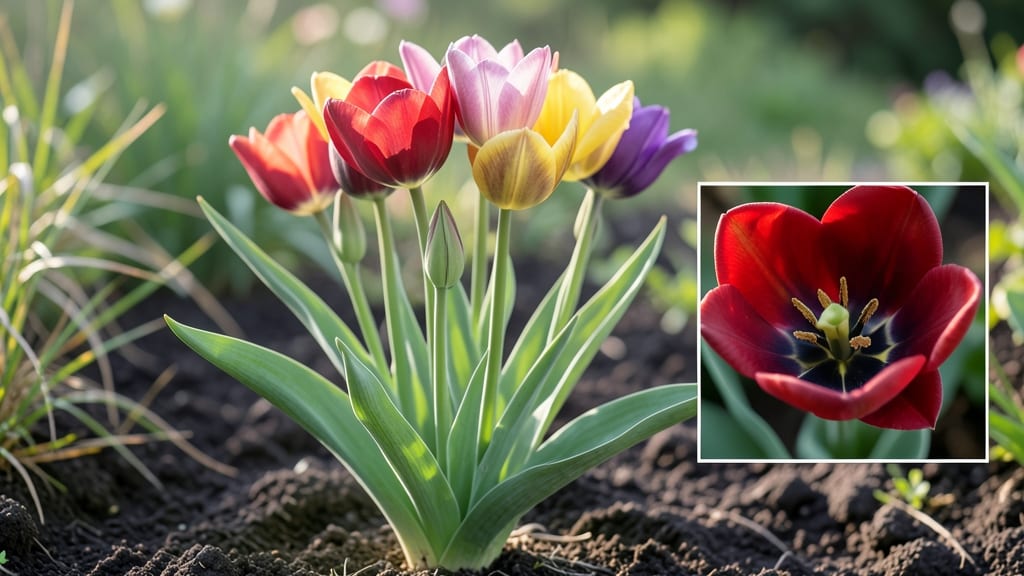
Tulips typically bloom for 3 to 7 days, though early varieties like Darwin Hybrids may last just 3–5 days, while late-blooming types like Parrot tulips can extend their vibrant display to 7–10 days with proper care. Consistent watering and deadheading spent blooms help preserve their freshness longer.
Understanding tulip bloom duration helps you plan garden displays or vase arrangements more effectively. 🌷 The variation in bloom time comes down to genetics—larger, multi-layered petals (like those in Double Early tulips) often show longer displays, while smaller blooms fade faster.
Environmental factors play a role too: cooler temperatures can extend bloom life by slowing metabolism, while direct afternoon sun may cause wilting. I’ve found that cutting stems early in the morning gives them the best chance at lasting their full potential indoors.
What’s interesting is how care habits directly impact longevity. For example, removing spent blooms (deadheading) redirects energy back to the bulb, sometimes adding an extra day or two to the show.
Meanwhile, overwatering can lead to bulb rot, cutting the season short. Proper drainage and well-amended soil with compost create the ideal foundation for longer-lasting blooms.
💡 In This Article
- Tulip Bloom Duration by Variety: Early vs Late-Blooming Types
- Pro Tips to Extend Tulip Bloom Time in Gardens
Tulip bloom duration by variety: early vs late-blooming types
The bloom duration of tulips is heavily influenced by their genetic makeup, particularly flower structure and petal complexity. For instance, Darwin Hybrid tulips—known for their large, cup-shaped blooms—typically last 4-6 days due to their thick petals that retain moisture better.
These varieties have fewer layers of petals compared to Double Early tulips, which can extend their display to 5-8 days because their layered, almost rose-like blooms slow water loss through evaporation. 🌷 The extra petal layers create a more protected internal environment, allowing the flower to maintain its freshness longer.
Temperature plays a crucial role in bloom longevity, with cooler climates naturally extending the display. Tulips grown in regions with average daytime temperatures between 60-70°F often bloom 1-2 days longer than those in hotter areas (above 80°F), where heat accelerates petal dehydration.
For example, Parrot tulips—with their vibrant, ruffled petals—typically last 6-9 days in cooler zones but may drop to 4-6 days in heatwaves. The same variety can vary by up to 3 days depending on whether it's planted in full sun or partial shade, with afternoon shade being particularly beneficial.
Flower size also correlates with bloom duration, as larger blooms generally have more stored energy. Fringed tulips, with their delicate, scalloped edges, tend to last 3-5 days because their thin petals dry out faster.
In contrast, Kaufmanniana tulips—smaller but hardier—often bloom for 5-7 days due to their compact structure, which reduces water loss. This genetic variation means gardeners in warmer climates should prioritize heat-tolerant varieties like Apeldoorn or Fosteriana tulips, which naturally have thicker petals and longer vase life.
Light exposure affects bloom timing differently based on variety. Early-blooming tulips like Greigii often open their petals wider in bright light, increasing surface area and speeding up evaporation.
This is why they typically last 3-4 days in full sun but can extend to 5 days with morning sun and afternoon shade.
Late-blooming varieties, however, handle heat better due to their thicker cuticles—Parrot tulips in particular can maintain their color vibrancy for 7-10 days when grown with afternoon shade and consistent moisture.
One fascinating detail is how tulip blooms age from the center outward. The inner petals wilt first because they receive less direct sunlight and moisture, which is why deadheading (removing only the spent top layer) can sometimes add an extra 24-48 hours to the display.
This technique works best with varieties like Darwin Hybrids, where the outer petals remain fresh longer. For gardeners, this means strategic placement—planting taller varieties in back rows and shorter ones in front—can create a cascading bloom effect that visually extends the season by 3-5 days across the garden.