
Blooming
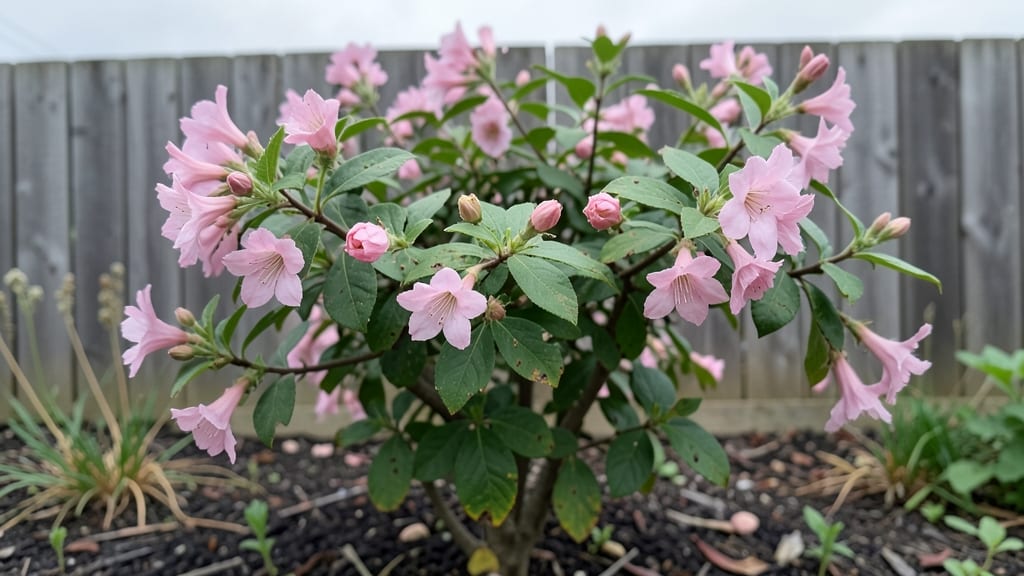
Weigela blooms typically last 3 to 6 weeks per season, with peak flowering occurring in late spring to early summer, though some varieties rebloom lightly in fall if deadheaded regularly. Cold-hardy types may extend blooms into early summer with proper care.
Timing plays a huge role in how long your weigela stays in bloom—late spring’s longer daylight hours and warming temperatures trigger the plant’s natural flowering cycle. 🌸 Once buds open, they typically last 3-6 weeks, but some reblooming varieties (like 'Wine and Roses') can produce a second, lighter flush in fall if you remove spent flowers promptly.
The key is balancing growth stimulation with proper rest periods, since over-pruning or nutrient stress can shorten the display.
Cold-hardy weigelas, such as 'Alexander's Feast', often push their blooming season later into early summer thanks to their resilience, but they still need well-draining soil and protection from harsh winter winds.
I’ve seen gardeners in Zone 5 extend their weigela’s show by 3-4 weeks with a thick layer of mulch and strategic pruning—just don’t trim too late in the season, or you’ll sacrifice next year’s buds.
💡 In This Article
- Weigela Flowering Cycle Explained
- Extending Weigela Blooms: Pruning and Care Tips
Weigela flowering cycle explained
Here's what's actually happening inside your weigela during its bloom cycle: The plant responds to daylength changes and temperature shifts through a process called photoperiodism. In late spring, when daylight stretches beyond 14 hours, the plant's hormonal balance shifts from vegetative growth to flower production.
This triggers the development of flower buds on the previous year's wood—buds that formed during the prior summer and winter. The warmer temperatures (60-70°F) further accelerate this process, causing buds to swell and open within 2-3 weeks of ideal conditions. 🌿
The duration of blooms depends on two key factors: flower longevity and bud production rate. Individual weigela flowers last about 5-7 days before wilting, but new buds continue emerging from the base of the stems, creating that cascading effect.
Some varieties like 'Minuet' produce flowers on new wood, allowing for continuous blooming, while older types rely solely on last year's growth. This is why reblooming varieties need regular deadheading—removing spent flowers redirects energy to new bud formation rather than seed production.
The science here involves auxin hormones, which naturally increase when flowers fade, signaling the plant to stop investing in that particular bloom.
Late spring's ideal conditions—moderate humidity and consistent sunlight—create the perfect storm for prolonged flowering. Too much heat (> 85°F) or drought stress can cause buds to drop prematurely, while cool evenings (50-60°F) help extend bloom life by slowing metabolic processes.
What most people don't realize is that weigelas are actually short-day plants in disguise—they've evolved to take advantage of spring's expanding daylight rather than respond to specific daylengths like true short-day plants.
This adaptability is why they thrive in such a wide range of climates from Zone 4 to Zone 8. 🌸
Cold-hardy varieties have an additional advantage: their ability to overwinter flower buds protected by thick bark. These buds remain dormant until spring's warmth triggers them, which is why northern gardeners often see their weigelas bloom 2-3 weeks later than southern counterparts—but with equally vibrant displays.
The trade-off is that these northern varieties typically have shorter bloom windows (about 3 weeks) because their growing season is compressed. In contrast, southern weigelas may bloom for 6 weeks but start earlier, often overlapping with spring ephemerals like trilliums.
Consider this comparison: A 'Wine and Roses' weigela in Zone 6 might produce its first buds in early May when nights stay above 50°F, with peak bloom by mid-May, while a 'Red Prince' in Zone 8 could begin flowering as early as late April.
The difference comes down to chilling requirements—most weigelas need 300-500 hours below 45°F to break dormancy properly. Too little chilling (common in mild winters) can result in sparse flowering, while excessive cold (-15°F) may damage the plant entirely. 🥶
What truly sets reblooming varieties apart is their ability to produce secondary flower buds after the initial flush. This happens because these cultivars maintain active growth throughout summer, allowing them to respond to late-summer heat waves (especially if nights stay above 65°F) by forming new buds.
The catch? These fall blooms are usually 20-30% smaller and less vibrant because the plant is diverting energy to root growth and winter preparation. Think of it like a plant's second act—impressive but not as dramatic as the main performance. ✨