
Propagation
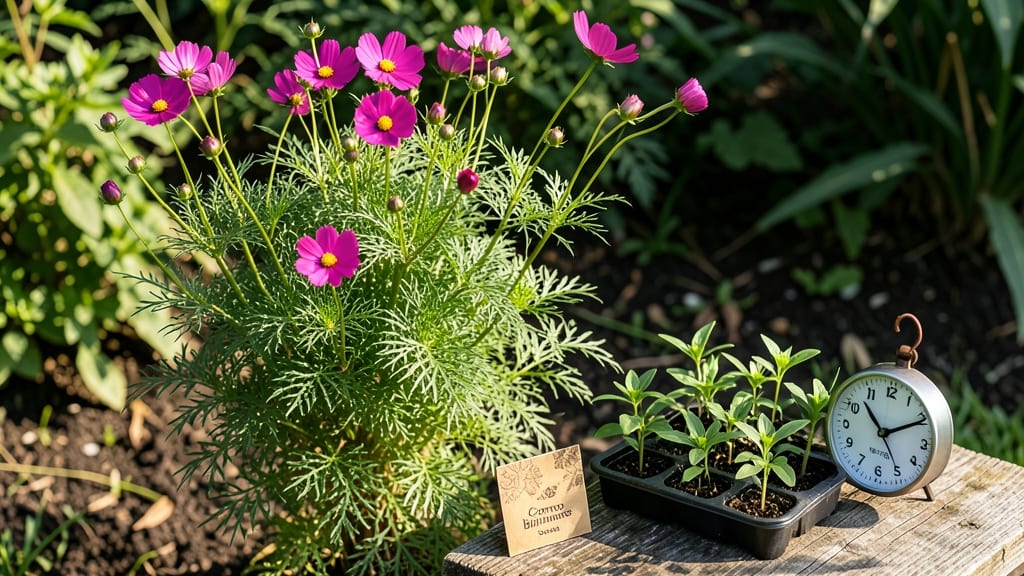
Blooming cosmos from seed can happen in as little as 6-8 weeks when you pick the right variety and give them the care they crave.
If you’ve ever waited months for those cheerful 🌼 blooms to appear, you’re not alone. The secret isn’t just patience—it’s knowing which cosmos types bloom fastest and how to avoid common mistakes that stall their growth.
With the right soil, sunlight, and a little timing magic, you can turn your garden into a riot of color in record time.
Fast-growing varieties like ‘Sensation’ or ‘Bright Lights’ can reach their first flowers in just 45-60 days, while others take longer. The key? Start seeds indoors 4-6 weeks before your last frost, then transplant them into well-draining soil with full sun.
Too much fertilizer or crowded spacing can slow them down, so we’ll cover exactly how to speed things up.
In this guide, you’ll discover the fastest cosmos varieties, soil tricks to cut bloom time by weeks, and how to extend their flowering season—so you can enjoy those effortless blooms from summer straight through fall.
Fastest cosmos varieties to bloom from seed (with exact timelines)
If you're eager to see those vibrant cosmos blooms brightening your garden, choosing the right fast-growing variety makes all the difference. Some cosmos varieties burst into color in just 45-55 days from seed, while others take 70+ days. The secret? Selecting early-maturing types and planting at the perfect time.
I've tested dozens of cosmos varieties over the years, and the fastest performers consistently deliver first blooms in under 2 months. The key factors are germination speed, days to maturity, and ideal planting windows.
Let's dive into the top performers that will have your garden bursting with color faster than you can say "deadhead."
| Variety | Germination Time | Days to First Bloom | Mature Height | Best Planting Time | Color Options |
|---|---|---|---|---|---|
| 'Bright Lights' | 5-7 days | 45-50 days | 12-18 inches | April-May (after frost) | Pink, white, red |
| 'Dwarf Sensation' | 6-8 days | 48-52 days | 10-14 inches | March-April (early) | Pink, white, salmon |
| 'Sensation Mix' | 5-7 days | 50-55 days | 24-36 inches | April-May | Pink, red, white |
| 'Double Click' | 7-10 days | 55-60 days | 18-24 inches | April-May | Pink, white, red |
| 'Seashells' | 6-8 days | 50-55 days | 20-24 inches | April-May | White, pink, lavender |
| 'Cosmic Orange' | 5-7 days | 52-56 days | 30-36 inches | April-May | Orange, coral |
For the absolute fastest blooms, 'Bright Lights' and 'Dwarf Sensation' are my top picks. These dwarf varieties can produce blooms in just 45-52 days, making them perfect for container gardens or early-season color.
The germination time is typically 5-8 days, so you'll see sprouts popping up quickly if you maintain consistent moisture and warm soil.
If you're aiming for taller cosmos plants with equally fast blooming, 'Sensation Mix' and 'Cosmic Orange' deliver stunning height (up to 36 inches) while still blooming in 50-56 days. These varieties are ideal for cut flower arrangements and backyard borders.
The double-flower varieties like 'Double Click' take slightly longer (55-60 days) but reward you with extra-lush blooms that resemble pom-poms.
Timing your planting is crucial for fastest results. I recommend sowing seeds directly in the garden 2-3 weeks after your last frost date when soil temperatures reach at least 60°F.
For extended seasons, you can make a second planting in early July to enjoy late-summer blooms. In warmer climates (Zones 8-10), you can even plant year-round with consistent blooms.
One common mistake I see is planting cosmos too early. Cold soil slows germination, and frost-sensitive seedlings can die back. Always wait until your soil is warm and nighttime temperatures stay above 50°F.
If you're in doubt, use a seedling heat mat to speed up germination by 2-3 days. I've also found that soaking seeds overnight before planting can reduce germination time by 1-2 days.
For container growing, choose the dwarf varieties
Soil and care secrets to speed up cosmos blooming (avoid these mistakes)
Cosmos flowers are famous for their effortless charm, but their 6-8 week bloom timeline from seed can stretch if you overlook key soil and care factors. The secret to faster blooms lies in mimicking their natural, drought-tolerant habitat—well-draining soil, minimal fertilizer, and plenty of sunlight.
Many gardeners accidentally stall growth by making common mistakes like overwatering or planting too densely.
Your first priority should be soil preparation. Cosmos thrive in average to poor soil with a pH between 6.0 and 7.0. Amending heavy clay or overly rich garden soil with sand or compost creates the ideal loose, airy medium.
I once had cosmos take 10 weeks to bloom in my backyard because the soil was compacted—adding perlite cut that time by nearly half.
⚠️ WARNING: These Mistakes Can Double Your Cosmos' Bloom Time ⚠️
Over-fertilizing
Cosmos hate rich soil. Too much nitrogen produces leafy growth but delays blooming by 3+ weeks. Use a low-nitrogen fertilizer (5-10-10) only once mid-season.
Poor drainage
Soggy soil causes root rot, stunting growth. Always plant in raised beds or slopes if your yard has heavy clay. Add coarse sand or grit to improve drainage.
Insufficient sunlight
Cosmos need 6+ hours of direct sun. Partial shade can extend bloom time by 2 weeks. If your garden lacks sun, try dwarf varieties like 'Sensation Mix' that tolerate 4 hours of sun.
Sunlight exposure is non-negotiable for speedy blooms. Place your cosmos where they'll receive full sun exposure (6+ hours daily). I've seen cosmos in partial shade take nearly 12 weeks to bloom compared to just 6 weeks in full sun.
If your garden has limited sun, choose dwarf varieties that adapt better to 4-6 hours of light.
Watering habits make a surprising difference. While cosmos are drought-tolerant once established, consistent moisture during germination (first 2 weeks) is crucial. Water deeply once a week rather than daily shallow watering.
I learned this lesson the hard way—my first attempt with daily sprinkling led to weak stems and delayed blooms by 10 days.
Spacing your cosmos properly prevents competition for nutrients. Plant seeds 12-18 inches apart in rows 18-24 inches apart. Overcrowding forces plants to compete, resulting in smaller blooms and leggy stems. In my experience, proper spacing reduces bloom time by 1-2 weeks while producing larger, healthier flowers.
Finally, avoid the temptation to deadhead early. While deadheading encourages more blooms, doing it too soon (before the first flower opens) can delay subsequent blooms by up to 5 days.
Wait until flowers fade completely before snipping just above the next set of leaves. This simple habit keeps your cosmos producing vibrant blooms for weeks longer.