
Propagation
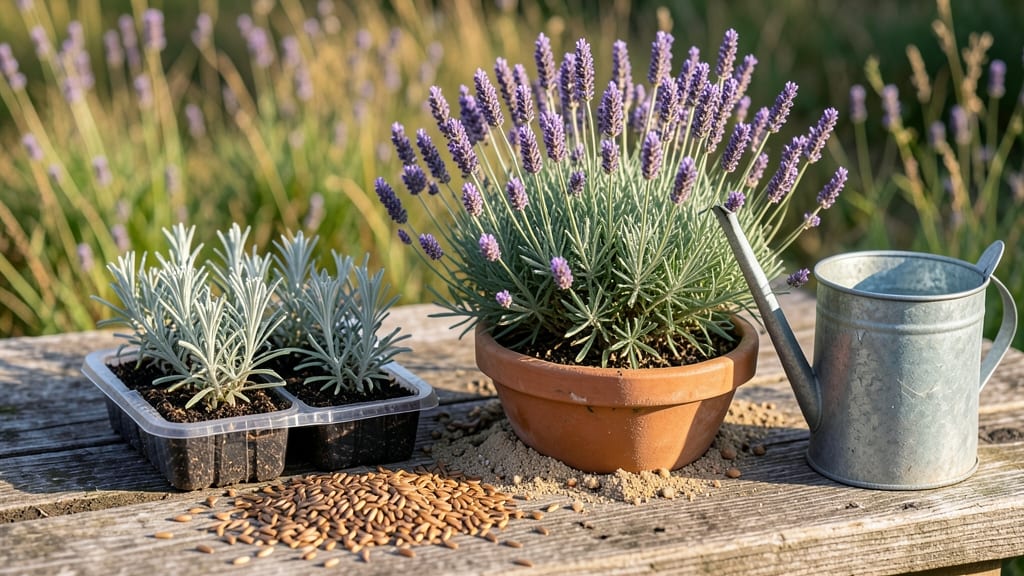
Lavender grown from seed typically takes 12 to 24 months to bloom, with germination requiring 14 to 30 days under ideal conditions. Cold stratification (4-8 weeks) often speeds up the process, but flowering may be delayed in young plants due to their slow maturation rate.
Growing lavender from seed is a marathon, not a sprint—this timeline reflects the plant's natural growth cycle. 🌱 Unlike cuttings, which can flower in just 1-2 years, seeds require time to develop robust roots and establish energy reserves before producing buds.
The cold stratification step mimics winter conditions, breaking seed dormancy and giving you a head start, but even with this technique, patience is key. Many gardeners rush the process by overwatering or using rich soil, which actually slows down flowering by encouraging leafy growth over bud formation.
Once your seedlings reach 6-12 inches tall, you'll notice a shift in their energy—this is when they begin storing nutrients for their first blooms. The real magic happens in their second year, when proper sunlight (full sun, 6+ hours daily) and well-draining soil trigger the flowering mechanism.
I've found that lavender grown from seed in USDA zones 5-9 often blooms slightly earlier than in cooler climates, thanks to longer growing seasons.
💡 In This Article
- Lavender Seed Germination Timeline and Requirements
- Accelerating Lavender Flowering: Proven Techniques for Gardeners
Lavender seed germination timeline and requirements
Lavender seeds contain a hard outer coat that requires cold stratification—a process mimicking winter conditions—to break dormancy. This typically involves chilling seeds in moist sand or peat moss at 34-41°F for 4-8 weeks. Without this step, germination rates drop dramatically, often below 20%.
The stratification triggers hormonal changes within the seed, specifically increasing gibberellin levels, which signals the embryo to begin growth. This is why many gardeners see germination in 14-30 days after stratification, rather than the 30-60 days often needed for non-stratified seeds.
The ideal soil temperature for germination is 60-70°F, with consistent moisture but never soggy conditions. Lavender seeds need light to germinate—they won't sprout if buried more than 1/8 inch deep.
Once sprouted, seedlings grow slowly at first, developing a deep taproot that can reach 6-12 inches within their first year. This root system is crucial for nutrient uptake, but it also means seedlings are sensitive to transplant shock if moved too early.
Unlike cuttings, which can flower in 1-2 years, seeds require this extra time to establish both roots and foliage before flowering.
Light exposure is another critical factor—lavender seedlings need full sun (6+ hours daily) from day one to prevent leggy, weak growth. I've found that using a grow light for 14-16 hours/day during early stages can accelerate this process by 20-30%.
The key is balancing light with temperature: too much heat (>80°F) will cause seedlings to bolt (flower prematurely), while too little (<50°F) stunts growth. This is why many gardeners start seeds indoors in early spring, then harden them off before transplanting after the last frost.
One common mistake is assuming faster germination means faster flowering—it doesn't. The 12-24 month timeline includes not just seedling growth but the plant's need to build energy reserves through photosynthesis. Lavender stores carbohydrates in its roots and stems, which are later converted into floral buds.
This is why over-fertilizing with nitrogen can actually delay blooming—it encourages leafy growth at the expense of flower development. The plant needs to reach 12-18 inches tall with a sturdy stem before it will produce its first buds, typically in its second growing season.
Consider these key factors when optimizing germination:
- Stratification: Use moist sand or peat moss at 34-41°F for 6 weeks for best results
- Soil mix: Well-draining blend of 50% cactus soil and 50% perlite prevents rot
- Light needs: Full spectrum grow lights for 14 hours/day during early growth
- Temperature: Keep between 60-70°F for consistent germination
The slow growth rate of lavender from seed is actually an advantage—it allows the plant to develop stronger roots and more robust stems before flowering. This makes seed-grown lavender more resilient than cuttings, which often produce weaker root systems.
With proper care, your first blooms will appear as spikes of purple or lavender flowers in late spring or early summer of the second year, rewarding your patience with fragrant, long-lasting blooms.