
Blooming
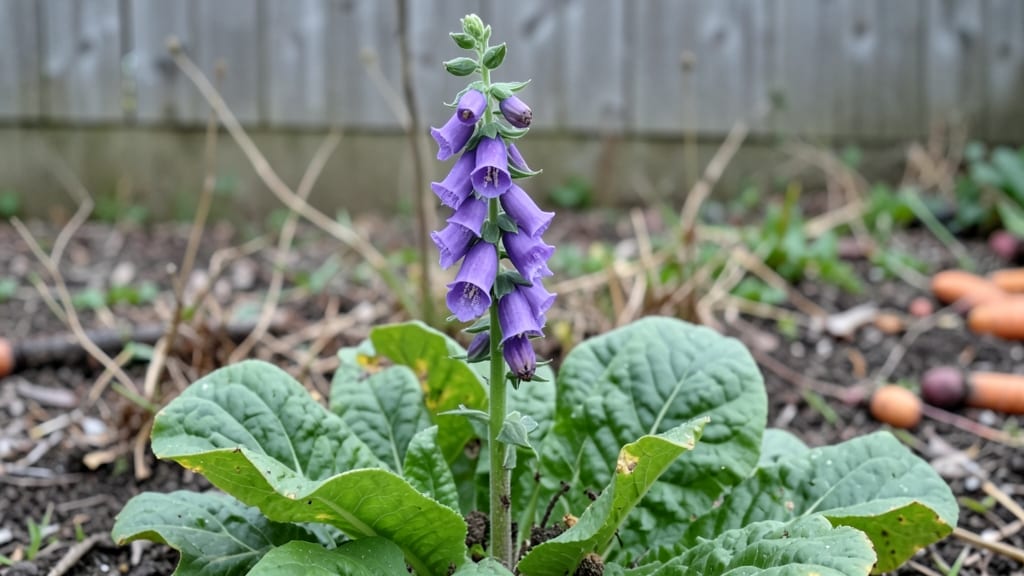
Foxgloves bloom once per year, typically in late spring to early summer, with flowers lasting 4-6 weeks. Biennial varieties produce their first bloom in their second year, while perennial types may flower sporadically after the initial bloom period.
Understanding foxglove blooming habits depends on the specific variety you're growing. Biennials like the classic Digitalis purpurea focus their energy on flowering during their second year, then die back—this is why gardeners often replant them every couple of years.
Perennials, though, can surprise you with sporadic blooms after their initial show, especially if you provide rich, well-draining soil and avoid overcrowding. The key difference lies in their root systems and energy reserves, which determine whether they'll stage a grand performance or fade after their first big display. 🌿
Climate plays a huge role too—cooler northern regions often see more reliable blooms because foxgloves thrive in USDA Zones 4-8, where they get proper winter dormancy. In warmer areas, they might struggle to rebloom consistently unless you mimic their natural conditions with partial shade and consistent moisture.
I've found that cutting back dead flower spikes after blooming (but before seeds form) can sometimes coax a second, smaller flush of flowers from perennials—though don't expect miracles from biennials after their first year. 🌸
💡 In This Article
- Foxglove Flowering Cycle: Annual vs Perennial Bloom Patterns
- Tips to Encourage Repeat Foxglove Blooms
Foxglove flowering cycle: annual vs perennial bloom patterns
Foxgloves follow two distinct life cycle patterns that dramatically affect their blooming habits. Biennial varieties like Digitalis purpurea (common foxglove) store energy in their first year through leaf growth, then devote all resources to a single 6-8 week flowering period in their second year.
This is their one chance to reproduce before the plant dies back—nature's way of ensuring maximum seed production when conditions are optimal. 🌱 Perennial foxgloves, however, develop deeper root systems that allow them to store energy long-term, potentially blooming every 2-3 years if conditions remain favorable.
The key difference lies in their root structures: biennials develop shallow, fibrous roots that can't sustain multiple blooms, while perennials grow a taproot system that can store more nutrients.
This explains why you'll often see biennials flowering dramatically one year, then disappearing completely, while perennials might produce smaller, sporadic blooms in subsequent years.
In my own garden, I've noticed that perennial foxgloves in USDA Zone 5 will sometimes produce a second, smaller bloom cycle if given proper care after their initial display.
Climate plays a crucial role in these patterns. Foxgloves thrive in cooler temperatures (60-75°F during growth) and need a period of winter dormancy to reset their biological clocks.
In warmer regions (Zone 8+), the lack of proper winter chill can prevent biennials from flowering at all, while perennials may struggle to develop sufficient energy reserves.
This is why many gardeners in southern climates treat foxgloves as annuals—they simply don't get the environmental cues needed for reliable blooming. 🌡️ The 10-12 week growth period before flowering is particularly sensitive to temperature fluctuations, which can delay or prevent blooming entirely.
What most gardeners don't realize is how foxgloves allocate their energy. During the vegetative stage, they prioritize leaf growth to build up carbohydrates through photosynthesis. Once they reach maturity (about 18-24 inches tall), they shift all resources to flower production.
This energy shift explains why foxgloves often look ragged after blooming—they've essentially "spent" their stored energy on reproduction. Perennials can recover better because their taproots continue storing nutrients, while biennials have no such recovery mechanism.
Regional variations create interesting patterns too. In Pacific Northwest gardens, foxgloves often bloom 2-3 weeks earlier than in the Midwest due to cooler spring temperatures. Meanwhile, in Appalachian mountain regions, the high elevation and shorter growing season can delay blooming until early summer.
This regional timing affects when gardeners should expect their first (and potentially only) foxglove display each year. 🌄 The 4-6 week bloom window is also influenced by local humidity levels—drier climates tend to shorten the flowering period while more humid areas can extend it slightly.
Here's what actually happens at the cellular level: Foxglove flowers contain stamens with protruding anthers that release pollen in a way that attracts pollinators while protecting the plant's own reproductive structures.
This specialized flower morphology means each bloom only lasts 5-7 days before wilting, which is why you see the entire flower spike open sequentially over 3-4 weeks.
The plant's entire reproductive strategy revolves around this single bloom period, which is why biennials make such a dramatic display before dying—it's their one chance to ensure species survival. 🌸