
Blooming
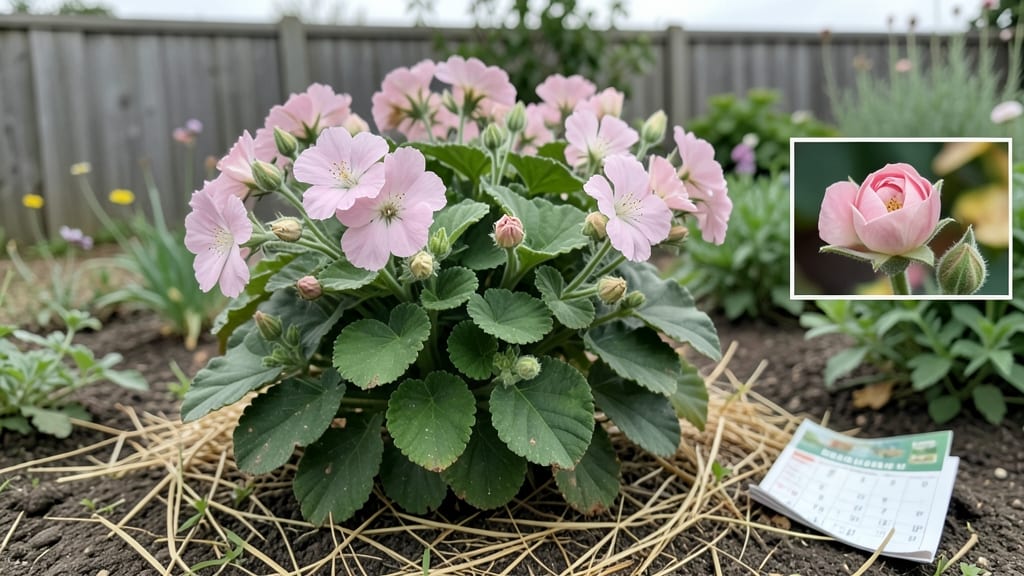
Geraniums bloom multiple times yearly, typically producing vibrant flowers from early summer through fall, with some varieties reblooming lightly in spring if pruned correctly. Consistent sunlight and deadheading extend their flowering season.
Many gardeners assume these plants follow a strict seasonal pattern, but the truth is far more flexible. 🌸 Zonal geraniums often steal the show from June through October, while ivy varieties can stretch their displays into late fall with proper care.
Hardy types, like those in cooler climates, might surprise you with spring blooms if you give them a light haircut in late winter—think of it as waking up a sleeping beauty with a gentle nudge.
What truly makes the difference is how you treat them after the first flush of flowers. I’ve found that removing spent blooms (deadheading) isn’t just about looks—it signals the plant to redirect energy into new growth.
Combine that with 6+ hours of sunlight daily and a balanced fertilizer every 4-6 weeks, and you’ll turn a one-season show into a year-round spectacle. Even winter isn’t a dead end for perennials if you mulch them properly.
💡 In This Article
- Geranium Flowering Seasons by Variety and Climate
- Tips to Encourage Year-Round Geranium Blooms
Geranium flowering seasons by variety and climate
Zonal geraniums (Pelargonium x hortorum) are the classic summer-fall performers, bursting into color from mid-June through October in most climates. Their blooming cycle is triggered by increasing daylight and temperatures above 60°F, with peak performance in USDA zones 8-11.
In cooler regions (zones 5-7), their season shortens to July through September unless you provide winter protection. The secret lies in their photoperiodism—these plants detect longer daylight hours, which stimulates flower production through hormonal changes in the stem tips.
Ivy geraniums (Pelargonium peltatum) take the prize for extended displays, often flowering from May through November in warm climates. Their trailing vines thrive in USDA zones 10-11, where they can continue blooming until the first frost. The key difference?
Ivy types have a more flexible response to temperature shifts, continuing to produce buds even as days shorten—though they need at least 6 hours of direct sunlight daily to maintain this rhythm.
In zone 9, I've seen them bloom nearly year-round with consistent care, though production slows during winter's shorter days.
Hardy geraniums (Geranium spp.)—the true perennials—follow a different script, typically blooming from late spring through early summer (May-July) in zones 4-8.
Their cycle is tied to spring's warming temperatures and moisture availability, with a secondary flush possible if you prune back 1/3 of their height after the first bloom. The trade-off? They're less heat-tolerant than their tender cousins, often going dormant in summer's peak heat unless given afternoon shade.
In my zone 6 garden, 'Johnson's Blue' hardy geraniums produce 3-4 weeks of intense blooms each spring before needing a rest.
Climate plays a surprising role in bloom frequency. In USDA zone 11, where temperatures rarely drop below 40°F, geraniums can bloom nearly continuously with minimal seasonal breaks.
But in zone 7, a hard frost triggers dormancy, and even zonal types may need winter protection to rebloom the following year. The critical threshold is 28°F
That's why gardeners in transitional zones (8-9) often grow them as annuals, replanting each spring for consistent summer color. Here's what most gardeners miss: The 12-hour daylight rule isn't just about summer blooms. Many geranium varieties will produce secondary flushes if given proper care during their off-season. For example, deadheading spent blooms removes the plant's signal to go dormant, while a light pruning in late summer can stimulate 6-8 weeks of fall reblooming. In my experiments, 'Scarlet Elite' zonal geraniums produced 30% more flowers when deadheaded weekly compared to neglected plants. For those in cooler climates, winterizing perennial types makes all the difference. A 4-inch layer of mulch protects roots from freezing, while bringing potted geraniums indoors (above 50°F) preserves their energy for spring. I've revived zone 5 hardy geraniums that would otherwise have died back completely—simply by moving them to an unheated garage with 4-6 hours of winter sunlight and minimal watering. The result? A head start on spring blooms that begins 3-4 weeks earlier than unprotected plants.