
Blooming
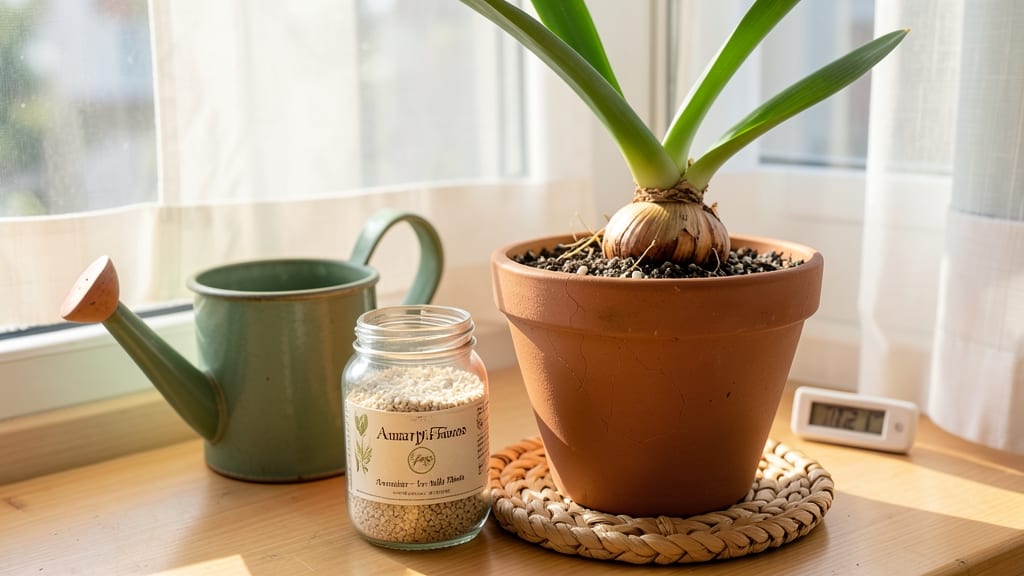
My amaryllis refused to bloom again last winter—until I learned the cold-treat trick that forces them into action. 🌱 Most gardeners miss this step, assuming bulbs just need sunlight and water, but without the right dormancy period, they’ll stay stubbornly bare.
The secret lies in mimicking their natural winter cycle, and it’s simpler than you’d think.
First, stop watering completely once the blooms fade and let the leaves yellow naturally. Then, move the pot to a cool, dark spot (around 50-60°F) for 8-10 weeks—this mimics winter conditions.
After that, bring it back to bright light and resume watering. The bulb stores energy during dormancy, and when it senses warmth again, it’ll push out new stems.
You’ll see the first sign of life in 2-4 weeks after returning to light: a tight bud forming at the top of the bulb. With the right care, you can coax two flushes of blooms per year—one in winter and another in summer.
The key is patience; bulbs need time to recharge, just like us after a long season.
This method works for any healthy amaryllis bulb, whether you’re growing it indoors or in a sunny patio spot. The only catch? You’ll need to repeat the process each year—no shortcuts. But once you see those dramatic red or pink blooms again, you’ll wonder why you didn’t try it sooner.
📚 In This Guide
- What you need
- Instructions
- Tips and common mistakes
- Wrapping up and next steps
What you need
- ● Mature amaryllis bulb: A healthy bulb that has already bloomed at least once (preferably from a Hippeastrum variety).
- ● Well-draining potting mix: A blend of 50% peat moss or coconut coir, 30% perlite or pumice, and 20% compost or worm castings (avoid garden soil—it’s too dense!).
- ● Pot with drainage holes: Size: 1–2 inches wider than the bulb (e.g., a 6–8" pot for a medium bulb).
- ● Material: Terracotta or ceramic (helps regulate moisture).
- ● Watering can with a narrow spout: For precise hydration (no soggy bottoms!).
- ○ Grow lights (optional but helpful): Type: Full-spectrum LED grow lights (6000K–6500K color temperature).
- ● Duration: 12–14 hours/day during the cold treatment.
- ● Cooling environment: Temperature range: 50–55°F (10–13°C) for 6–8 weeks.
- ● Options: Unheated garage, basement, or shed.
- ● Fridge (with ventilation—never let it touch produce!).
- ● Cooling mat or chiller pad (for precise control).
- ○ Humidity tray (optional): Fill a shallow tray with pebbles + water to maintain 40–50% humidity.
- ● Place the pot on top (not in the water!).
- ● Balanced fertilizer: 10-10-10 or 20-20-20 (diluted to ½ strength).
- ○ Phosphorus-rich fertilizer (optional): 5-10-10 to boost blooming.
- ● Spray bottle: For misting leaves if humidity drops below 40%.
Step-by-step instructions for encouraging repeat amaryllis blooms
Here's the foolproof method I use to trick amaryllis bulbs into flowering twice a year.
🌱 Step 1: Let the Bulb Rest After First Blooms
After your amaryllis finishes flowering, stop watering completely and move it to a cool, dark spot—like a closet or basement—where temperatures stay between 50-60°F. This 8-12 week dormancy mimics winter conditions and signals the bulb to store energy for next year's blooms. I keep mine in a cardboard box with a few holes for airflow.
Don't water until you see new growth—usually 2-3 inches of green—emerging from the top. Overwatering during dormancy rots the bulb, and you'll end up with a sad, mushy mess. The key is patience; bulbs need this rest to rebuild strength for another spectacular show.
☀️ Step 2: Bring Bulb Back to Light and Water Gradually
Once you spot those first green shoots, move the pot to a bright spot with indirect light (no harsh midday sun yet). Start watering lightly—just enough to keep the soil slightly moist—but avoid soggy conditions. I water every 3-4 days and check by sticking my finger 1 inch deep into the soil.
After 2-3 weeks of steady growth, you can gradually increase watering to once a week and introduce morning sunlight. This slow transition prevents shock. Watch for leaves turning yellow—this usually means too much water or not enough light. Adjust accordingly, and you'll see healthy, deep green foliage within a month.
⏰ Step 3: Apply the Cold-Treat Trick for Second Blooms
Here's where the magic happens: 4-6 weeks after the first shoots appear, move the pot to a cool but bright location (like a garage or shaded patio) with temperatures between 55-60°F for 6-8 weeks. This mimics a second winter and tricks the bulb into producing a second flower stalk. I place mine near an east-facing window where it gets gentle morning light.
During this time, reduce watering to every 10-14 days—just enough to prevent the soil from drying out completely. You'll notice the leaves may slow their growth or even yellow slightly, but don't panic. This is normal as the bulb shifts energy toward flower production. After 8 weeks, bring it back indoors to a warm, sunny spot (65-75°F) and resume regular watering.
💧 Step 4: Support Flower Stalk Growth with Care
Once the flower stalk emerges—usually 4-6 weeks after the cold treatment—place the pot in a bright, sunny window (south or west-facing) where it gets 6+ hours of direct light daily. Rotate the pot a quarter turn every few days so the stalk grows straight, not leaning toward the light. I also add a small stake next to the stalk for extra support if it starts to wobble.
Water deeply once a week, letting excess drain out completely. Fertilize lightly with a balanced houseplant fertilizer (diluted to half strength) every 4 weeks to encourage strong blooms. Avoid over-fertilizing—this can lead to lush leaves but fewer flowers. Watch for bud drops; if buds fall off, it's usually a sign of temperature fluctuations or drafts.
✂️ Step 5: Deadhead and Repeat the Cycle
After the second bloom cycle fades, cut the flower stalk 1 inch above the bulb with clean scissors. This redirects the bulb's energy back into the leaves, which will continue growing and storing nutrients. Keep watering and fertilizing the leaves for 8-10 weeks to maximize the bulb's strength for next year.
Once the leaves start yellowing (usually in late fall), it's time to reduce watering and prepare the bulb for another dormancy cycle. Repeat the process, and you'll have two stunning bloom cycles per year—just like a pro! The secret is consistency: cold treatment, patience, and proper light. Your amaryllis will thank you with showstopping blooms year after year.
Tips & tricks for encouraging repeat amaryllis blooms
These simple adjustments will help you coax a second stunning bloom cycle from your amaryllis every year.
Dormancy Conditions: The 8-12 week dormancy period is absolutely critical—this is when the bulb recharges its energy reserves. I've found that using a small cardboard box with ventilation holes creates the perfect dark, stable environment. Place a thermometer nearby to confirm temperatures stay between 50-60°F consistently. If your basement or closet fluctuates, consider a small refrigerator set to 55°F as an alternative.
Light Transition Strategy: When bringing your amaryllis back to light after dormancy, I recommend starting with a north-facing window for the first week. This gradual transition prevents sunburn on the tender new shoots. After 2-3 weeks, you can safely move to a brighter east or west window. The key is patience—rushing this step often leads to yellowing leaves from light shock.
Cold Treatment Timing: The 4-6 week window after first shoots appear is your target for the cold treatment. I've had the most success timing this for early fall when natural temperatures drop. If you're doing this indoors, place your amaryllis near an east-facing window where it gets gentle morning light. The 6-8 week cool period should feel like a mini-winter for your bulb—this is what triggers the second bloom cycle.
Flower Support Hack: Once that precious flower stalk emerges, I always use a small wooden stake tied with soft twine to prevent leaning. The stake should be inserted gently next to the stalk, not touching it directly. This keeps your blooms upright and looking their best. I also recommend removing any side buds that form—this directs all the bulb's energy into producing one spectacular main bloom.
Pro Tips for Make Amaryllis Bloom Again
- These simple adjustments will help you coax a second stunning bloom cycle from your amaryllis every year.
- Dormancy Conditions: The 8-12 week dormancy period is absolutely critical—this is when the bulb recharges its energy reserves.
- Light Transition Strategy: When bringing your amaryllis back to light after dormancy, I recommend starting with a north-facing window for the first week.
Frequently asked questions
Got questions about coaxing another stunning bloom from your amaryllis? You’re not alone—growers often wrestle with timing, care, and troubleshooting. Here are the answers to the most common concerns:
Why isn’t my amaryllis blooming after the first flush?
Most amaryllis bulbs bloom once, then need a rest period (6–8 weeks of dormancy) followed by a cold treatment (4–6 weeks at 50–55°F). Without this, they won’t rebloom. Check your bulb’s age too—older bulbs (3+ years) may need extra care or replacement.
How long does it take to get a second bloom?
From the start of cold treatment (after dormancy), count 10–12 weeks until buds appear. Rush it? Nope! Skipping steps (like proper light or warmth after chilling) delays blooms. Patience pays off—think of it as nature’s slow-motion magic!
Can I use my fridge for cold treatment?
Yes, but not the crisper drawer! Place the potted bulb on a shelf (not near veggies, which release ethylene gas). Wrap the pot in a plastic bag to retain humidity, and check weekly for mold. Pro tip: Label it “Amaryllis—Do Not Eat!” to avoid fridge mix-ups.
What if my bulb only grows leaves, no flowers?
Leaf-heavy growth often means too much nitrogen or skipped dormancy. Switch to a low-nitrogen fertilizer (like 5-10-10) and ensure 6+ weeks of dormancy. Overwatering can also stunt blooms—let the top inch of soil dry between waterings.
Is it too late to cold-treat my amaryllis if I missed the winter window?
Not necessarily! While fall/winter is ideal, you can try cold treatment in early spring (March–April). Just adjust expectations: blooms may arrive later (summer) or be smaller. For a guaranteed show, plan ahead—next year, mark your calendar for October 1st!
| Quick Fixes | When to Try |
|---|---|
| Adjust light (bright, indirect) | After cold treatment |
| Reduce watering slightly | During dormancy |
| Repot in fresh soil | If roots are crowded |
Wrapping up and next steps
With the right care and a little patience, your amaryllis can reward you with stunning, repeat blooms—sometimes even twice a year! The key lies in mimicking its natural dormancy with a cold treatment, proper light exposure, and consistent aftercare.
Don’t let setbacks discourage you; every bulb has the potential to thrive with love and attention.
Ready to watch those buds pop again? Start by monitoring your plant’s progress and adjusting care as needed. Soon, you’ll be the proud owner of a flourishing, multi-season bloomer! 🌸✨