
Blooming
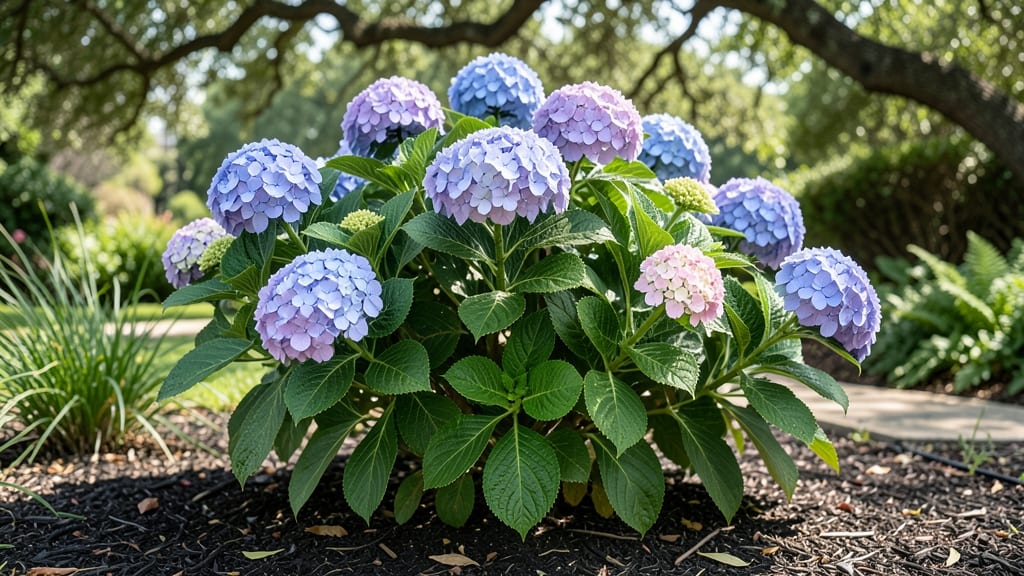
Hydrangeas bloom in mid-to-late summer 🌸, but the exact timing depends on your variety and USDA zone — and getting it right means the difference between a garden bursting with color and one that feels like it’s always playing catch-up.
If your hydrangeas are blooming weeks late (or not at all), you’re not alone. The problem often boils down to climate mismatches, pruning mistakes, or soil that’s just not quite right.
For example, Bigleaf hydrangeas in Zone 6a typically peak in July, while Oakleaf varieties might stretch their show into September—but only if you’ve given them the right care.
In this guide, I’ll break down the bloom windows for the most popular hydrangea types, how your local climate shifts those timelines, and the simple adjustments you can make to coax earlier, bigger, and longer-lasting blooms—no guesswork required.
You’ll also find out how to troubleshoot delayed blooms, from checking your pruning habits to tweaking sunlight and soil pH, so you can finally enjoy that dreamy hydrangea display you’ve been waiting for.
Hydrangea bloom time by variety and USDA climate zones
If you've ever wondered why your hydrangeas bloom at different times—or not at all—it likely comes down to two key factors: the specific variety you're growing and your USDA climate zone. Some hydrangeas burst into color in early summer, while others wait until late summer or even fall.
Understanding these patterns lets you plan your garden's color timeline like a pro and troubleshoot delays. Let’s break down when each major type blooms across zones 3 through 10, so you can match your expectations with reality.
For example, Bigleaf hydrangeas (like 'Endless Summer') often bloom on old wood formed the previous year, while Panicle hydrangeas (such as 'Limelight') bloom on new wood each season. This difference means their bloom times—and pruning needs—are completely opposite.
Oakleaf hydrangeas, meanwhile, offer a longer bloom window with stunning fall foliage, but their timing shifts dramatically between cooler and warmer zones. Let’s dive into the specifics so you can align your care routine with your hydrangea’s natural rhythm.
🌿
Notice how Panicle hydrangeas like 'Limelight' thrive in warmer zones (9-10), blooming as late as November, while in cooler zones (3-5), they wrap up by September. This shift happens because longer growing seasons in warmer climates allow more time for new wood to develop and flower.
Conversely, Bigleaf hydrangeas in zone 3 might only put on a 4-week show, while their zone 10 counterparts enjoy 5 months of blooms.
If you’re in zone 6, you can strategically plant early bloomers like Oakleaf alongside late bloomers like Panicle to create a continuous color display from May through October.
Another critical factor is temperature thresholds. Most hydrangeas need consistent daytime temps above 60°F (15°C) to trigger blooming, but heatwaves above 90°F (32°C) can stress them and delay flowers. In zone 9-10, where summers are long and hot, shade cloth or afternoon shade can help prevent bud drop.
Meanwhile, in zone 3-5, cooler springs might push bloom times back until July or August, so don’t panic if your plants seem late—they’re just waiting for the right cue.
For reblooming varieties like 'Endless Summer', your pruning timing directly impacts bloom windows. If you
How to extend your hydrangea bloom season with pruning
Pruning hydrangeas isn’t just about keeping them tidy—it’s the secret weapon for extending your bloom season by weeks. When done right, strategic pruning can push blooms earlier in spring and keep them producing well into fall.
The key? Understanding when and how to prune based on your hydrangea’s variety and bloom type.
Most gardeners make the mistake of pruning at the wrong time, which can delay blooms or even prevent them entirely. For example, Bigleaf hydrangeas (like 'Endless Summer') need a different approach than Panicle hydrangeas (like 'Limelight').
Let’s break down the timing and techniques that will transform your hydrangeas into long-blooming stars.
Prune reblooming varieties (like 'Endless Summer') in late winter/early spring to encourage earlier blooms. For once-blooming types (like 'Annabelle'), prune right after flowering to avoid cutting off next year’s buds. Deadhead spent blooms throughout summer to trigger continuous reblooming.
Start with late winter pruning (February-March) for spring-flowering hydrangeas. This is when your plant is still dormant, making it easier to see the branch structure. Remove dead or weak stems first—these won’t produce blooms and can drain energy from healthy growth.
Then, cut back last year’s blooms by about one-third to encourage new, vigorous growth.
For reblooming varieties, switch to summer pruning after the first flush of flowers. This is where deadheading (removing faded blooms) becomes your best friend.
Snip off spent flower heads down to the first set of healthy leaves—this signals the plant to redirect energy into producing new blooms for a second round. I’ve seen 'Nikko Blue' hydrangeas go from a single summer burst to three waves of color just by deadheading!
Timing is everything—prune too early, and you’ll miss the bloom window. Too late, and you risk damaging next year’s buds. Always prune once the danger of frost has passed in your USDA zone.
In Zone 5, that’s usually mid-April; in Zone 9, it’s February. Use sharp, clean pruners and make cuts at a 45-degree angle just above a leaf node to promote faster healing.
Don’t forget to feed and water after pruning. Hydrangeas need balanced fertilizer (like 10-10-10) to recover and deep watering to establish new roots. I like to add mulch around the base to retain moisture and protect roots from temperature swings.
With this approach, my 'Limelight' panicle hydrangea now blooms from June through October—a full four-month extension!
Extend your hydrangea’s bloom season by mastering these pruning secrets. Start with late winter cuts, deadhead throughout summer, and feed regularly. Your garden will thank you with vibrant, long-lasting blooms that keep neighbors asking for your green thumb secrets. 🌸