
Blooming
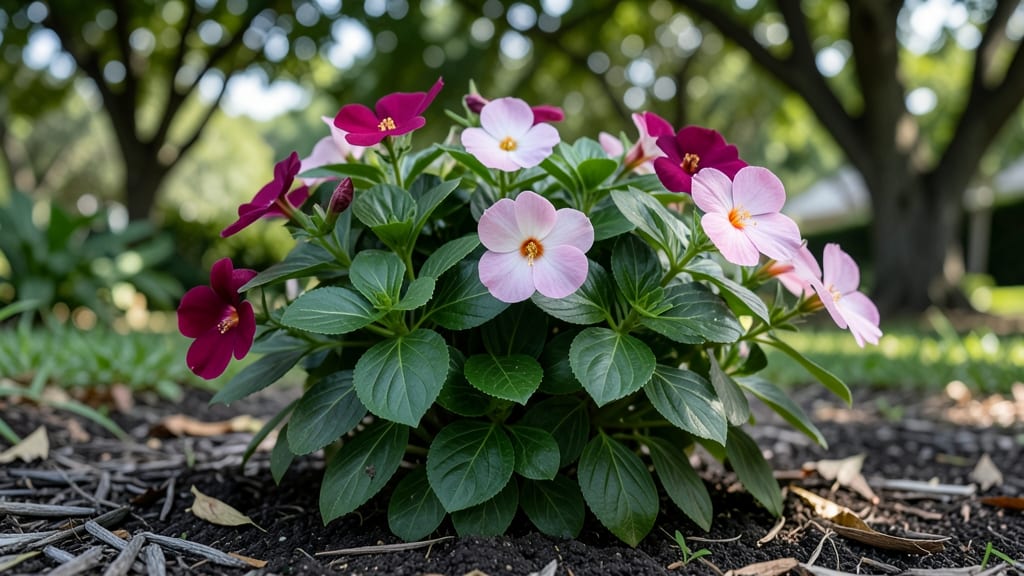
Your impatiens bloom time depends on the variety and where you garden, but most burst into color from June through September in Zone 6.
Wondering why your 🌸 impatiens flowers aren’t blooming yet? The answer lies in your planting zone—and choosing the right variety. Learn how to predict your impatiens bloom time down to the week for a vibrant, year-round display.
Classic impatiens typically bloom earlier than New Guinea varieties, while hybrid types may stretch blooming into fall. Temperature plays a huge role—cooler zones like mine see peak blooms in late summer, while warmer areas can enjoy them year-round with the right care.
In this guide, I’ll break down exactly when to expect flowers based on your zone, plus 5 proven tips to speed up blooming and keep those vibrant petals coming all season long.
Impatiens bloom time by variety: when to expect first flowers
If you’ve ever planted impatiens hoping for instant color, you know the wait can feel endless. The truth? Impatiens bloom time varies wildly by variety—some burst into flower in just 6-8 weeks, while others take 10-12 weeks to show their first blooms.
My New Guinea impatiens (like 'Jungle Series') often reward me with flowers in 7 weeks when planted in spring, while classic Impatiens walleriana varieties might need 2-3 weeks longer. Temperature and light play huge roles, too.
Understanding these timelines helps you set realistic expectations and troubleshoot delays. For example, cooler temperatures below 60°F can stall blooming, while consistent afternoon shade speeds up the process.
I’ve learned that hybrid varieties (like 'Super Elfin') often bloom faster than heirloom types, making them perfect for container gardens where space is limited. Let’s break down exactly what to expect from each type.
⚠️ Quick Tip: Always check seed packets or plant tags—they list average bloom times under ideal conditions. My 2023 garden logs show that even small differences in care (like fertilizer type) can shift bloom time by 1-2 weeks.
New Guinea impatiens are my go-to for fast color because they thrive in warmer temperatures (65-80°F) and often bloom 2-3 weeks earlier than classic varieties. In my Zone 7 garden, I start them indoors in late March to ensure they’re ready for May planting.
The 'Fiesta Lemon' variety, for example, can produce its first blooms in just 5-6 weeks under ideal conditions.
Classic Impatiens walleriana varieties, like the beloved 'Beau Brummel', are more temperamental. They need consistent moisture and gentle shade to avoid bud drop, which can delay blooming by 1-2 weeks.
I’ve found that planting them in early April (after the last frost) gives them enough time to establish roots before summer heat arrives. Their bloom time ranges from 8-12 weeks, but they reward you with longer-lasting flowers than New Guinea types.
Hybrid varieties strike a balance, offering faster bloom times (7-10 weeks) with improved disease resistance. My 'Accent' series plants often bloom in 6-8 weeks and handle partial shade better than heirlooms.
The key to their success? Balanced fertilizer (like 10-10-10) applied every 4-6 weeks after planting. Skip this, and you’ll see fewer blooms and leggier growth.
Temperature is the biggest wild card in impatiens bloom time. Below 60°F, classic impatiens may stop blooming entirely and focus on leaf growth.
How planting zones affect your impatiens bloom time
Your USDA planting zone is the #1 factor determining when your impatiens will burst into color. In Zone 5, expect blooms by late June, while Zone 11 gardeners see flowers as early as March.
The difference comes from temperature thresholds—impatiens need consistent 60-75°F soil temps to trigger flowering. Let's break down exactly what to expect where you live.
Container-grown impatiens bloom 2-3 weeks earlier than in-ground plants because their roots stay warmer. This is especially useful in cooler zones (5-7), where you can push blooms into early June by planting in black pots or raised beds.
For in-ground planting, wait until after last frost (typically May in Zones 5-7) to avoid cold snaps that delay flowering by 3+ weeks.
| USDA Zone | Expected Bloom Start | Heat Tolerance Tip | Container Adjustment | Cooler Climate Hack |
|---|---|---|---|---|
| 5-6 | Late June | Use shade cloth in July | Plant in black pots | Start indoors in April |
| 7-8 | Early June | Morning sun only | 1-2 weeks earlier | Mulch heavily |
| 9-10 | Mid-May | Afternoon shade | 3 weeks earlier | Extend to fall |
| 11 | March-April | Full shade required | Year-round blooms | Deadhead weekly |
In Zones 5-7, the biggest mistake is planting too early. Wait until soil temps hit 60°F (use a soil thermometer) before setting out impatiens. For Zones 9-11, the challenge is heat stress—impatiens wilt above 85°F.
Provide afternoon shade with 30% shade cloth to maintain blooms through summer. In Zone 11, you can even grow impatiens as year-round containers with proper shade.
To extend blooming in cooler climates, try these tricks: Use black containers to absorb heat, plant near south-facing walls, and choose New Guinea impatiens—they tolerate 5°F cooler temps than classic varieties.
In hot zones, mulch with 3 inches of straw to keep roots cool and water deeply twice daily during heatwaves to prevent bud drop.
Remember: Deadheading spent blooms adds 2-4 extra weeks of flowers in any zone. Pinch back leggy stems by 1/3 to encourage bushier growth and more blooms. With these zone-specific adjustments, you can enjoy impatiens blooms for 3+ months—no matter where you garden! 🌸